

Ever open the fridge on a busy weekday and grab whatever is easiest—only to regret it later? That’s where meal prepping comes in. With a little planning, you can set yourself up for a full week of balanced, satisfying diet meals that save time, money, and stress. No complicated routines. No boring food. Just smart prep that actually fits real life.
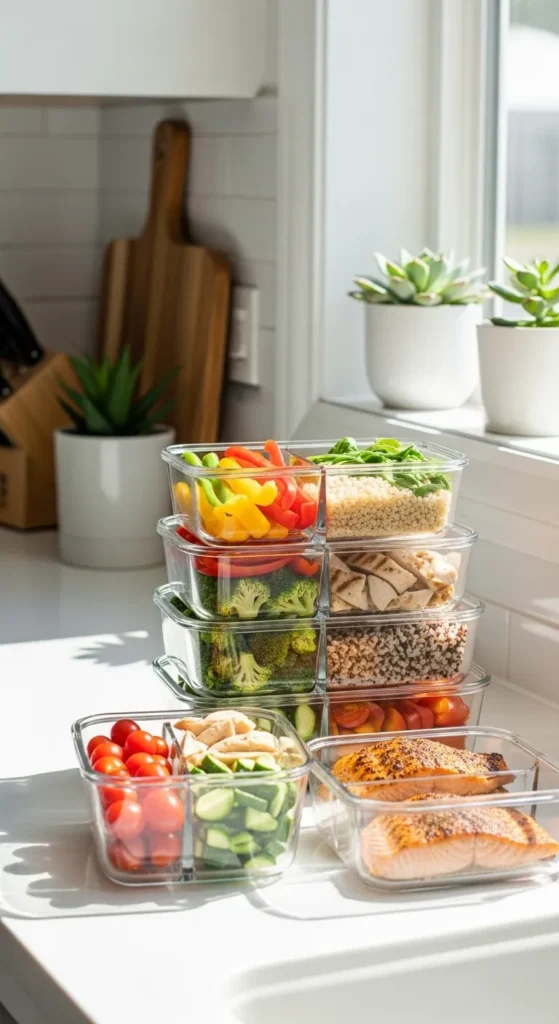
Why Weekly Meal Prep Makes Dieting Easier
Meal prepping isn’t about eating the same thing every day. It’s about removing daily decision fatigue so healthy choices feel automatic.
When you prep in advance, you:
- Avoid last-minute takeout
- Control portions without measuring every meal
- Stay consistent even on busy days
- Save hours during the week
Think of it as setting up your future self for success—one container at a time.
Step 1: Plan Simple, Mix-and-Match Meals
Start with meals that share ingredients. This keeps shopping and cooking efficient while still giving you variety.
Aim for:
- 2–3 proteins (grilled chicken, baked fish, beans, eggs)
- 2 grains or starches (rice, quinoa, sweet potatoes)
- 3–4 vegetables (roasted, steamed, or fresh)
- 1–2 sauces or dressings for flavor variety
You can mix these differently each day so meals never feel repetitive.
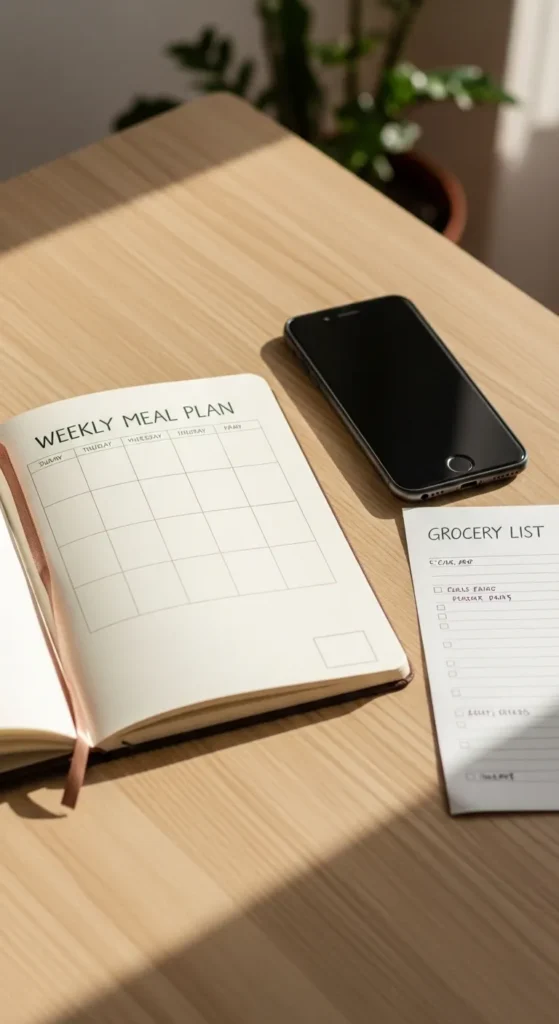
Step 2: Shop With Intention (and Don’t Overbuy)
Once your plan is set, write a focused grocery list. Stick to whole, familiar ingredients that cook well in batches.
Helpful shopping tips:
- Buy frozen vegetables for backup and convenience
- Choose lean proteins that reheat well
- Pick produce that stays fresh longer (carrots, bell peppers, broccoli)
Shopping with a plan saves time—and keeps impulse snacks out of your cart.
Step 3: Prep Ingredients in Batches
Instead of cooking full meals right away, start by prepping ingredients. This gives you flexibility during the week.
Batch-prep ideas:
- Roast a large tray of vegetables with olive oil and seasoning
- Cook grains in bulk and store flat in containers
- Grill or bake proteins all at once, then slice or portion
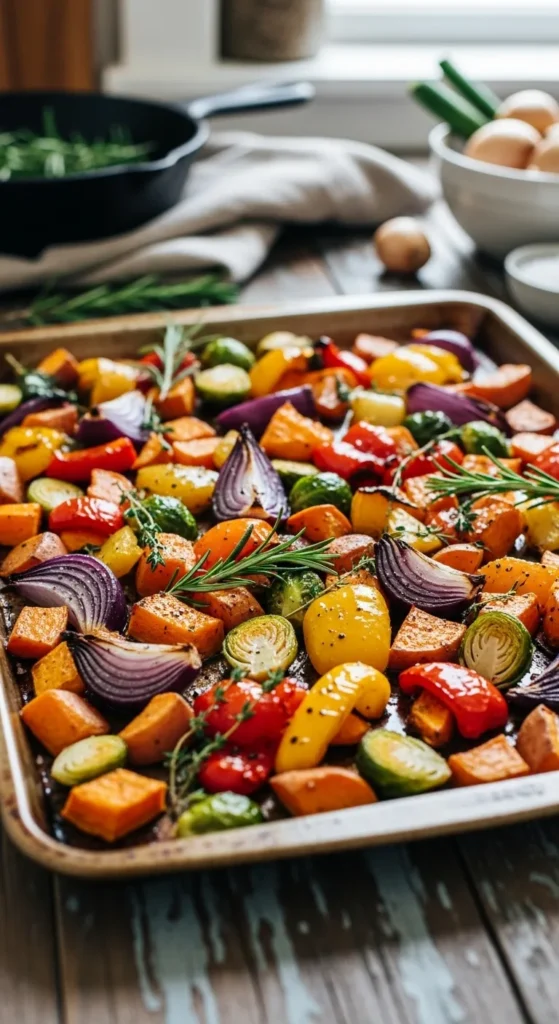
This method lets you mix and match meals quickly without feeling locked into one dish.
Step 4: Assemble Balanced Diet Meals
Now comes the fun part—putting everything together.
A simple plate formula:
- ½ vegetables
- ¼ protein
- ¼ grain or starch
Add herbs, citrus, or light sauces to keep flavors interesting without extra calories.
Meal prep container tips:
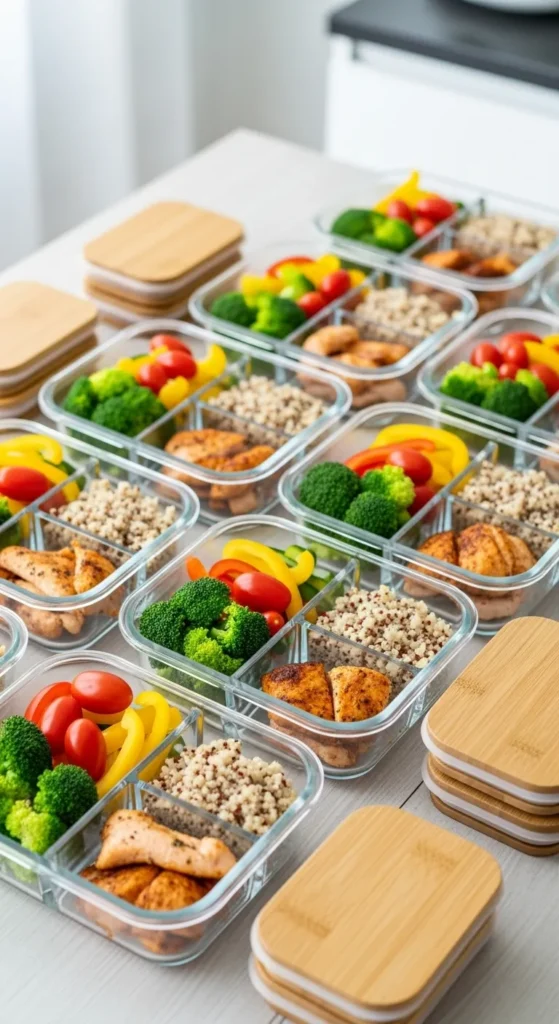
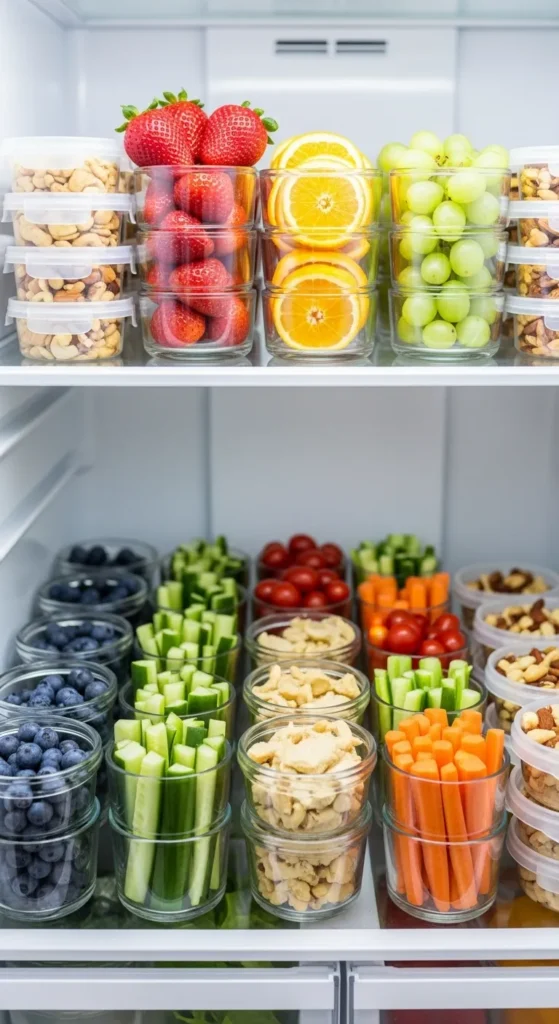
- Use clear containers so meals look appealing
- Store sauces separately to avoid soggy textures
- Label containers by day if that helps you stay organized
Step 5: Keep Meals Fresh All Week
The biggest concern with meal prep is freshness—but a few tricks solve that fast.
Smart storage tips:
- Keep delicate greens unassembled until the day you eat them
- Reheat grains and proteins, then add fresh toppings
- Rotate meals so earlier-prepped items are eaten first
If you get bored midweek, turn leftovers into something new—wrap bowls into lettuce cups or serve warm ingredients over fresh greens.
Step 6: Prep Snacks to Stay On Track
Diet meals matter, but snacks can make or break consistency.
Easy snack prep ideas:
- Portion nuts or seeds into small containers
- Slice vegetables and pair with hummus
- Prepare yogurt cups with fruit on the side
Having snacks ready prevents energy crashes and overeating later in the day.
How Long Weekly Meal Prep Really Takes
Here’s the good news: you don’t need an entire day.
Typical prep time:
- Planning: 15 minutes
- Shopping: 30–45 minutes
- Cooking & assembling: 60–90 minutes
In under two hours, you can prepare most of your week’s meals—and gain back time every single day.
Make Meal Prep a Habit (Not a Chore)
The key to sticking with meal prep is keeping it flexible. Rotate flavors, try new seasonings, and don’t aim for perfection. Even prepping some meals is better than none.
Start small. One week. One plan. One prep session.
Before you know it, healthy eating will feel less like work—and more like routine.
Save this guide for later and try your first full week of meal prep this weekend!

Leave a Reply