

Sweet food is comforting. It feels like a treat, a reward, a little joy at the end of the day. But when you’re trying to cut back on sugar, desserts and sweet meals can suddenly feel off-limits. The good news? They’re not. With the right approach, you can cook sugar-free diet recipes that still taste sweet, rich, and satisfying.
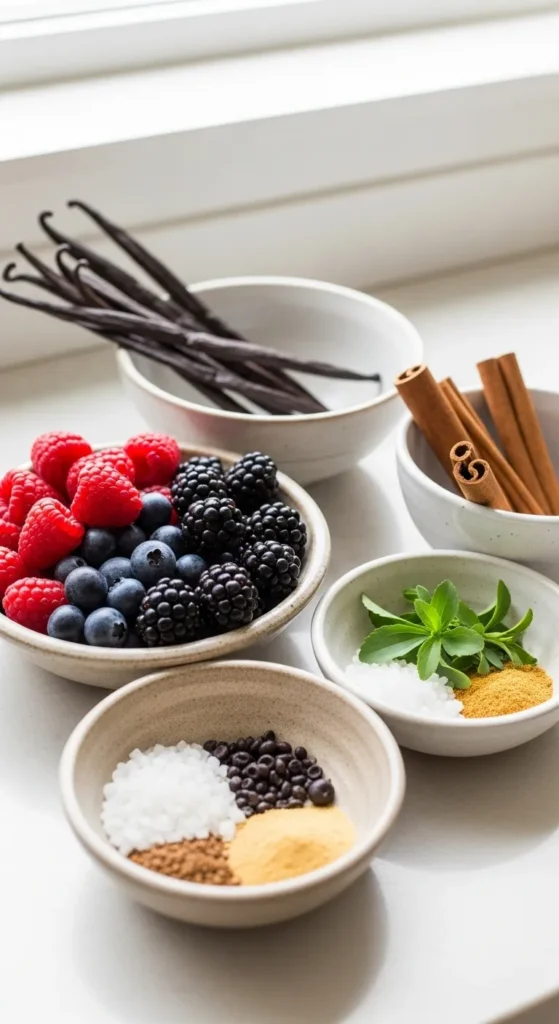
This guide will walk you through simple, realistic ways to keep sweetness in your meals—without relying on sugar. No complicated rules. No bland results. Just smart swaps and easy techniques that actually work.
Understand Where Sweetness Really Comes From
The first step is a mindset shift. Sweetness doesn’t only come from sugar. It comes from flavor balance, aroma, texture, and timing.
When sugar is removed, these elements matter more:
- Natural sweetness from fruits and vegetables
- Warm spices that trick the brain into tasting sweetness
- Fat and texture, which make food feel indulgent
- Cooking methods that deepen flavor
Once you focus on these, sugar-free cooking stops feeling restrictive.
Choose the Right Sugar-Free Sweeteners
Not all sugar-free sweeteners behave the same way. Picking the right one for the job makes a huge difference.
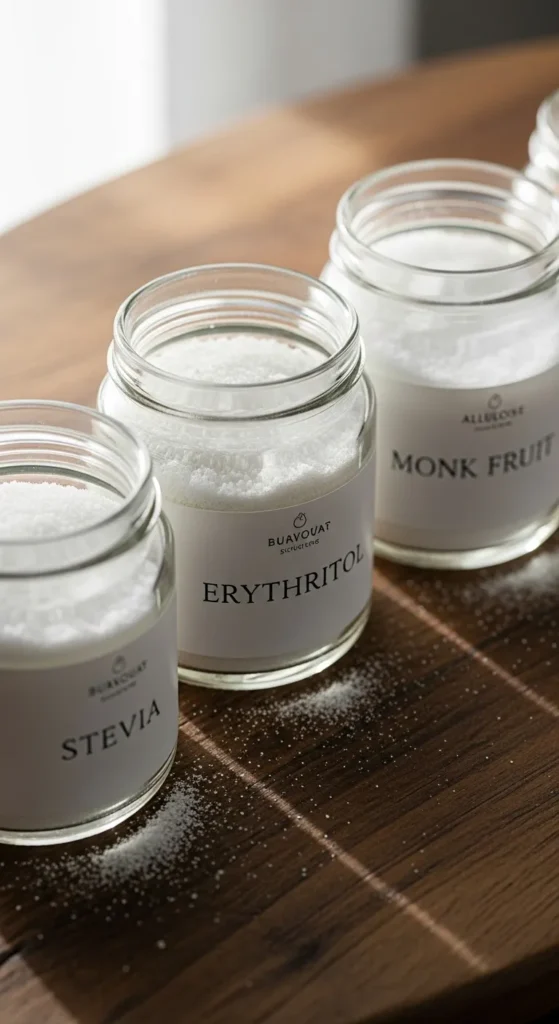
Popular sugar-free options that actually taste good:
- Stevia – very sweet, best for drinks and light desserts
- Erythritol – great for baking, clean taste, no bitterness
- Monk fruit – balanced sweetness, works well in sauces
- Allulose – browns like sugar and has a soft, natural finish
Tip:
Blend sweeteners if needed. For example, combining erythritol with monk fruit often removes aftertaste and improves texture.
Use Naturally Sweet Ingredients Strategically
Some whole foods become sweeter when cooked properly. These should be the foundation of sugar-free recipes.
Naturally sweet ingredients to rely on:
- Ripe berries
- Apples and pears (used in moderation)
- Sweet potatoes
- Pumpkin and squash
- Coconut milk (unsweetened)
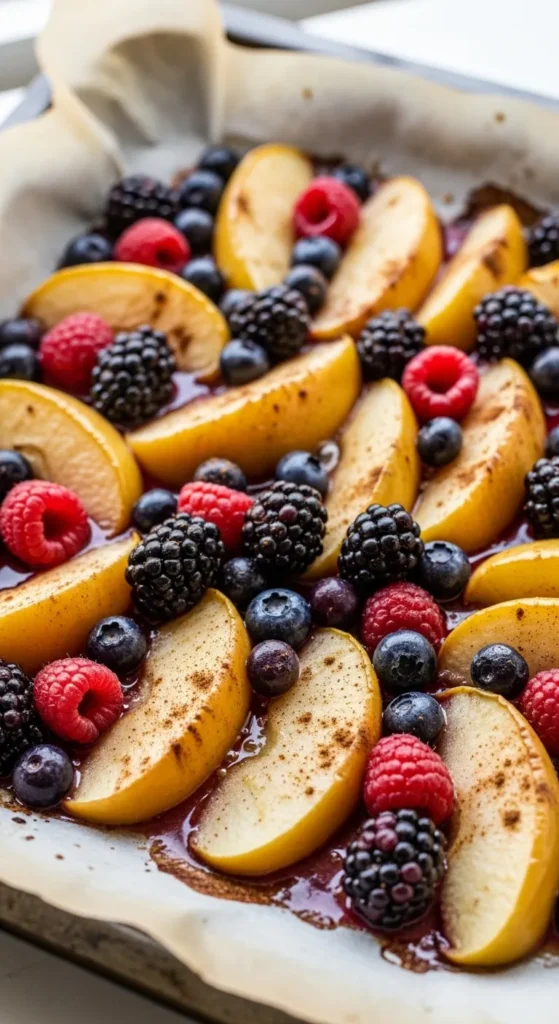
Cooking tip:
Roasting or simmering brings out natural sugars and adds depth. A roasted apple tastes sweeter than a raw one—even without added sugar.
Build Sweet Flavor with Spices and Extracts
This is where many sugar-free recipes level up.
Warm spices and extracts boost perceived sweetness without adding calories:
- Cinnamon
- Nutmeg
- Cardamom
- Vanilla extract
- Almond extract
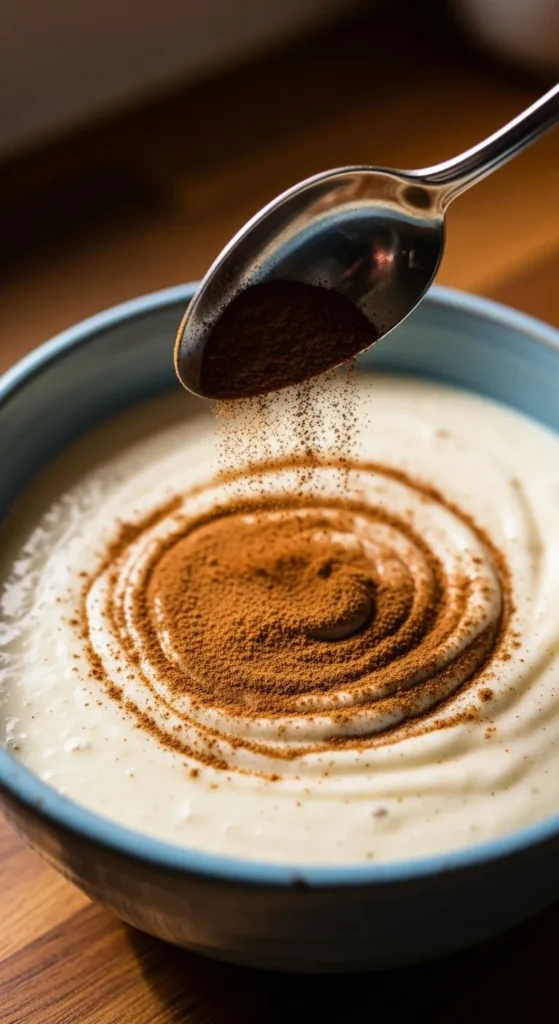
Use them generously—but intentionally. A small pinch can turn a flat dish into something that tastes dessert-worthy.
Master Texture to Replace Sugar’s Role
Sugar doesn’t just sweeten.
It adds:
- Moisture
- Structure
- A smooth mouthfeel
Without it, texture becomes your secret weapon.
Easy texture fixes:
- Use Greek-style yogurt or coconut cream for richness
- Add chia seeds for thickness in puddings
- Blend sauces longer for natural creaminess
- Bake slightly lower and slower to prevent dryness
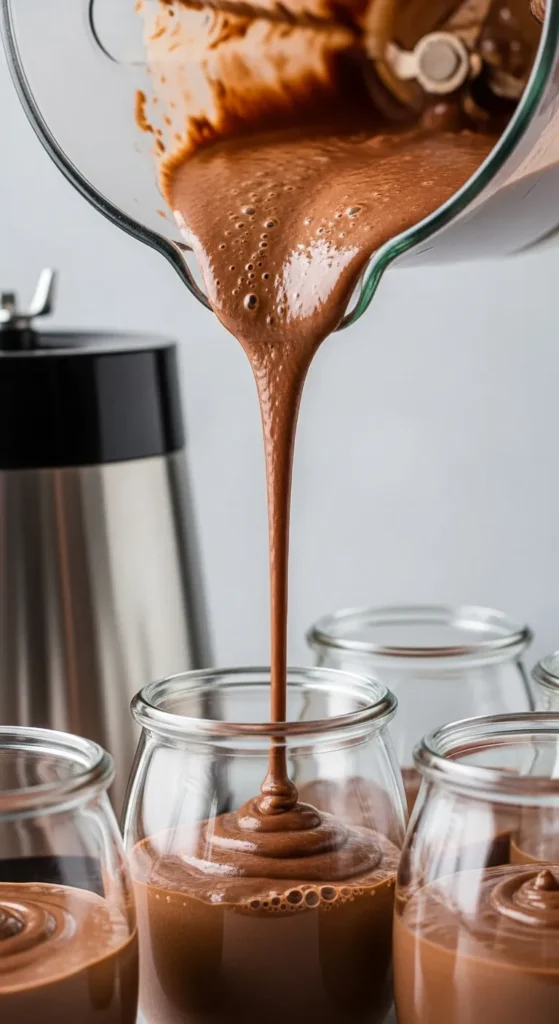
When food feels rich and smooth, your brain is less likely to “miss” sugar.
Balance Sweetness with a Hint of Contrast
One of the biggest mistakes in sugar-free cooking is trying to make everything intensely sweet. That often backfires.
Instead, balance sweetness with:
- A pinch of salt
- Light acidity (like lemon zest or juice)
- Mild bitterness from cocoa powder or coffee
This contrast makes sweetness stand out more—without adding sugar.
Sample Sugar-Free Sweet Dish Formula
You can apply this simple formula to many recipes:
- Base: yogurt, nut flour, or coconut milk
- Sweetness: erythritol or monk fruit (start small)
- Flavor: vanilla + cinnamon
- Texture: blended fruit or seeds
- Finish: pinch of salt or citrus zest
Once you learn this structure, you can improvise confidently.
Common Mistakes to Avoid
Even good intentions can lead to disappointing results.
Watch out for these:
- Using too much sweetener at once
- Ignoring texture completely
- Skipping spices
- Expecting sugar-free food to taste exactly like sugar
Sugar-free recipes are different—but they can be just as enjoyable when done right.
Final Thoughts: Sweet Without Sugar Is Possible
Cooking sugar-free diet recipes that taste sweet isn’t about deprivation. It’s about understanding flavor and using smarter techniques. When you focus on natural sweetness, warm spices, good texture, and balance, sugar becomes optional—not essential.
Start small. Test one recipe. Adjust slowly. Your taste buds will adapt faster than you expect.
Save this guide for later, and come back whenever you need a reminder that sweet doesn’t have to mean sugary.

Leave a Reply