

Trying to lose weight shouldn’t feel like a constant battle with hunger. Yet for many people, the idea of a calorie deficit instantly brings to mind tiny portions, low energy, and nonstop cravings. The truth is much more encouraging. You can eat in a calorie deficit and still feel satisfied, energized, and happy with your meals—if you approach it the right way.
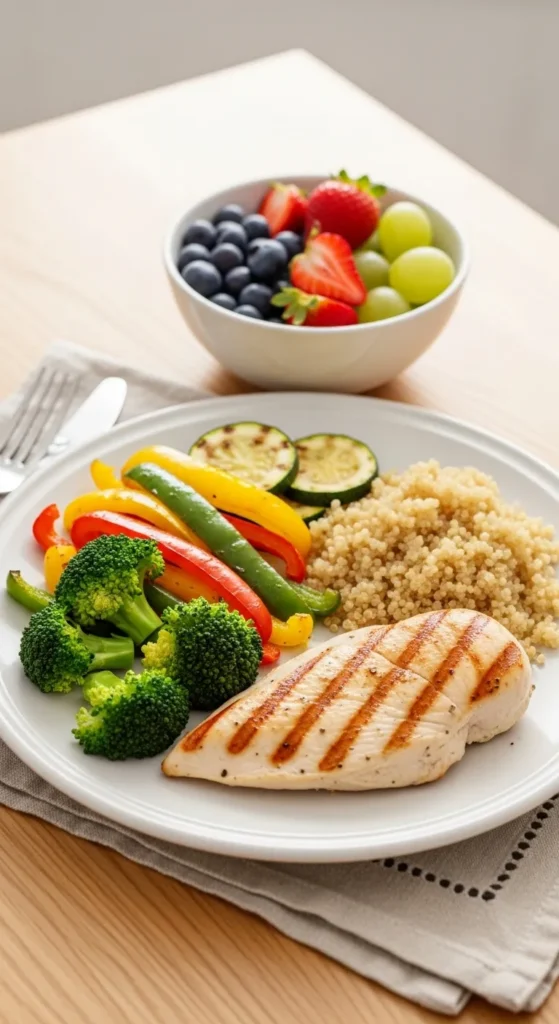
This guide breaks down practical, realistic strategies that make a calorie deficit sustainable—not miserable.
Understand What a Calorie Deficit Really Means
A calorie deficit simply means eating fewer calories than your body uses in a day. It does not mean eating as little as possible.
The goal is a smart deficit:
- Small enough to support energy and mood
- Consistent enough to see progress
- Flexible enough to fit real life
When the deficit is too aggressive, hunger hormones spike, cravings explode, and progress often stalls. A moderate approach keeps your body calm and cooperative.
Build Every Meal Around Protein
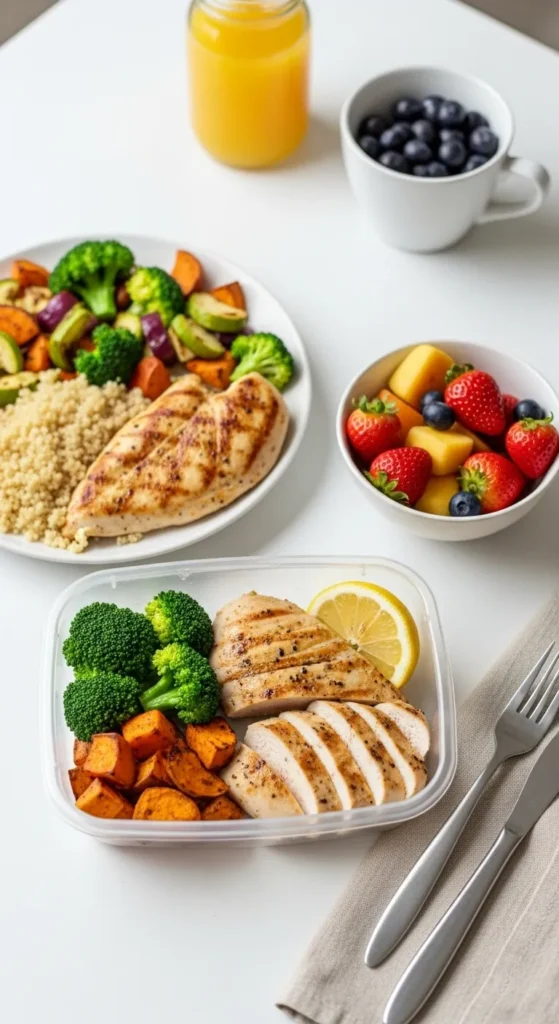
Protein is your best friend in a calorie deficit. It digests slowly, helps preserve muscle, and keeps you full longer than carbs or fats alone.
Good protein choices include:
- Eggs and egg whites
- Chicken breast or turkey
- Fish and seafood
- Greek yogurt or cottage cheese
- Lentils, beans, and tofu
Aim to include protein at every meal and snack.
Simple tip:
If a meal doesn’t keep you full for at least 3 hours, it likely needs more protein.
Volume Eat With High-Fiber Foods
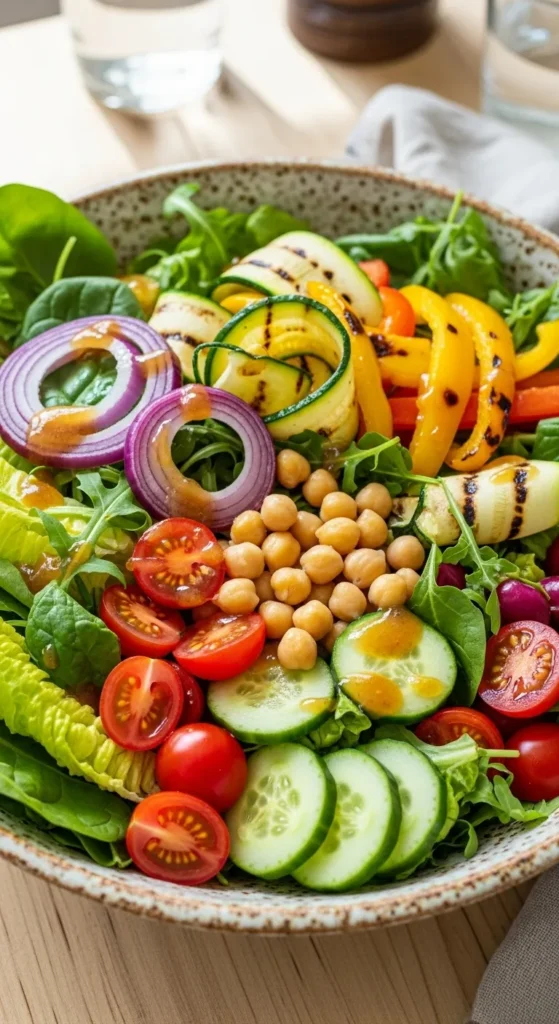
You don’t need smaller plates—you need smarter foods. High-fiber, low-calorie foods let you eat larger portions while staying within your calorie target.
Focus on:
- Leafy greens (spinach, arugula, lettuce)
- Cruciferous veggies (broccoli, cauliflower)
- Zucchini, cucumber, peppers, mushrooms
- Berries and apples
These foods add bulk, crunch, and satisfaction with minimal calories.
Pro move:
Start meals with vegetables to take the edge off hunger before the main dish.
Don’t Fear Carbs—Choose Them Wisely
Carbs aren’t the enemy. Poor carb choices and portion imbalance are.
Choose carbs that digest slowly and provide lasting energy:
- Oats
- Brown rice or quinoa
- Potatoes or sweet potatoes
- Whole-grain bread
- Beans and lentils
Pair carbs with protein and fiber to avoid blood sugar spikes that trigger hunger soon after eating.
Example:
Instead of plain toast → toast with eggs and sautéed veggies.
Use Healthy Fats Strategically
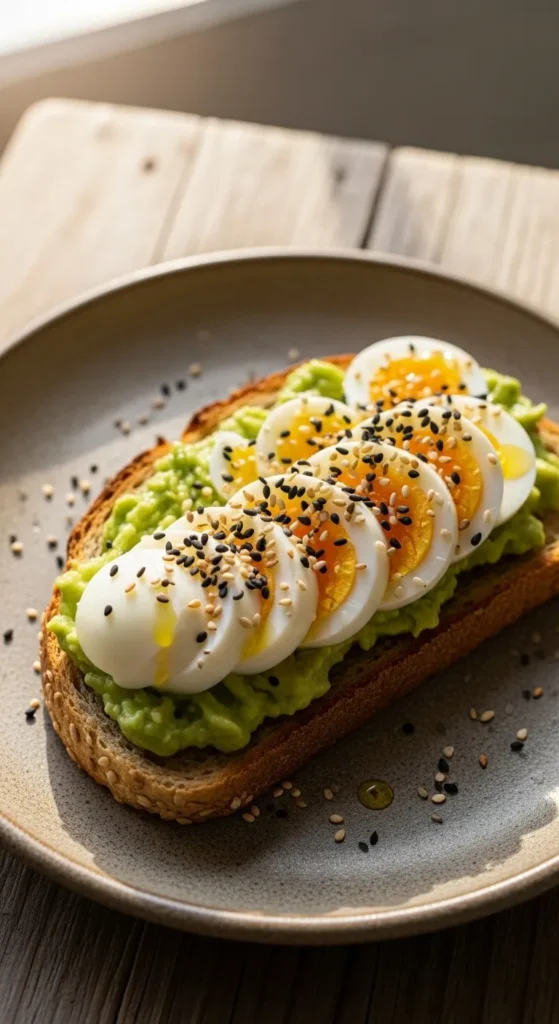
Fats are calorie-dense, but they add flavor and help meals feel complete. The key is portion control, not elimination.
Smart fat sources:
- Olive oil
- Avocado
- Nuts and seeds
- Nut butters
A small amount goes a long way.
Tip:
Measure oils instead of pouring freely—you’ll save hundreds of calories without noticing.
Eat More Often If It Helps You
Some people thrive on three meals a day. Others do better with smaller, more frequent meals.
There’s no “best” schedule—only what helps you manage hunger.
You might try:
- 3 meals + 1 snack
- 3 meals + 2 protein-rich snacks
The goal is preventing extreme hunger, which often leads to overeating later.
Master Hunger vs. Habit Eating
Not all hunger is physical.
Sometimes it’s:
- Boredom
- Stress
- Routine (snacking just because it’s “time”)
Before eating, pause and ask:
- Am I physically hungry?
- Would a balanced meal satisfy me right now?
If yes—eat without guilt. If not, try water, a short walk, or a change of activity.
Plan for Satisfaction, Not Perfection
A sustainable calorie deficit includes foods you enjoy. When meals feel restrictive, cravings grow stronger.
Ways to stay satisfied:
- Season food generously with herbs and spices
- Keep textures interesting (crunchy + soft)
- Include small treats mindfully instead of banning them
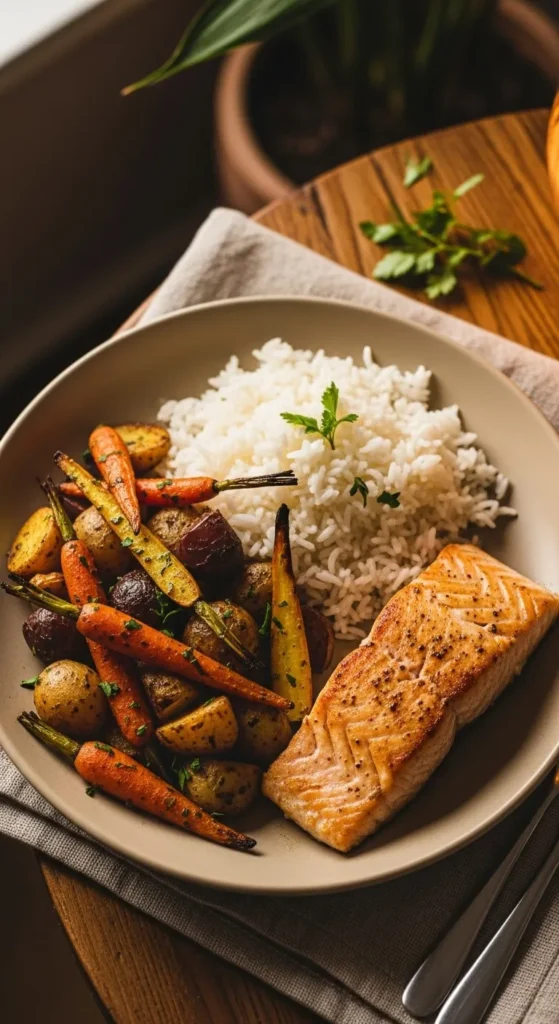
Consistency matters more than perfection.
The Real Secret: Eat Enough of the Right Foods
If you feel like you’re “starving” in a calorie deficit, something is off—not your willpower.
Focus on:
- Protein at every meal
- Plenty of fiber-rich foods
- Balanced carbs and fats
- Regular meals that fit your lifestyle
When your meals are built this way, hunger becomes manageable—and progress feels easier.
Final Takeaway
A calorie deficit doesn’t have to mean suffering. With smart food choices, satisfying portions, and realistic habits, you can lose weight and enjoy your meals.
Save this guide for later, and start building meals that work with your body—not against it.

Leave a Reply