

Eating low sodium doesn’t have to feel restrictive or boring. In fact, once you learn a few simple tricks, it can become one of the easiest—and most satisfying—ways to cook at home. The key is knowing how to build flavor without relying on salt-heavy shortcuts. With the right ingredients and habits, low sodium meals can feel fresh, comforting, and full of taste.
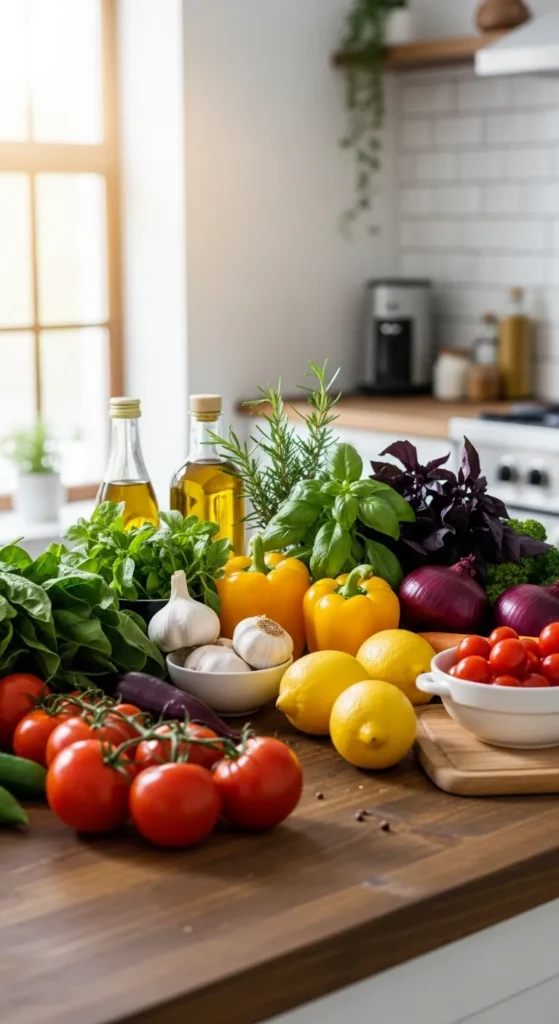
Below is a simple, step-by-step guide to help you prepare low sodium diet meals easily, even on busy days.
Understand Where Sodium Really Comes From
Most sodium doesn’t come from the salt shaker. It hides in packaged and processed foods.
Common high-sodium culprits include:
- Store-bought sauces and dressings
- Canned soups and broths
- Frozen meals
- Seasoning packets
When you cook at home, you control what goes in your food. That alone can drastically reduce sodium without changing portion sizes or favorite meals.
A helpful mindset shift:
- Think fresh first
- Use packaged foods as accents, not the base
Stock Your Kitchen With Low Sodium Staples
Having the right ingredients on hand makes low sodium cooking feel effortless instead of limiting.
Focus on:
- Fresh vegetables and fruits
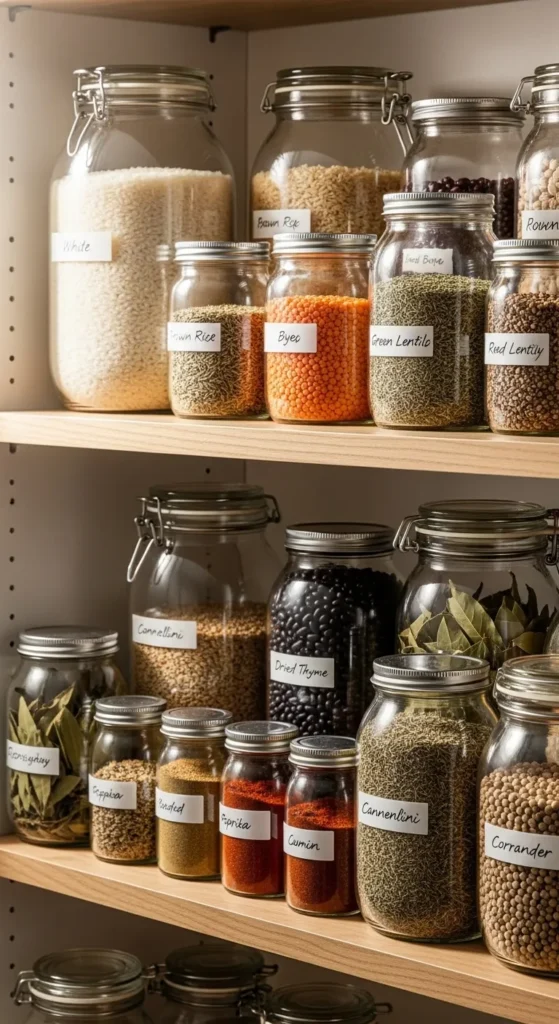
- Plain grains like rice, quinoa, and oats
- Dry beans or no-salt-added canned beans
- Fresh poultry, fish, or plant-based proteins
- Unsalted nuts and seeds
Flavor boosters to keep nearby:
- Garlic, onions, shallots
- Fresh or dried herbs
- Citrus juice and zest
- Vinegars (check labels for sodium)
- Olive oil and avocado oil
Build Flavor Without Relying on Salt
This is where many people get stuck—but it’s also where low sodium cooking shines.
Instead of salt, try layering flavor:
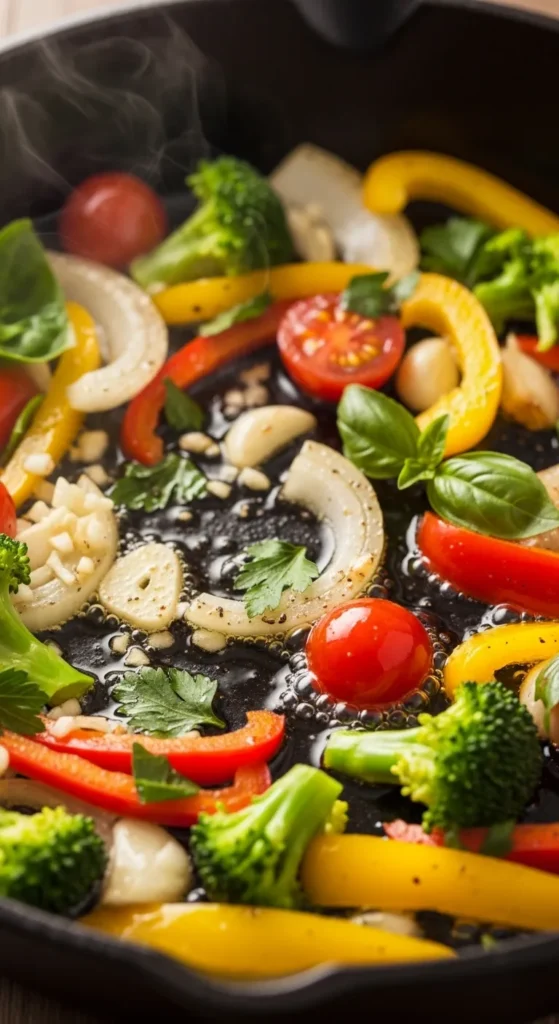
- Aromatics first: sauté onions or garlic to create depth
- Acid last: a squeeze of lemon or splash of vinegar wakes everything up
- Herbs generously: fresh herbs add brightness without sodium
- Spices wisely: paprika, cumin, pepper, turmeric, and garlic powder
A simple trick:
Taste your food before adding salt. Many meals don’t need it once flavors are balanced.
Read Labels (But Keep It Simple)
You don’t need to memorize numbers.
Just look for a few key phrases:
- “No salt added”
- “Low sodium”
- “Reduced sodium”
Compare similar items side by side. You’ll often find one option with half the sodium of another.
Quick rule of thumb:
- Short ingredient lists usually mean less hidden sodium
Cook Once, Eat Well All Week
Meal prep is especially helpful for a low sodium lifestyle. It keeps you from reaching for convenience foods when time is tight.
Easy low sodium meal prep ideas:
- Roast a tray of mixed vegetables for bowls and sides
- Cook a pot of grains to use throughout the week
- Prepare a simple homemade dressing or sauce
- Grill or bake protein with neutral seasoning
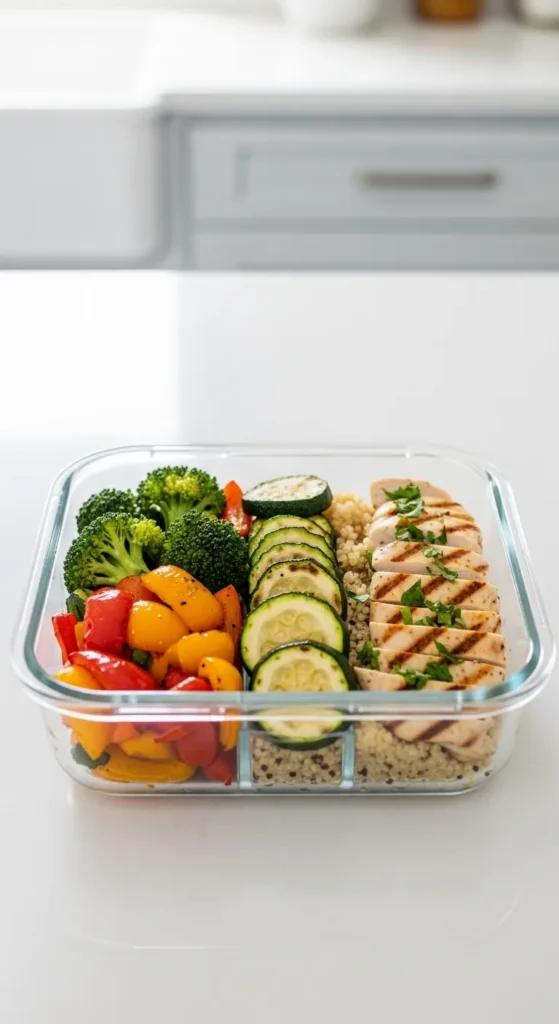
When meals are ready to go, sticking to low sodium becomes automatic.
Adjust Your Taste Buds Gradually
If low sodium meals taste “flat” at first, that’s normal. Your taste buds adapt faster than you think.
Helpful tips:
- Reduce sodium slowly instead of all at once
- Add extra herbs and acids during the transition
- Focus on texture and temperature for satisfaction
Within a few weeks, heavily salted foods often start tasting overpowering.
Simple Low Sodium Meal Ideas to Try
You don’t need complicated recipes. Start with familiar foods made simpler.
Easy ideas:
- Stir-fried vegetables with garlic, ginger, and lemon
- Baked fish with herbs and citrus
- Grain bowls with roasted veggies and homemade dressing
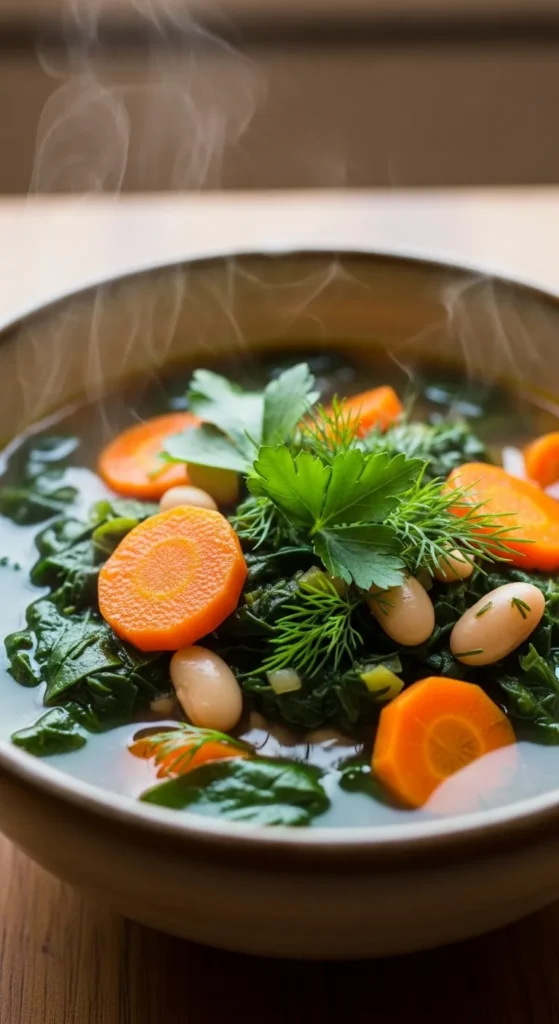
- Hearty soups made with no-salt-added broth
Final Takeaway
Preparing low sodium diet meals doesn’t require special products or bland food. It’s about choosing fresh ingredients, building flavor naturally, and cooking with intention. Once these habits become routine, eating low sodium feels less like a rule—and more like a lifestyle upgrade.
Save this guide for later, and try one low sodium swap this week. Small changes add up fast.

Leave a Reply