

Going vegan doesn’t have to feel complicated—or boring. When meals are balanced, plant-based eating can be filling, colorful, and deeply satisfying. The trick isn’t fancy ingredients. It’s knowing how to combine everyday foods so your plate works for you, not against you. Once you get the basics down, building vegan meals becomes second nature.
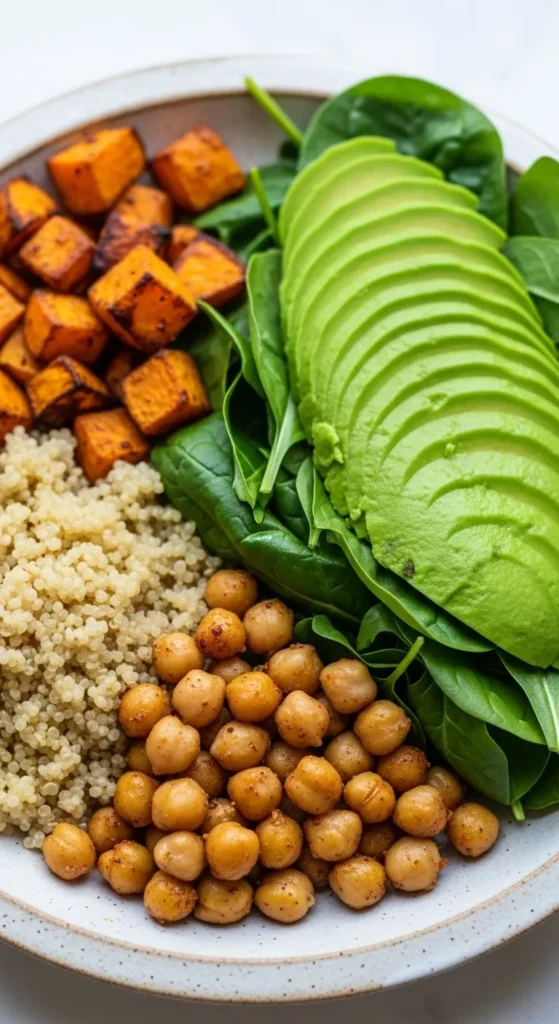
Start With the Balance Formula (Not a Recipe)
Instead of memorizing recipes, think in components.
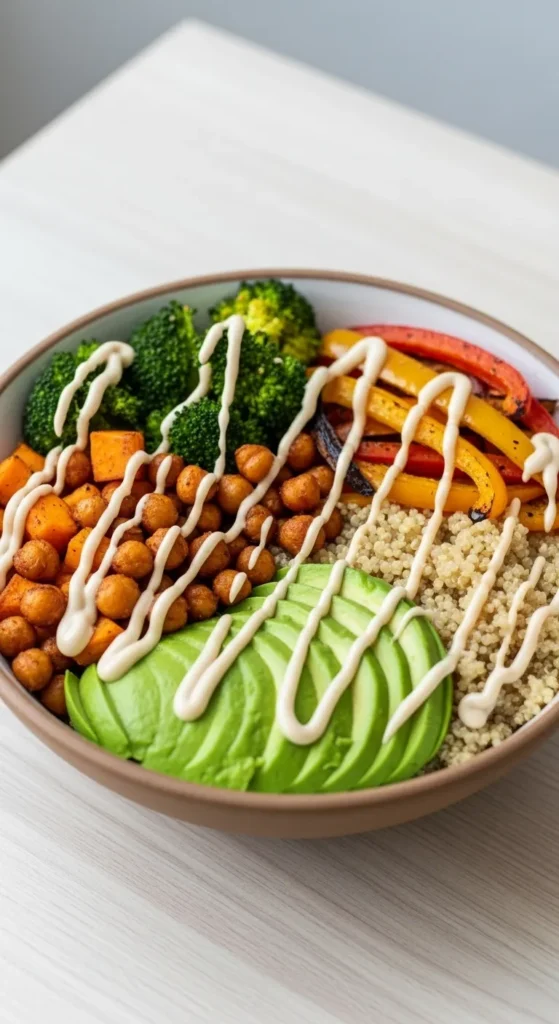
Every balanced vegan meal follows the same simple structure:
- Protein – keeps you full and supports daily energy
- Complex carbs – provide steady fuel
- Healthy fats – add satisfaction and flavor
- Fiber-rich veggies – support digestion and volume
Once you see meals this way, you can mix and match based on what you already have.
A basic formula looks like this:
Protein + Carb + Fat + Veggies = Balanced Meal
This works for bowls, wraps, plates, and even breakfasts.
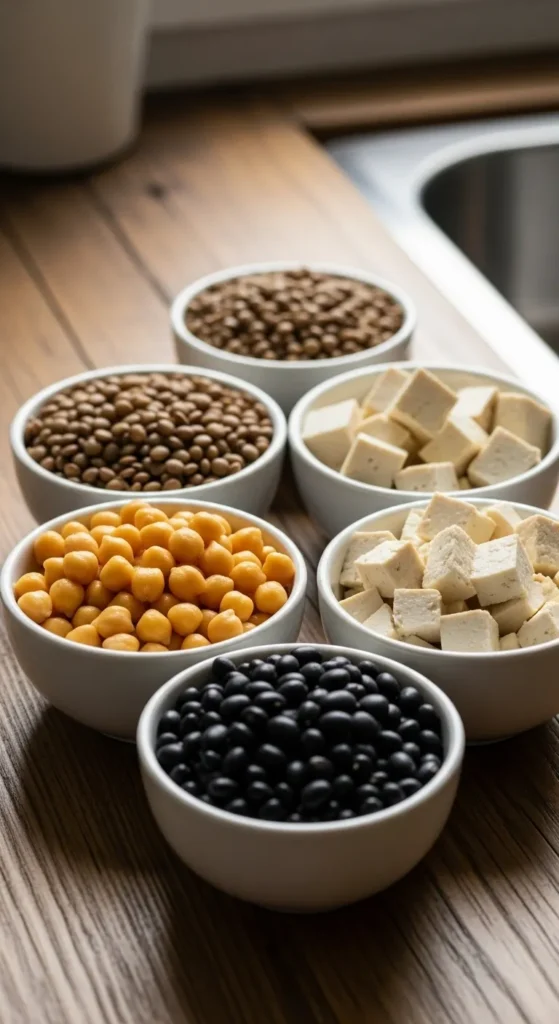
Choose Plant Proteins That Actually Satisfy
Protein is often the biggest worry when going vegan—but it’s easier than you think.
Reliable vegan protein options include:
- Lentils and chickpeas
- Black beans and white beans
- Tofu and tempeh
- Edamame
- Split peas
For best results:
- Aim to include one protein source per meal
- Combine beans with grains for variety
- Don’t rely only on vegetables for protein
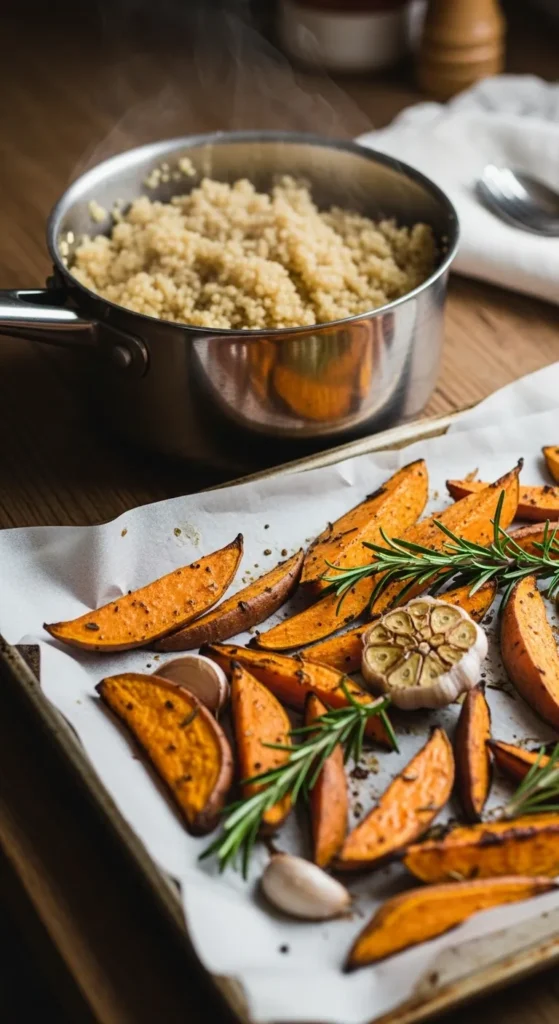
Add Smart Carbs for Long-Lasting Energy
Carbs aren’t the enemy—they’re the foundation of satisfying vegan meals when chosen wisely.
Great plant-based carb options:
- Brown rice or jasmine rice
- Quinoa or bulgur
- Oats
- Sweet potatoes
- Whole-grain bread or wraps
Tips for balance:
- Keep portions steady, not oversized
- Pair carbs with protein to avoid energy crashes
- Rotate grains so meals don’t feel repetitive
Don’t Skip Healthy Fats (They Make Meals Stick)
Fat is what turns a bowl of plants into a meal you actually enjoy.
Easy vegan fat sources:
- Avocado slices
- Olive oil
- Tahini
- Nuts and seeds
- Nut butters
Use fats to:
- Drizzle over bowls
- Blend into sauces
- Toss with roasted vegetables
A little goes a long way—and it makes meals feel complete.
Build Colorful Veggie Bases for Volume
Vegetables add fiber, crunch, and variety. They also let you eat bigger portions without feeling heavy.
Try mixing:
- Leafy greens (spinach, kale, arugula)
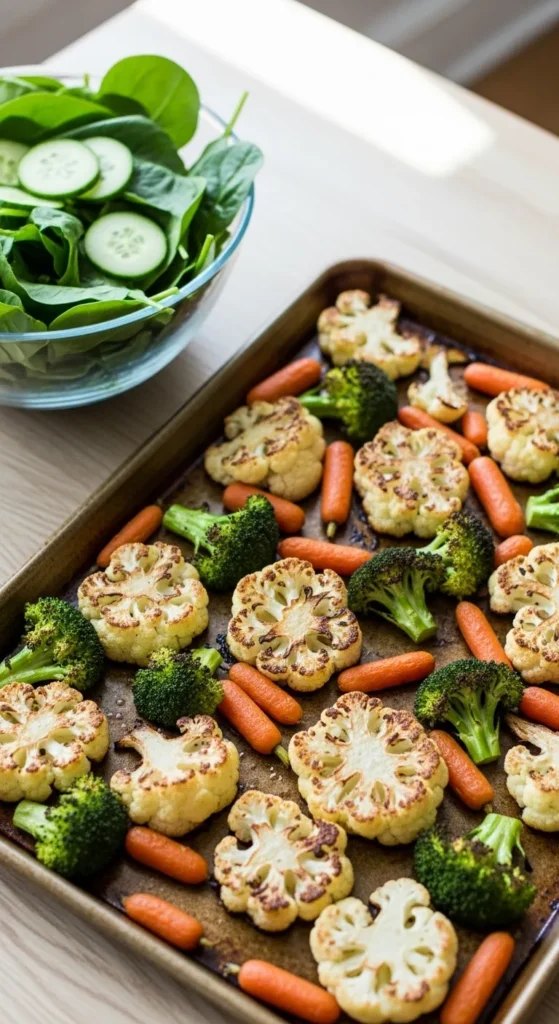
- Roasted veggies (carrots, cauliflower, zucchini)
- Raw crunch (cucumber, cabbage, bell peppers)
To keep veggies exciting:
- Roast instead of steam
- Use spices and citrus
- Combine raw and cooked textures
Assemble Meals the Easy Way
Balanced meals don’t need cooking marathons.
Quick assembly ideas:
- Grain bowls: rice + beans + roasted veggies + tahini
- Wraps: hummus + lentils + greens + avocado
- Simple plates: tofu, potatoes, sautéed vegetables
Meal-prep shortcuts:
- Cook grains in batches
- Roast vegetables once for multiple meals
- Keep sauces ready in the fridge
Watch These Common Balance Mistakes
Even healthy vegan meals can feel off if balance slips.
Common issues:
- Too many carbs, not enough protein
- Skipping fats and feeling hungry later
- Eating only raw foods and feeling unsatisfied
If a meal leaves you hungry after an hour, add:
- More protein
- A drizzle of fat
- A larger veggie portion
Make It Sustainable, Not Perfect
Balanced vegan eating isn’t about strict rules. It’s about consistency.
Focus on:
- Progress, not perfection
- Simple meals you enjoy
- Listening to hunger cues
When meals feel good, habits stick.
Final Takeaway
Balanced vegan meals are built—not guessed. Once you learn the simple formula, every meal becomes easier, faster, and more satisfying.
Save this guide, use it as a reference, and start building plant-based plates that actually work for your lifestyle.

Leave a Reply