

Eating healthy doesn’t have to mean walking away from the table still hungry. The secret is learning how to build diet bowls that look generous, taste satisfying, and actually keep you full for hours. When the right ingredients come together, a single bowl can feel comforting, colorful, and nourishing all at once.
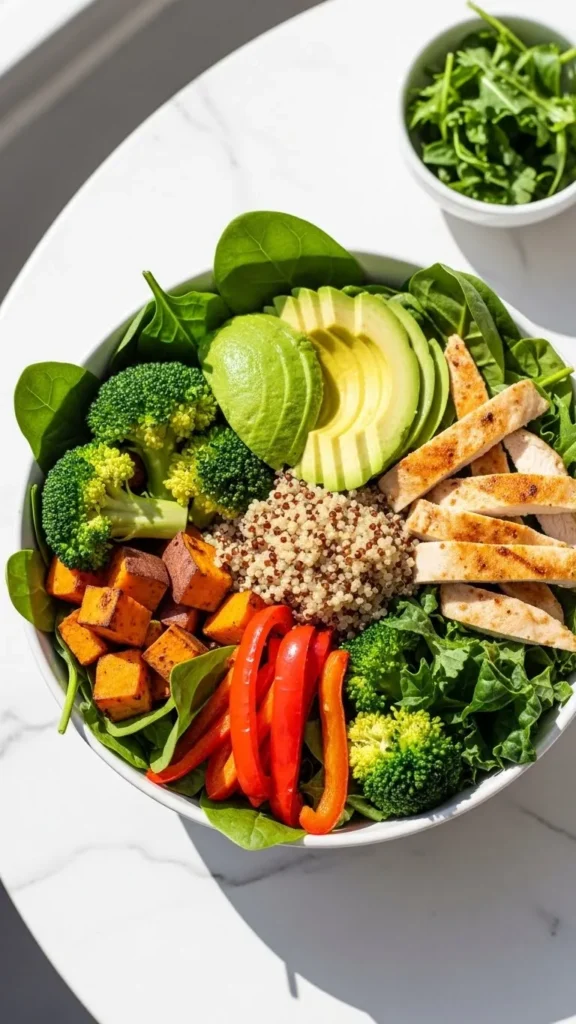
The beauty of a diet bowl is flexibility. You can mix textures, flavors, and nutrients without measuring every bite. Let’s break down exactly how to build healthy diet bowls that feel filling—without feeling restrictive.
Start With a Satisfying Base
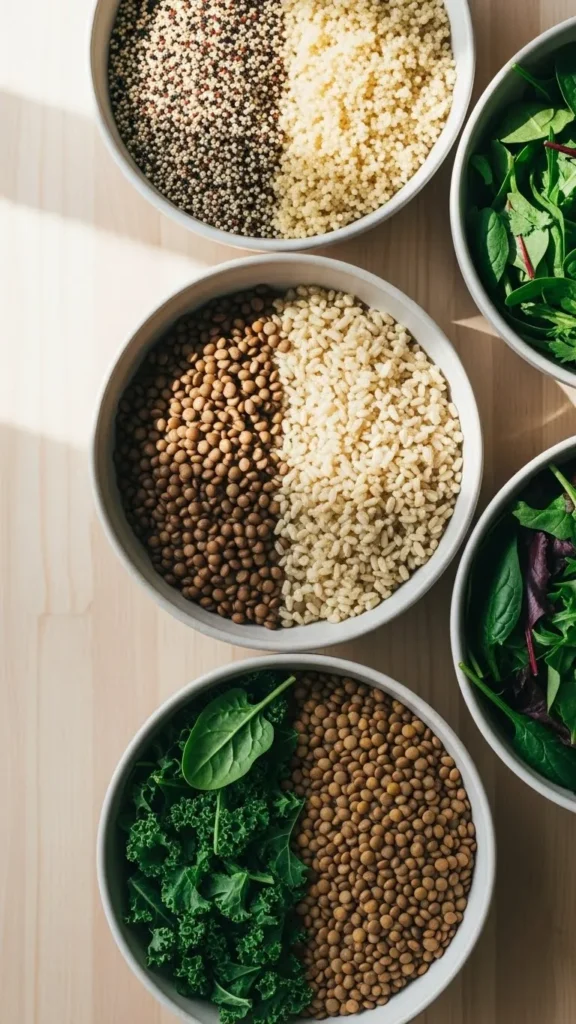
The base sets the tone for your entire bowl. Choosing the right foundation helps control hunger while keeping the bowl light and balanced.
Great base options include:
- Cooked quinoa or brown rice
- Lentils or chickpeas
- Roasted sweet potatoes
- Cauliflower rice mixed with whole grains
- Leafy greens like spinach, kale, or arugula
A smart trick is to combine volume and substance. For example, use half leafy greens and half grains. This gives you a big-looking bowl that still has staying power.
Add Protein for Long-Lasting Fullness
Protein is what keeps a diet bowl from feeling like a snack. It slows digestion and helps you feel satisfied well after the meal is over.
Easy protein ideas:
- Grilled or baked chicken
- Roasted tofu or tempeh
- Hard-boiled or soft-boiled eggs
- Beans or lentils
- Pan-seared fish
- Cottage cheese or plain yogurt on savory bowls
Aim for a portion about the size of your palm. That’s usually enough to support fullness without overpowering the bowl.
Pro tip: Season protein well. Simple spices, citrus, or herbs can make a big difference without adding heaviness.
Load Up on Fiber-Rich Vegetables
Vegetables are what make diet bowls feel abundant. The more colors and textures you add, the more satisfying the bowl becomes—both visually and physically.
Great veggie choices:
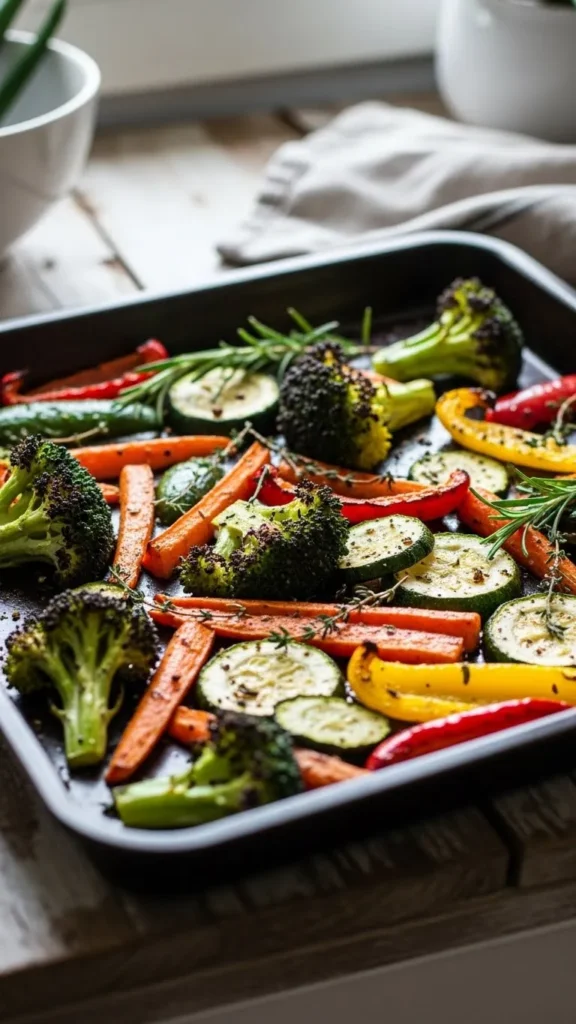
- Roasted broccoli, cauliflower, or carrots
- Sautéed zucchini or mushrooms
- Fresh cucumber, tomato, or shredded cabbage
- Steamed green beans or snap peas
- Grilled peppers or onions
Roasted vegetables are especially filling because they add warmth and depth of flavor.
Don’t Skip Healthy Fats
Diet bowls feel flat without fat. Healthy fats add creaminess, flavor, and satisfaction that help prevent cravings later.
Add small portions of:
- Avocado slices
- Olive oil drizzle
- Nuts or seeds
- Tahini or nut butter sauces
- Hummus
You don’t need much—just enough to bring everything together. Think of fats as the finishing touch that makes the bowl feel complete.
Use Flavor Boosters Instead of Heavy Sauces
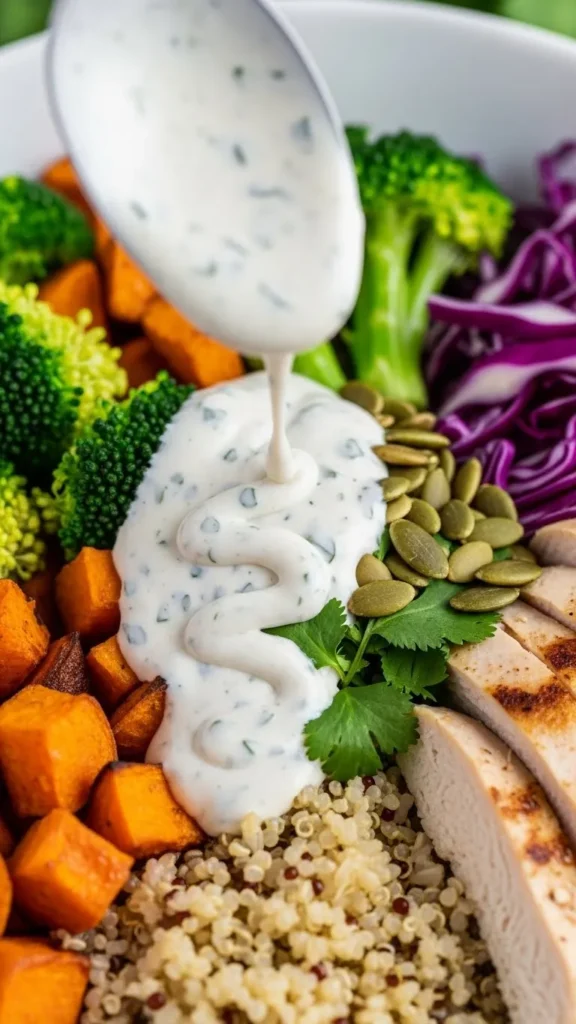
The difference between a boring bowl and one you crave often comes down to flavor. Instead of heavy sauces, use light but bold additions.
Try:
- Fresh herbs like cilantro or parsley
- Lemon or lime juice
- Garlic yogurt sauce
- Mustard-based dressings
- Salsa or chopped olives
These additions wake up the bowl without weighing it down.
Build Your Bowl With Balance in Mind
When assembling your bowl, think in simple sections:
- ½ vegetables for volume
- ¼ protein for fullness
- ¼ base for energy
- Small fat + flavor boost to finish
This visual approach keeps portions easy without counting or stressing.
If you’re meal prepping, store components separately and assemble just before eating. Fresh textures make a big difference in satisfaction.
Make It Feel Comforting
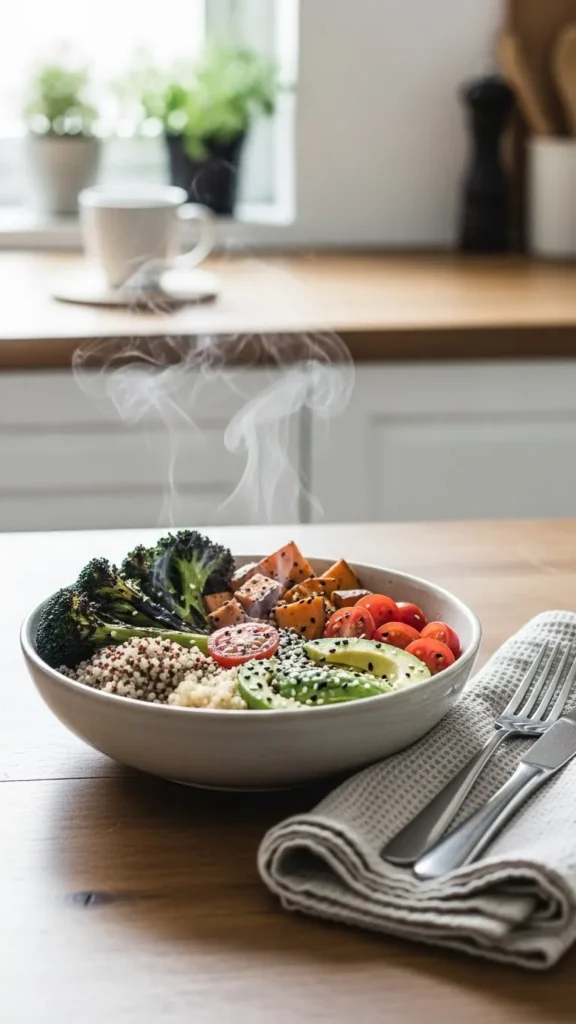
Healthy diet bowls should feel cozy, not clinical. Warm ingredients, contrasting textures, and familiar flavors help your brain register the meal as “complete.”
Ways to add comfort:
- Mix warm and cool ingredients
- Add something creamy with something crunchy
- Use spices you already love
- Serve in a real bowl, not a container
Final Takeaway
A filling diet bowl isn’t about eating more—it’s about building smarter. When you combine fiber-rich vegetables, satisfying protein, healthy fats, and bold flavors, healthy eating feels easy and enjoyable.
Save this guide for later, mix and match ingredients you love, and start building diet bowls that truly keep you full and happy.
Leave a Reply