

Eating healthy doesn’t have to feel like a strict rulebook or a short-term challenge. The goal isn’t perfection—it’s consistency. When you build healthy eating habits with diet food, you create a lifestyle that feels sustainable, enjoyable, and realistic for everyday life.
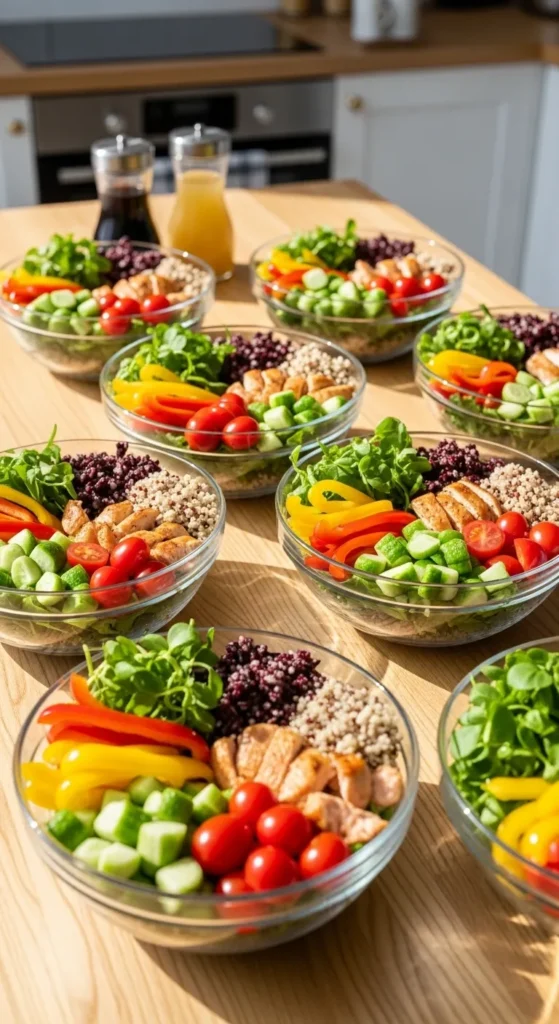
Instead of focusing on what you “can’t” eat, this guide helps you shift toward what you can enjoy—foods that nourish your body and support long-term habits.
Understand What “Diet Food” Really Means
One of the biggest misconceptions is that diet food is bland, boring, or restrictive. In reality, diet food simply means food that supports your health goals.
Think:
- Whole foods instead of highly processed options
- Balanced portions instead of extremes
- Meals that keep you full and energized
Diet food can include:
- Lean proteins
- Fresh vegetables and fruits
- Whole grains
- Healthy fats in moderation
The mindset shift matters. You’re not “on a diet.” You’re building habits that fit your life.
Start With Small, Repeatable Changes
Trying to change everything at once often leads to burnout. The key is starting small and repeating those actions until they feel automatic.
Simple ways to begin:
- Add one vegetable to every meal
- Swap sugary snacks for fruit a few times a week
- Drink water before meals
These tiny changes stack up faster than you think.
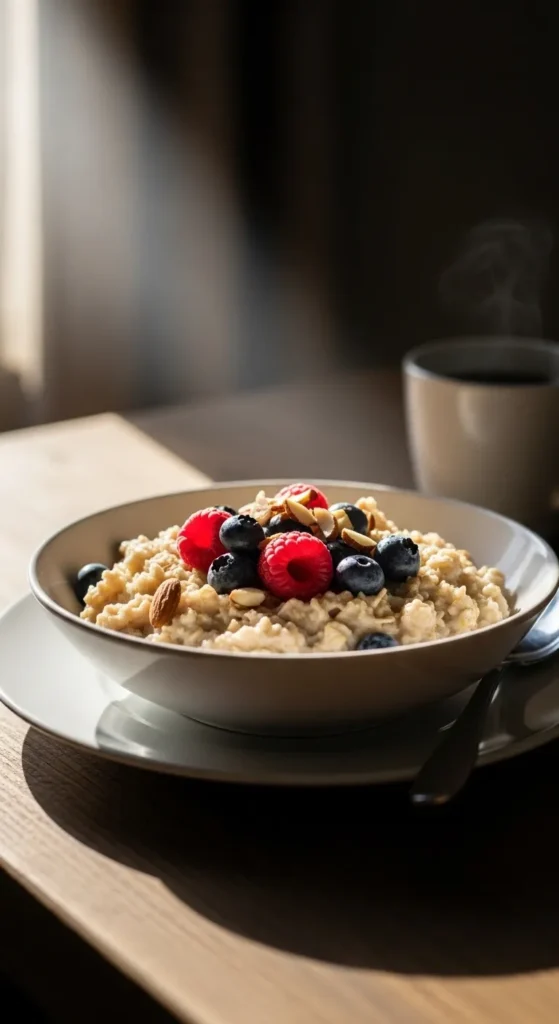
Small wins build confidence—and confidence builds habits.
Build Balanced Meals Without Overthinking
You don’t need complicated meal plans to eat well. A balanced plate is often enough.
A simple formula:
- ½ plate: vegetables or fruit
- ¼ plate: protein
- ¼ plate: whole grains or fiber-rich carbs
This approach:
- Keeps meals satisfying
- Prevents overeating
- Makes grocery shopping easier
If it looks colorful and filling, you’re probably doing it right.
Make Diet Food Taste Good
Healthy eating sticks when food actually tastes good. Flavor is not the enemy.
Easy ways to boost flavor:
- Use herbs and spices generously
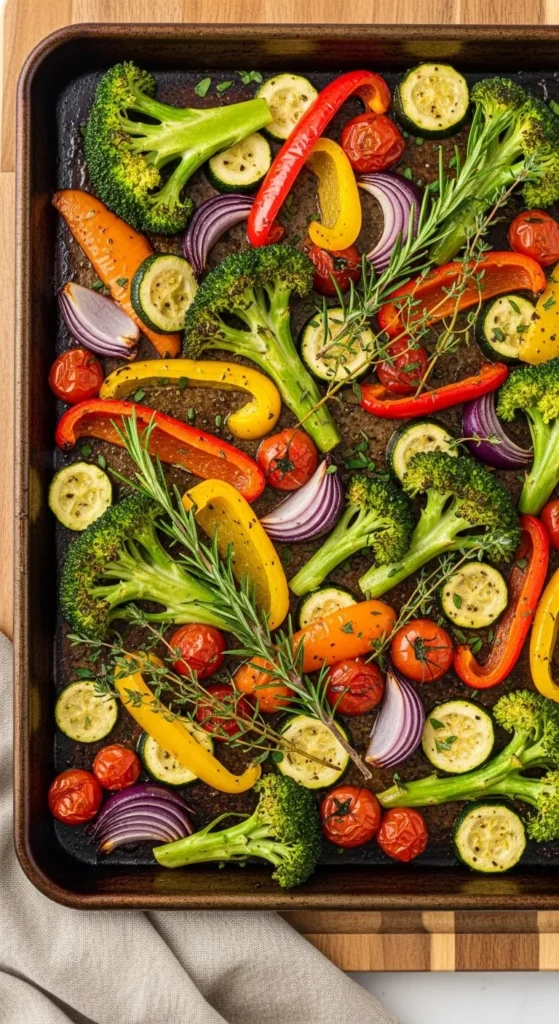
- Try roasting vegetables instead of steaming
- Mix textures (crunchy, creamy, soft)
Healthy meals don’t need to feel like a compromise. When food is enjoyable, habits last longer.
Plan Ahead Without Being Rigid
Planning doesn’t mean eating the same meal every day. It simply means giving yourself better options.
Helpful planning ideas:
- Prep ingredients instead of full meals
- Keep quick, healthy staples on hand
- Plan flexible meals you can mix and match
When healthy food is easy to reach, you’re more likely to choose it—especially on busy days.
Learn to Listen to Your Body
Healthy eating habits aren’t just about food choices. They’re also about awareness.
Start paying attention to:
- Hunger cues
- Fullness signals
- Energy levels after meals
Eat slowly when possible. Pause halfway through your meal. Ask yourself if you’re still hungry or just eating out of habit.
This awareness helps you build trust with your body over time.
Avoid the “All or Nothing” Trap
One unbalanced meal does not erase your progress. Consistency matters more than perfection.
Helpful mindset reminders:
- One meal doesn’t define your habits
- Progress looks different week to week
- Flexibility helps habits stick
Diet food works best when it supports real life—not when it tries to control it.
Create Habits That Fit Your Lifestyle
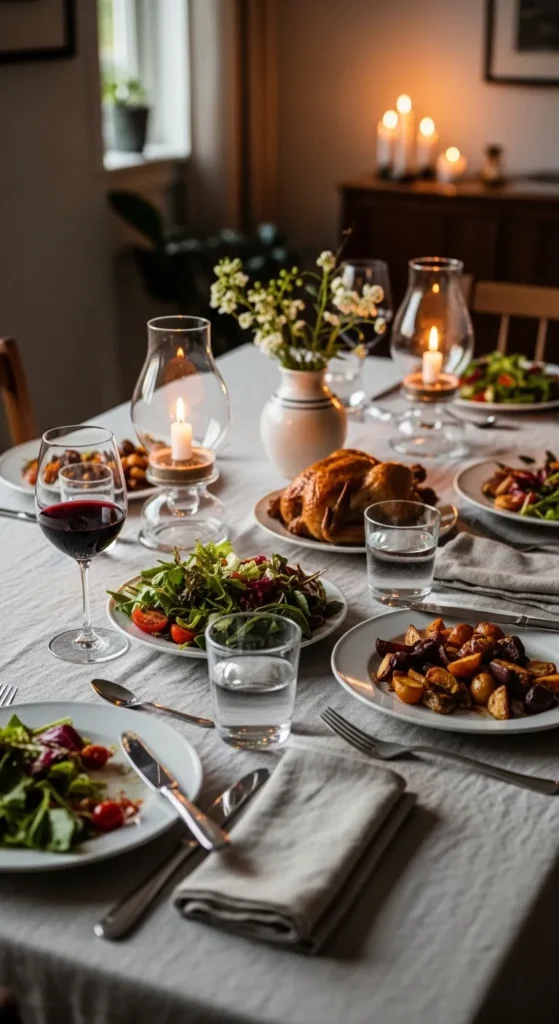
Healthy eating should adapt to you, not the other way around.
Ask yourself:
- What meals do I enjoy most?
- What time of day is hardest to eat well?
- What habits feel realistic long term?
Build routines around your answers. That’s how diet food becomes part of daily life—not a temporary fix.
Final Takeaway
Building healthy eating habits with diet food is about balance, patience, and enjoyment. Start small. Keep meals simple. Focus on consistency instead of rules.
Healthy habits aren’t built in a day—but they are built one meal at a time.
Save this guide for later, and come back whenever you need a reset.
Leave a Reply