

Eating healthy sounds great—until you see the price tags. Fresh produce, lean proteins, and “diet” labels can feel expensive fast. But here’s the good news: you don’t need fancy superfoods or pricey meal plans to eat well. With a few smart habits, you can enjoy balanced, satisfying meals without blowing your budget.
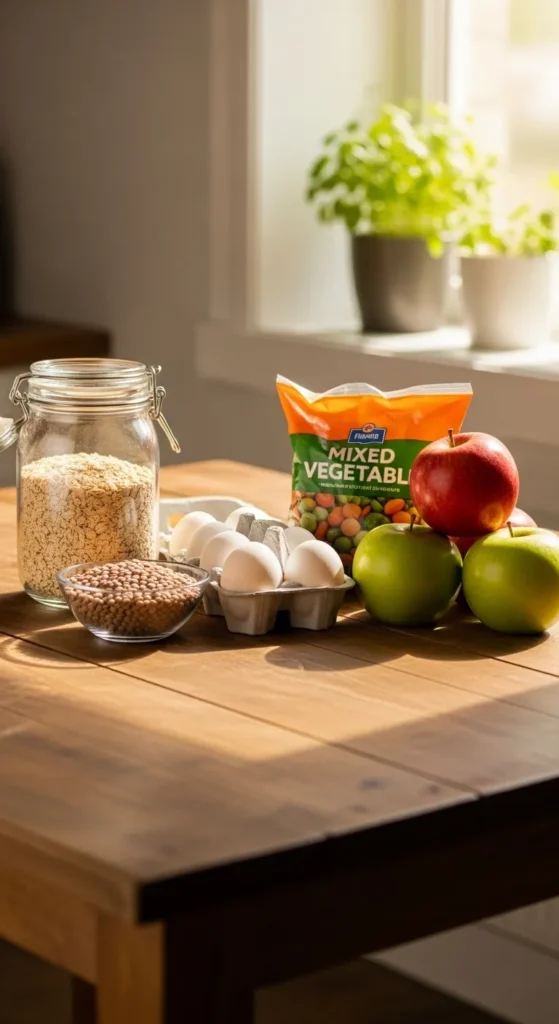
Let’s break it down into easy, realistic steps that actually work in everyday life.
Start With a Simple, Budget-Friendly Plan
Healthy eating on a budget starts before you shop.
Instead of buying random “healthy” items, decide what you’ll eat for the week.
A simple plan helps you:
- Avoid impulse buys
- Reduce food waste
- Stretch ingredients across multiple meals
You don’t need a complicated chart.
Just jot down:
- 2–3 breakfasts
- 2 lunches
- 3–4 dinners
- A few snacks
Focus on meals that share ingredients. One bag of rice can become stir-fry, grain bowls, and soups.
Budget tip:
Planning saves money even before you step into the store.
Choose Affordable, Filling Staples
You don’t need expensive diet foods to eat well. Some of the most nutritious options are also the cheapest.
Look for staples like:
- Oats
- Eggs
- Rice and pasta
- Beans and lentils
- Potatoes
- Frozen vegetables
- Seasonal fruit
These foods are filling, versatile, and easy to cook in bulk.
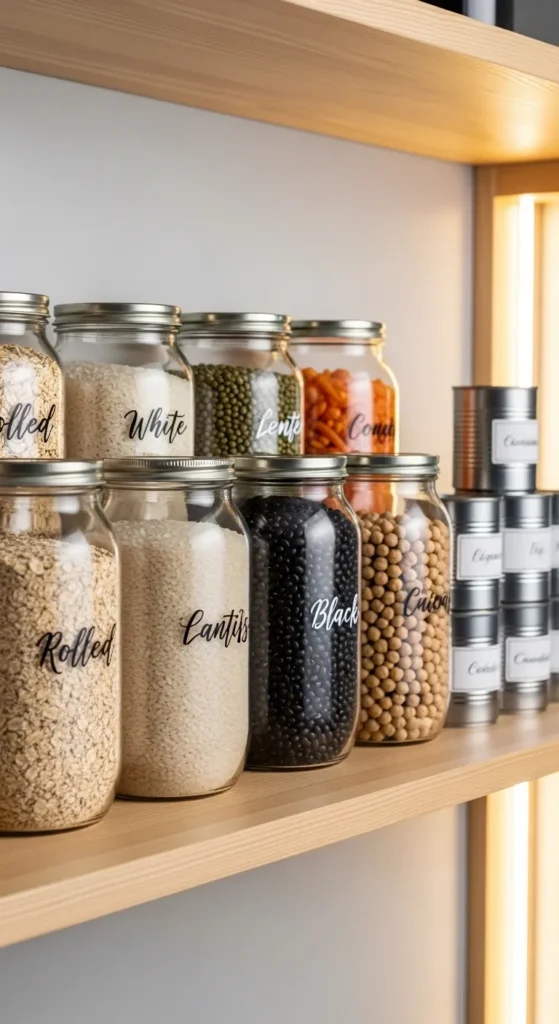
Build your meals around these basics, then add flavor with herbs, spices, and simple sauces.
Buy Smart at the Grocery Store
A few small changes at the store can make a big difference.
Shop with intention:
- Buy store brands instead of name brands
- Choose whole foods over packaged “diet” products
- Check price per unit, not just the sticker price
Frozen and canned foods are your secret weapons. Frozen vegetables are picked at peak freshness and often cheaper than fresh. Canned beans save time and money—just rinse them before using.
Seasonal produce is usually less expensive and tastes better, too.
Cook at Home (Without Overcomplicating It)
You don’t need gourmet skills to eat healthy on a budget.
Stick to simple cooking methods:
- Boiling
- Baking
- Stir-frying
- One-pan meals
Cook once, eat multiple times. Batch cooking saves money, energy, and time.
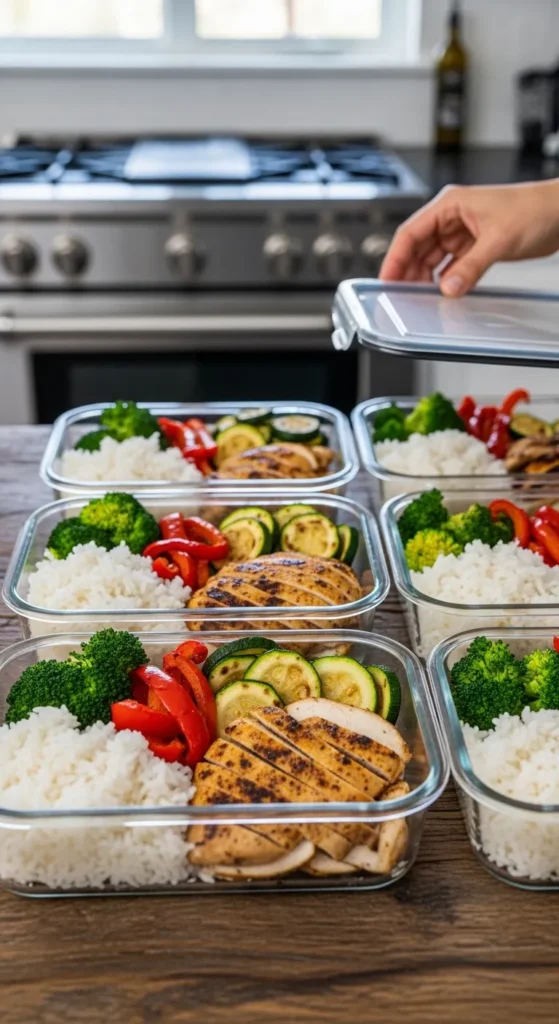
If cooking feels overwhelming, start small. One homemade meal a day is already a win.
Use Protein Wisely
Protein is often the most expensive part of a diet—but it doesn’t have to be.
Affordable protein ideas:
- Eggs
- Lentils and beans
- Canned fish alternatives (if preferred)
- Yogurt
- Tofu
- Chicken-style cuts bought in bulk
You don’t need large portions every meal. Balance smaller amounts of protein with grains and vegetables to stay full.
Tip:
Mix plant-based proteins with animal-based ones to save money without sacrificing nutrition.
Snack Smart, Not Pricey
Snacks can quietly drain your budget—especially packaged “healthy” ones.
Instead, try:
- Fruit with yogurt
- Homemade popcorn
- Boiled eggs
- Oat-based energy bites
- Veggies with simple dips

Making snacks at home costs less and keeps ingredients simple.
Avoid the “Diet Food” Trap
Foods labeled as “diet,” “low-calorie,” or “fitness” often cost more—and aren’t always better.
Whole foods do the job just fine:
- Plain oats instead of flavored packets
- Natural yogurt instead of sweetened versions
- Homemade meals instead of pre-made bowls
You’re paying for marketing, not magic.
Make Small Changes That Add Up
You don’t need a total lifestyle overhaul.
Small habits make healthy eating affordable long-term:
- Drink more water instead of buying drinks
- Cook an extra portion for tomorrow
- Freeze leftovers
- Repurpose ingredients across meals
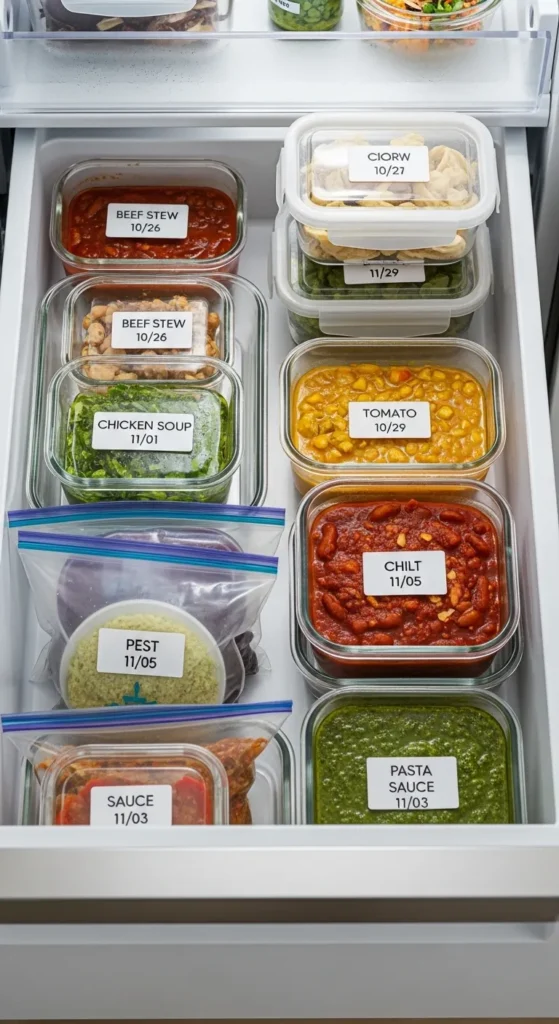
Progress beats perfection every time.
Final Takeaway
Eating diet food on a budget isn’t about restriction—it’s about smart choices. Simple planning, affordable staples, and home cooking can help you eat well without stress or overspending.
Start with one change this week. Then another. Your wallet—and your body—will thank you.
Save this guide for later and come back whenever you need budget-friendly motivation!

Leave a Reply