

Trying to lose weight doesn’t have to mean counting every calorie or giving up your favorite foods. The diet plate method is a simple, visual way to build balanced meals—no math required. You just look at your plate and make smart choices. Easy, right?
If you’ve ever felt overwhelmed by meal plans, this approach is about to become your new best friend. Let’s break it down step by step.
What Is the Diet Plate Method?
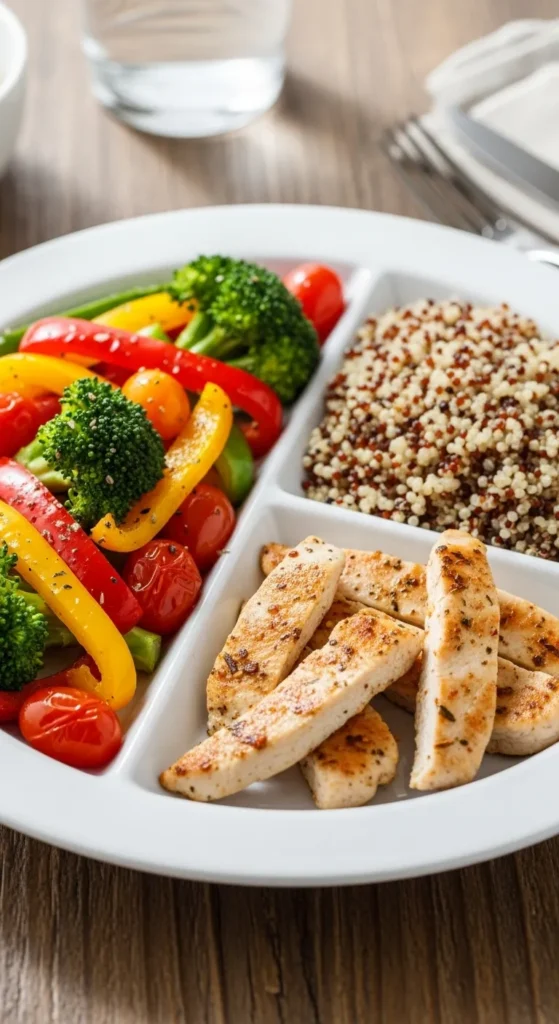
The diet plate method is a portion-control strategy that uses your plate as a guide. Instead of measuring food, you divide your plate into sections:
- ½ of the plate: Non-starchy vegetables
- ¼ of the plate: Lean protein
- ¼ of the plate: Whole grains or healthy carbs
This method helps you eat balanced meals that keep you full, energized, and satisfied—without overeating.
Why it works for weight loss:
- Encourages larger portions of low-calorie foods
- Keeps protein intake steady to support fullness
- Limits excess carbs without cutting them out completely
Step 1: Fill Half Your Plate With Vegetables
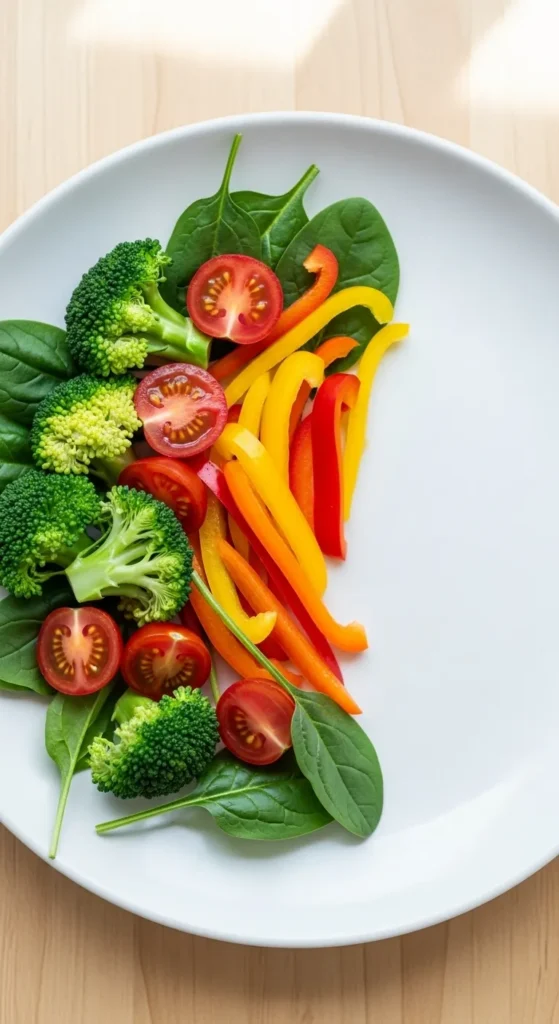
Vegetables are the star of the diet plate method. They’re low in calories, high in fiber, and packed with nutrients.
Think colorful and varied:
- Leafy greens
- Bell peppers
- Broccoli
- Tomatoes
- Zucchini
- Carrots
Tips to make this easier:
- Roast a big tray of veggies at the start of the week
- Keep frozen vegetables on hand for quick meals
- Season with herbs, spices, citrus, or garlic for flavor
The more vegetables you add, the less room there is for high-calorie extras.
Step 2: Add a Quarter Plate of Lean Protein
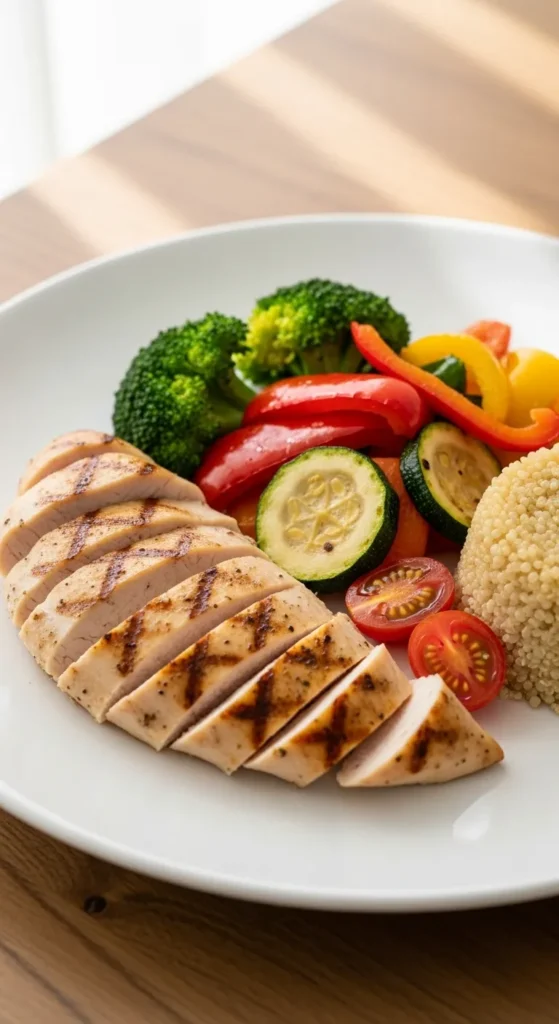
Protein helps you feel full longer and supports muscle while losing weight. Aim for a palm-sized portion.
Good options include:
- Eggs
- Fish
- Chicken breast
- Turkey
- Beans and lentils
- Tofu or tempeh
Helpful protein tips:
- Grill, bake, or sauté with minimal oil
- Mix plant-based proteins into meals for variety
- Spread protein evenly across meals, not just dinner
If you’re still hungry after eating, protein is often the missing piece.
Step 3: Finish With Whole Grains or Smart Carbs
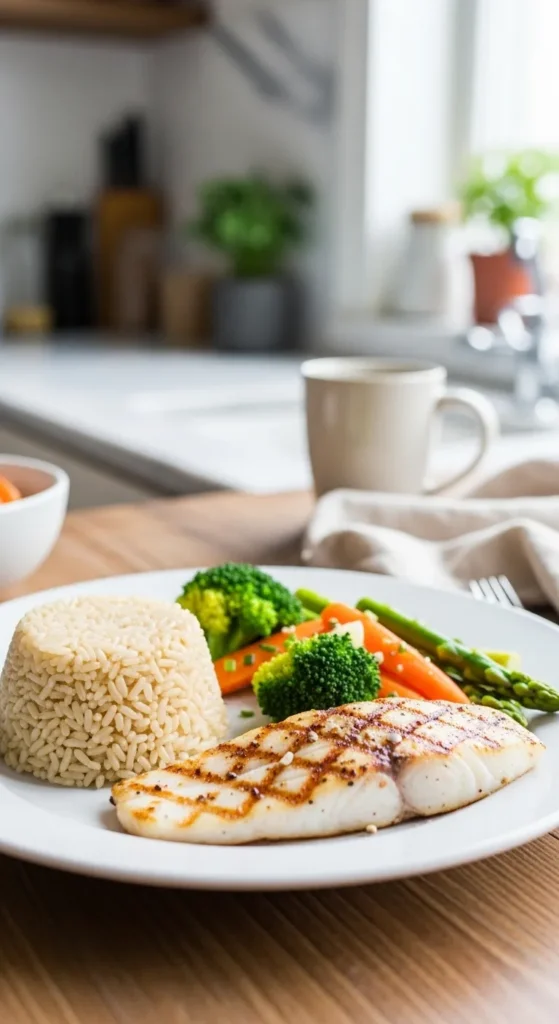
Carbs aren’t the enemy—they just need the right portion. One-quarter of your plate is plenty.
Choose whole, slow-digesting options:
- Brown rice
- Quinoa
- Oats
- Sweet potatoes
- Whole-grain pasta or bread
Portion control tips:
- Use your plate as the limit—no refills
- Start with smaller portions and adjust if needed
- Pair carbs with protein and fiber to avoid energy crashes
This balance helps keep cravings in check.
Step 4: Don’t Forget Healthy Fats (In Small Amounts)
Healthy fats add flavor and help you feel satisfied. They don’t get their own plate section, but they still matter.
Add small amounts of:
- Olive oil
- Nuts or seeds
- Avocado
- Nut butter
Think drizzle, sprinkle, or slice—not heavy pours.
Step 5: Make It Work for Real Life
The beauty of the diet plate method is flexibility. You can use it at home, at restaurants, or even at gatherings.
Try these real-life tips:
- Use a standard dinner plate (not oversized)
- Start meals by filling the veggie half first
- If eating out, mentally divide your plate before you start
- Eat slowly and stop when comfortably full
No perfection required. Consistency beats strict rules every time.
Common Mistakes to Avoid
Even simple methods have pitfalls.
Watch out for these:
- Skipping vegetables and doubling protein instead
- Overloading carbs “just this once” too often
- Forgetting snacks still count toward balance
- Eating straight from containers instead of plating food
When in doubt, go back to the plate visual.
Why the Diet Plate Method Is So Sustainable
Unlike strict diets, this method teaches habits you can keep long-term. You’re learning how to build meals—not follow temporary rules.
Benefits include:
- Less decision fatigue
- More balanced nutrition
- Easier portion control
- A healthier relationship with food
It’s simple enough to stick with, and that’s what makes weight loss last.
Final Takeaway
The diet plate method proves that weight loss doesn’t have to be complicated. By filling half your plate with vegetables, balancing protein and carbs, and keeping portions in check, you can enjoy meals and still move toward your goals.
Save this guide for later and try building your next meal using the plate method—you might be surprised how easy healthy eating can feel.
Leave a Reply