

Mornings can be chaotic. You’re rushing out the door, coffee in hand, and suddenly lunch becomes an afterthought. That’s usually when vending machines and takeout menus sneak in. Packing a diet lunch box for work doesn’t have to be boring or time-consuming—it just needs a little planning and a few smart habits.
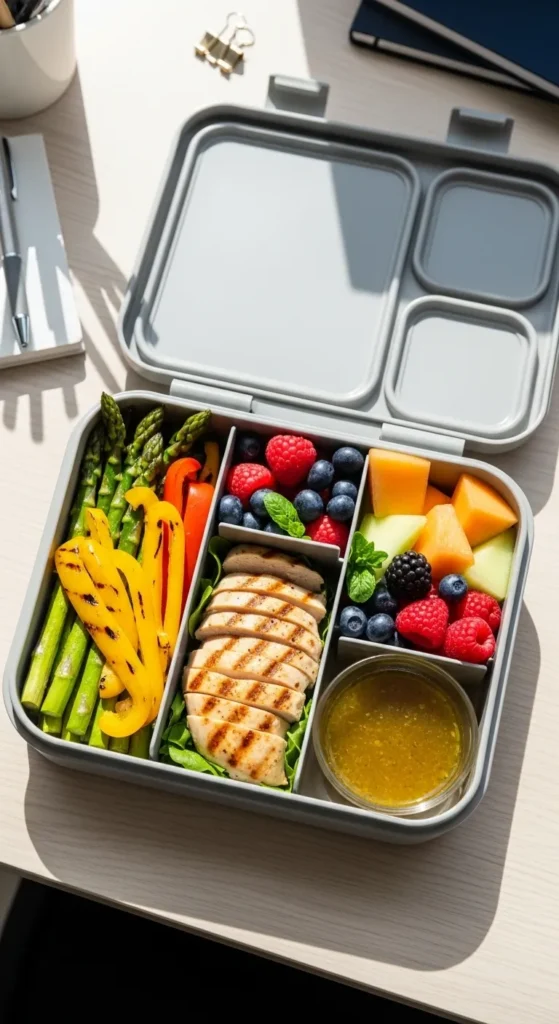
The goal? A lunch that keeps you full, energized, and satisfied—without feeling like a chore. Let’s break it down step by step.
Start With a Simple Plan (Not a Strict Rulebook)
Diet lunches work best when they’re flexible. Instead of following complicated meal plans, think in building blocks you can mix and match.
A balanced diet lunch box usually includes:
- Lean protein to keep you full
- Fiber-rich carbs for steady energy
- Healthy fats for flavor and satisfaction
- Lots of color from veggies or fruit
You don’t need perfection. You need consistency.
Quick planning tip:
Pick 2–3 proteins, 2 carb options, and 3–4 veggies for the week. Rotate them to avoid boredom.
Choose Proteins That Travel Well
Protein is the backbone of any diet-friendly lunch. The key is choosing options that stay fresh and taste good even hours later.
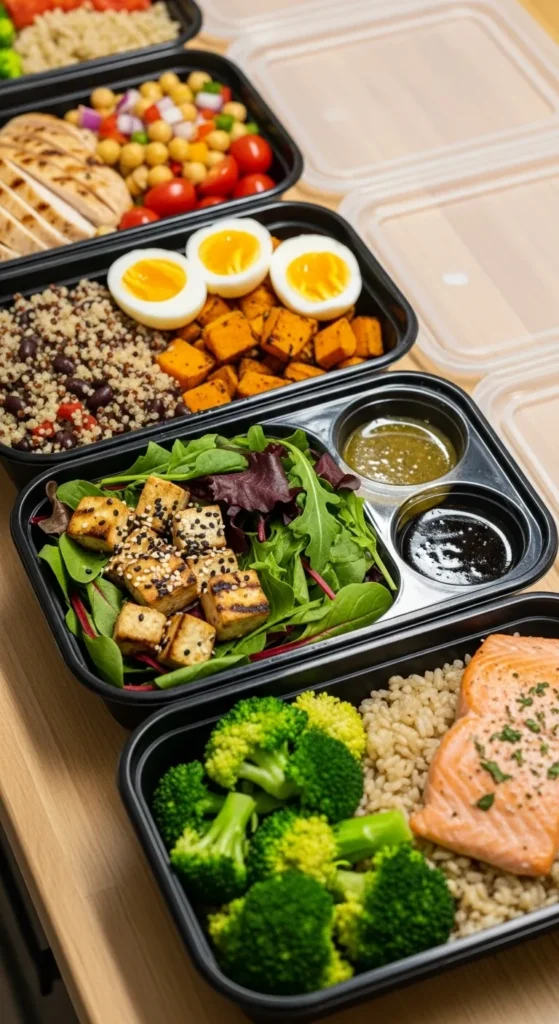
Great work-lunch protein ideas:
- Grilled or baked chicken breast
- Hard-boiled eggs
- Lentils or chickpeas
- Tofu or paneer cubes
- Greek-style yogurt (plain or lightly seasoned)
- Beans mixed into salads or grain bowls
Portion tip:
Aim for a palm-sized serving. Enough to satisfy, not overload.
Build Your Lunch Box the Smart Way
Instead of tossing everything together, think in sections. This makes your lunch more appealing and helps with portion control.
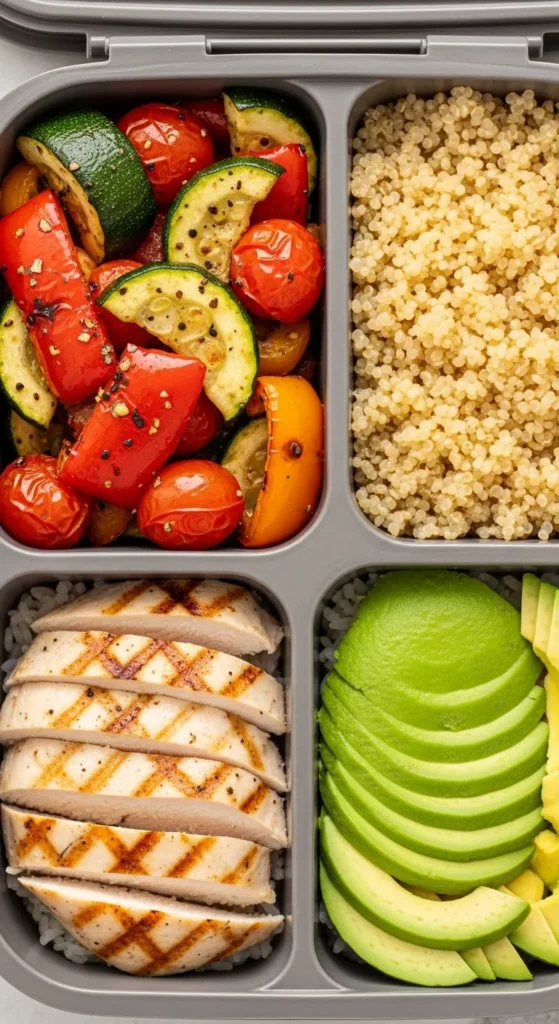
Try this easy structure:
- Half the box: Vegetables (raw, roasted, or lightly sautéed)
- One quarter: Protein
- One quarter: Carbs like brown rice, quinoa, or whole-grain flatbread
- Small corner: Healthy fats like nuts, seeds, or avocado slices
This setup keeps meals balanced without counting every bite.
Prep Once, Eat All Week
The secret to sticking with diet lunches is reducing daily effort. A short prep session once or twice a week can save you hours.
Easy weekly prep ideas:
- Roast a big tray of mixed vegetables
- Cook a batch of grains and store in airtight containers
- Wash and chop salad greens
- Portion snacks like nuts or fruit ahead of time
Store everything separately. Each morning, you just assemble and go.
Time saver:
Use clear containers so you can see what’s ready—out of sight usually means unused.
Don’t Forget Snacks (They Matter More Than You Think)
Skipping snacks often leads to overeating later. A smart snack keeps your energy steady through long meetings and late afternoons.
Diet-friendly snack ideas:
- Fresh fruit with nut butter
- Yogurt with seeds
- Roasted chickpeas
- A small handful of mixed nuts
- Veggie sticks with hummus
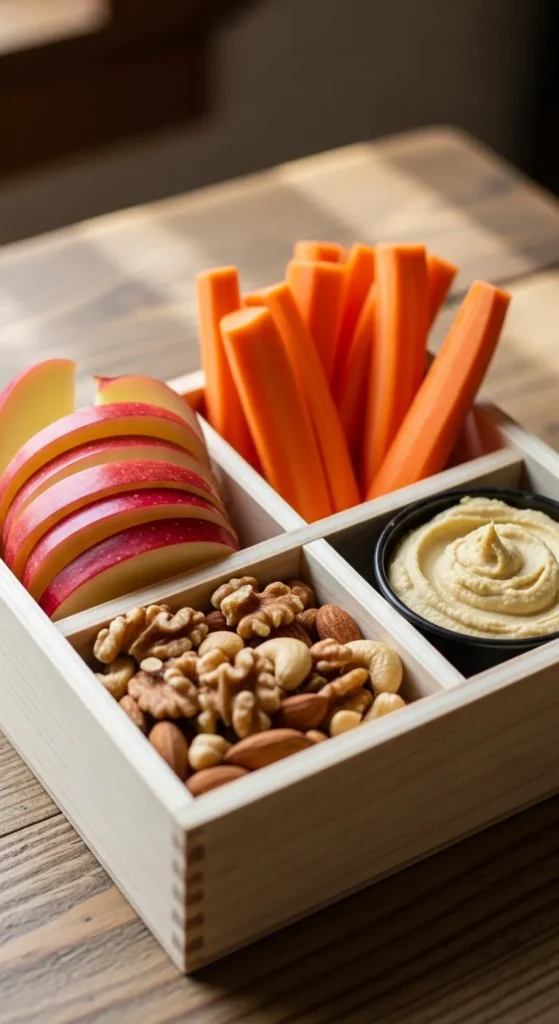
Pack snacks separately so they don’t mix with your main meal—and so you’re less tempted to grab something random.
Keep Flavors Interesting Without Extra Calories
Bland food is the fastest way to quit packing lunch. Flavor doesn’t have to mean heavy sauces.
Try these instead:
- Lemon juice and herbs
- Yogurt-based dressings
- Spice blends
- Garlic, ginger, or chili flakes
- Vinegar-based sauces (in small amounts)
Pro tip:
Pack dressings in tiny containers. This keeps food fresh and prevents sogginess.
Make It Feel Like a Treat, Not a Diet
Your lunch should be something you look forward to. Use colors, textures, and variety to make it feel special—even on a workday.
Small upgrades that make a difference:
- Use a lunch box you actually like
- Add one “fun” item like dark chocolate squares or homemade energy bites
- Switch between warm and cold lunches
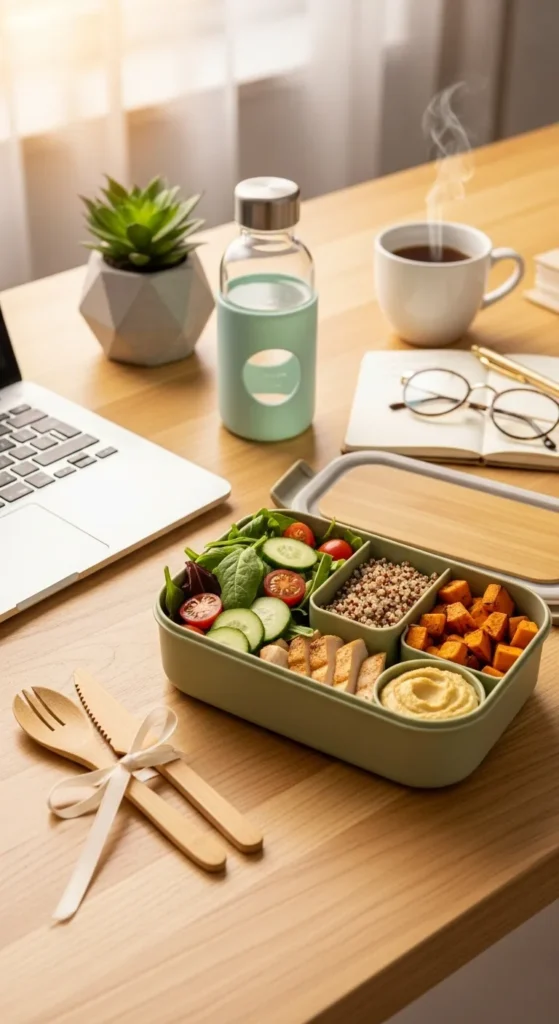
When lunch feels enjoyable, you’re more likely to stick with healthy habits.
Final Takeaway
Packing diet lunch boxes for work isn’t about restriction—it’s about preparation. A little planning turns rushed mornings into calm routines and helps you stay energized all day.
Start simple. Prep ahead. Keep flavors exciting.
Save this guide for later and make your work lunches something you actually enjoy.

Leave a Reply