

If you’ve ever felt confused about what a “weight loss meal” actually looks like, you’re not alone. Fat loss isn’t about eating tiny portions or bland food—it’s about building meals that work with your body, not against it. When your plate is balanced, satisfying, and flavorful, staying consistent suddenly feels doable instead of draining.
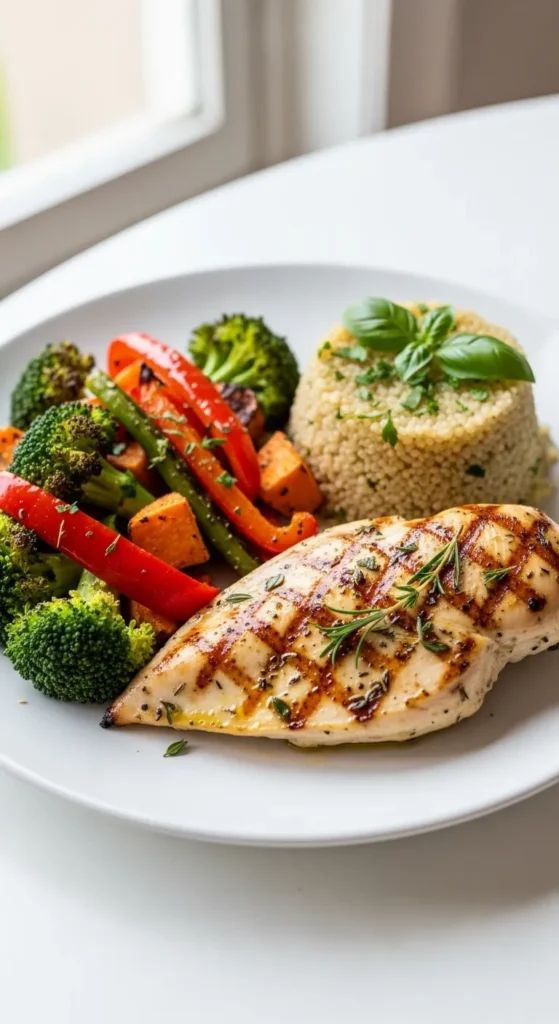
The good news? You don’t need complicated rules or extreme plans. With a few simple building blocks, you can create meals that support fat loss while still feeling filling and enjoyable. Let’s break it down step by step.
Start With a Protein Anchor
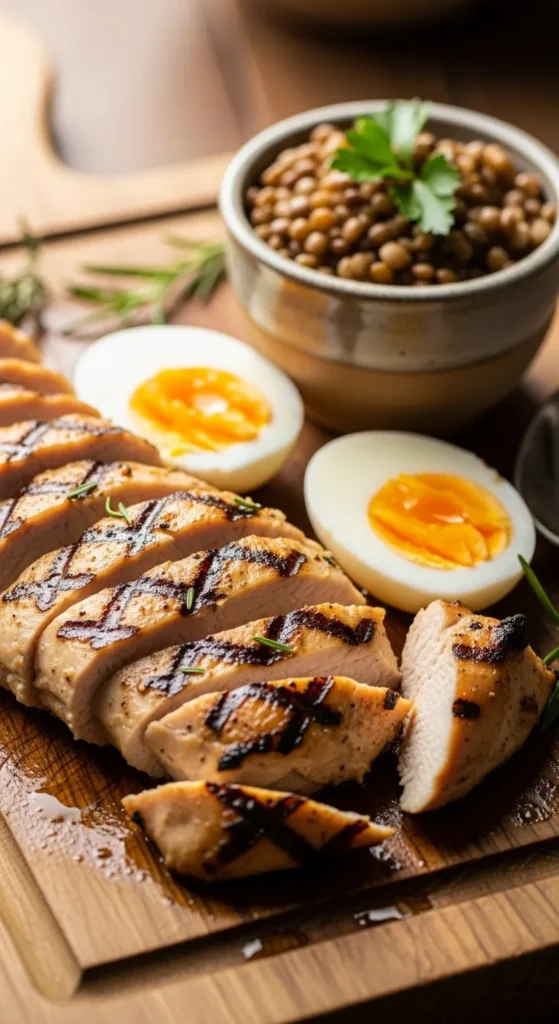
Protein is the foundation of any fat-loss-friendly meal. It helps you feel full longer, supports muscle, and keeps cravings in check.
Aim to build every meal around a solid protein source first, then add the rest of your ingredients around it.
Great everyday protein options include:
- Grilled or baked chicken
- Eggs or egg whites
- Fish like salmon or tuna
- Greek-style yogurt or cottage cheese
- Lentils, chickpeas, or tofu for plant-based meals
A helpful visual guide: protein should take up about one-quarter of your plate.
Tip:
If a meal feels unsatisfying, it’s often missing enough protein—not flavor.
Fill Half Your Plate With Fiber-Rich Vegetables
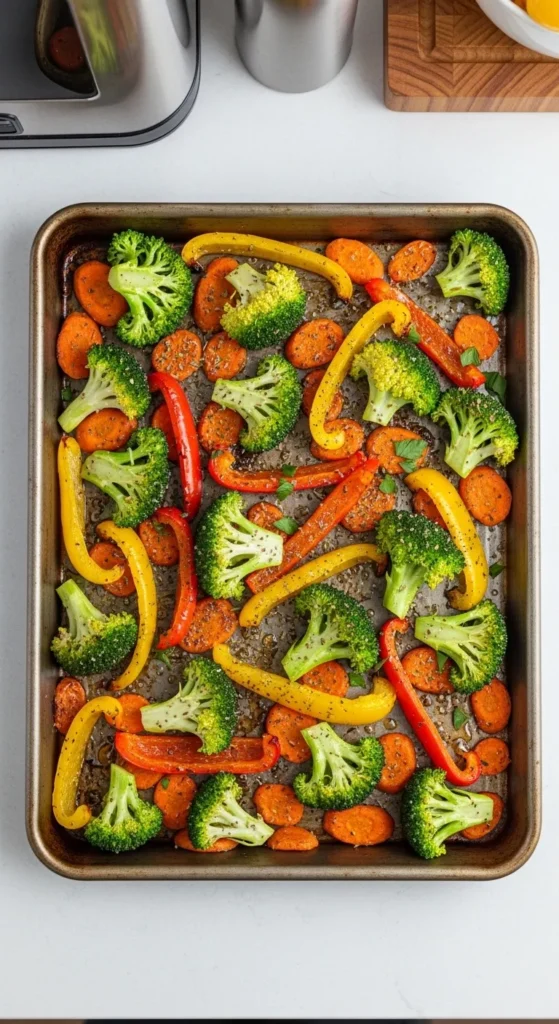
Vegetables are a fat loss secret weapon. They add volume, color, and nutrients without adding many calories, which means you can eat more while still supporting your goals.
Focus on:
- Leafy greens (spinach, arugula, lettuce)
- Cruciferous vegetables (broccoli, cauliflower, cabbage)
- Colorful options (bell peppers, carrots, zucchini)
Roasting, sautéing, or lightly seasoning vegetables makes them far more enjoyable than plain steaming.
Why this works:
High-fiber foods slow digestion, helping you stay full between meals and reducing unnecessary snacking.
Add Smart Carbs Without Fear
Carbohydrates often get blamed during weight loss, but the right carbs can actually support fat loss by fueling your body and workouts.
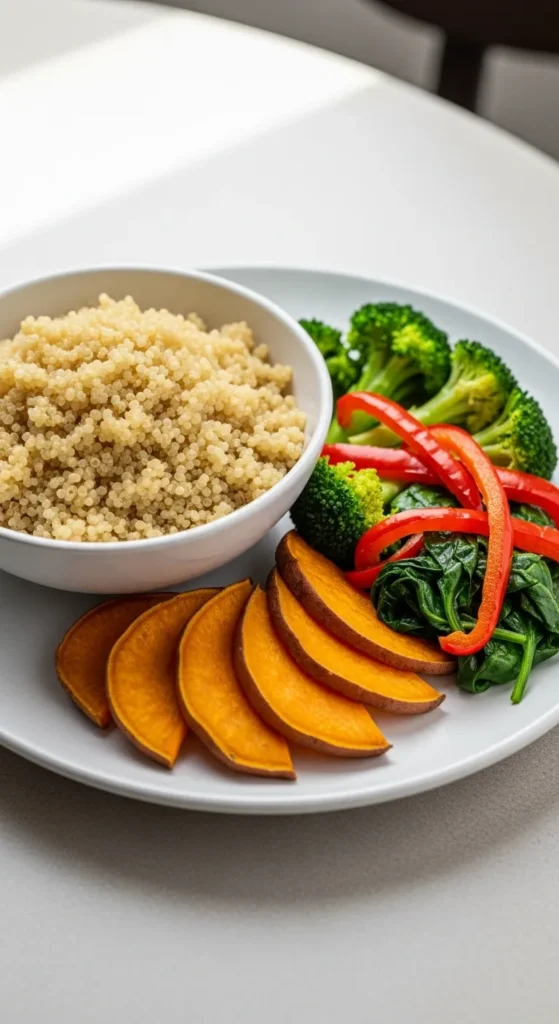
Instead of cutting carbs entirely, choose slow-digesting, whole-food sources:
- Brown rice or quinoa
- Sweet potatoes
- Oats
- Beans and legumes
Think of carbs as a supporting player, not the star. A small portion goes a long way.
A simple portion guide:
- About ½ to 1 cup cooked carbs per meal, depending on activity level
Don’t Skip Healthy Fats
Fat adds flavor and satisfaction, which makes meals easier to stick with long term. The key is using fats intentionally rather than accidentally.
Healthy fat sources include:
- Olive oil
- Avocado
- Nuts and seeds
- Nut butters (measured, not poured)
You don’t need much—just enough to enhance taste and fullness.
Try this:
Drizzle olive oil after cooking instead of during. You’ll use less while still getting the flavor.
Build Your Plate Using the “Balanced Meal Formula”
When you’re short on time, this simple formula makes meal-building almost automatic:
- ¼ plate protein
- ½ plate vegetables
- ¼ plate carbs
- Small amount of healthy fat
This structure works for breakfast, lunch, and dinner—and it’s flexible enough for almost any cuisine.
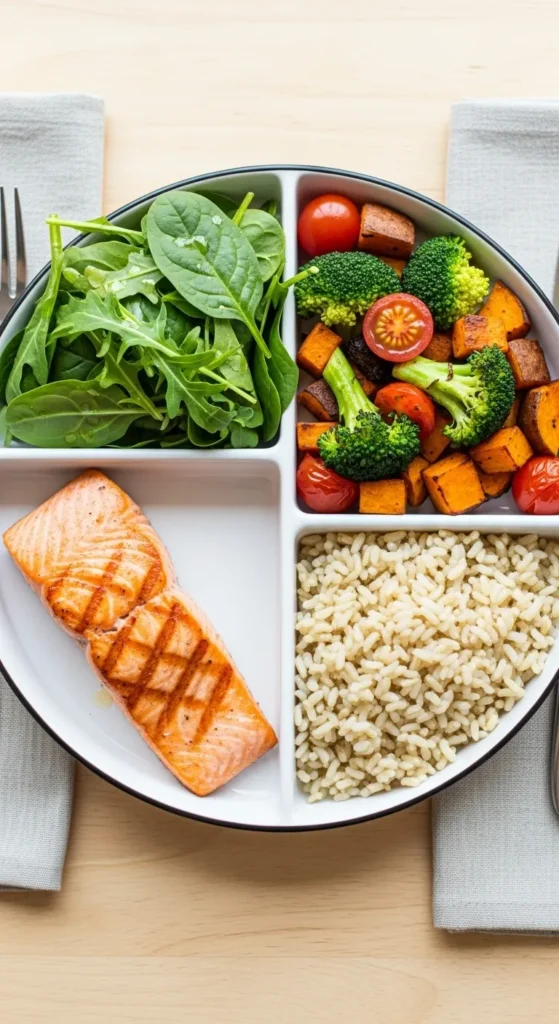
Once you get used to this format, you’ll start building better meals without overthinking it.
Flavor Matters More Than You Think
Meals that support fat loss shouldn’t feel boring. Flavor keeps you consistent, and consistency is what delivers results.
Boost flavor with:
- Herbs and spices
- Citrus juice or zest
- Garlic, ginger, or onion
- Yogurt-based sauces or simple dressings
When food tastes good, you’re less likely to feel deprived or reach for snacks later.
Plan Once, Eat Well All Week
One of the easiest ways to stay on track is light meal planning. You don’t need a strict schedule—just a rough idea.
Try this simple approach:
- Pick 2–3 proteins for the week
- Choose 3–4 vegetable options
- Prep one carb base in advance
Mix and match throughout the week to avoid boredom while saving time.
Final Takeaway
Building weight loss meals doesn’t require perfection—just intention. When you focus on protein, fiber-rich vegetables, smart carbs, and simple flavors, your meals naturally support fat loss while still feeling satisfying.
Save this guide for later and use it as a quick reference the next time you’re planning a meal. Small, balanced choices add up faster than you think.

Leave a Reply