

Portion control doesn’t have to mean tiny plates, constant hunger, or complicated measuring tools. With the right diet foods and a few smart habits, you can feel satisfied while naturally eating the right amount for your body. The goal isn’t restriction—it’s balance, awareness, and foods that work with you, not against you.
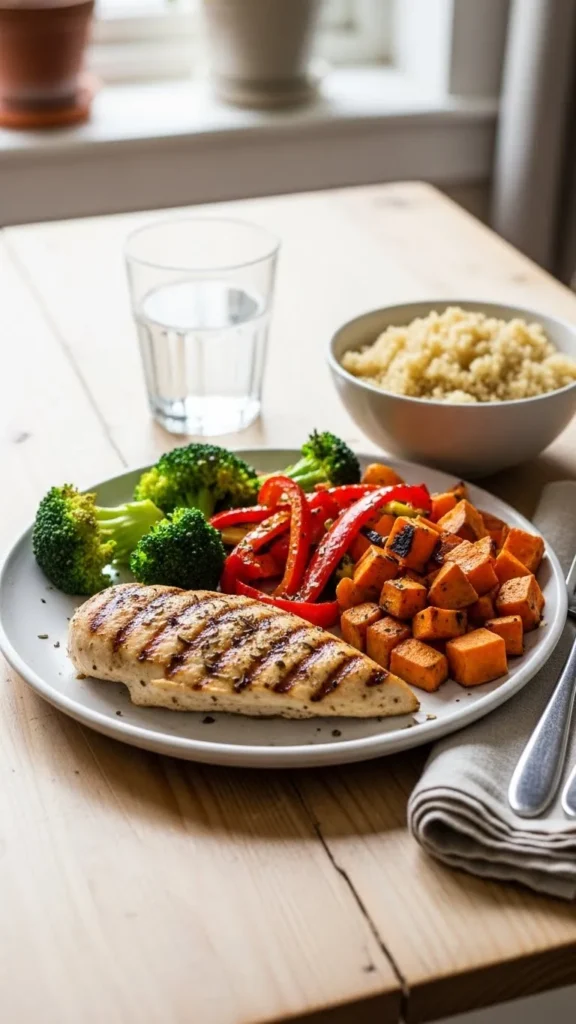
Below, you’ll find easy, realistic ways to control portions using diet-friendly foods you can enjoy every day.
Why Portion Control Feels Hard (and How Diet Foods Help)
Most portion struggles come from two things:
- High-calorie foods that don’t keep you full
- Eating without visual or physical cues
Diet foods—especially those high in protein, fiber, and water—solve both problems.
They:
- Take up more space on your plate
- Slow digestion
- Help you recognize fullness sooner
Instead of eating less food, you’re eating smarter food.
Start With Volume-Based Foods
Volume-based eating means choosing foods that look generous on your plate but are naturally lower in calories.
Think:
- Leafy greens
- Zucchini, cucumber, tomatoes
- Broccoli, cauliflower, carrots
- Fresh fruit with high water content
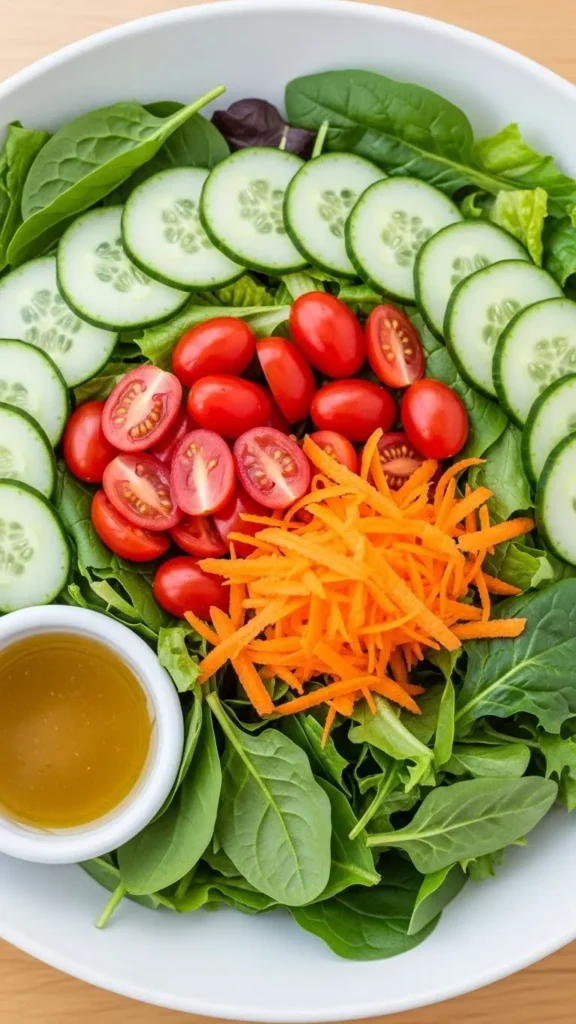
How this helps portion control:
- Your plate looks full, so your brain feels satisfied
- You can eat a larger portion without overeating
Simple tip:
Fill at least half your plate with vegetables at lunch and dinner.
Use Protein as Your Portion Anchor
Protein is one of the easiest ways to control portions because it increases fullness and reduces cravings later.
Good diet-friendly protein options:
- Eggs
- Greek-style yogurt
- Beans and lentils
- Grilled poultry or fish
- Cottage-style cheese
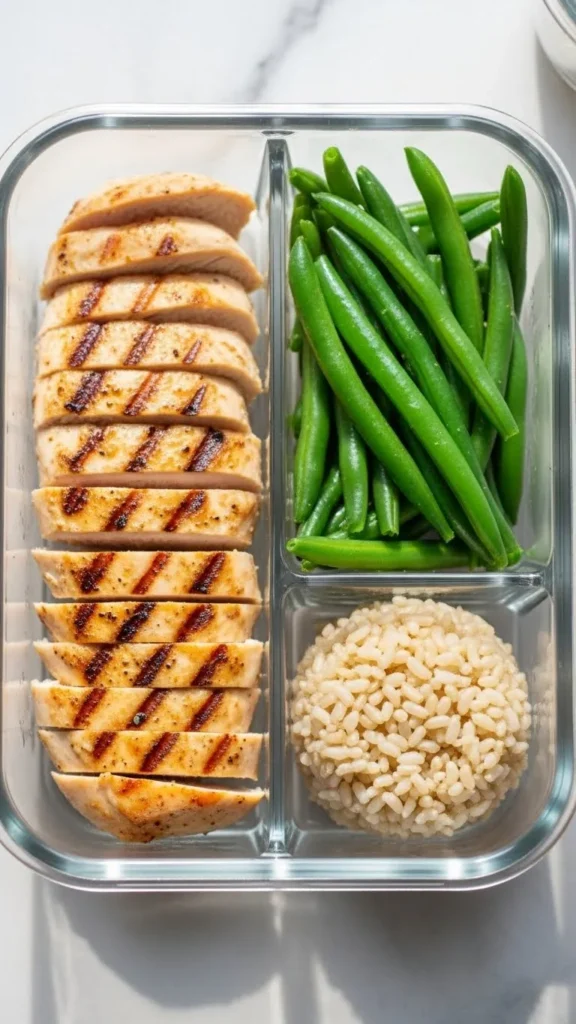
Easy portion guide:
- Aim for a protein portion about the size of your palm
- Build the rest of the meal around it
When protein is balanced, you’re less likely to go back for seconds.
Switch to Smaller Plates (Without Feeling Deprived)
This classic trick works because your eyes play a huge role in how full you feel.
- A full small plate feels more satisfying than a half-empty large plate
- You’re less likely to overserve without realizing it
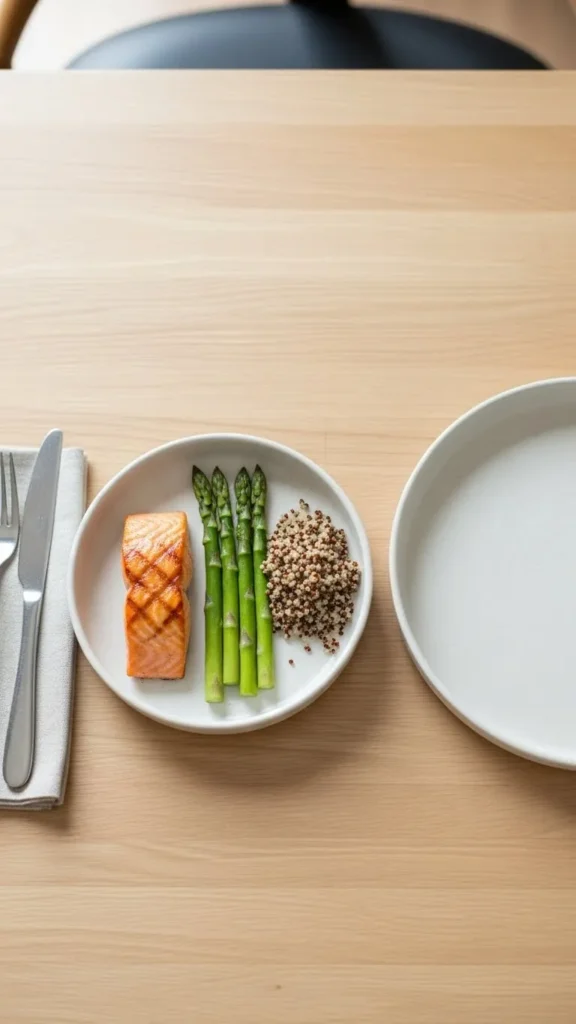
Make it work:
- Use salad plates for main meals
- Serve food in the kitchen instead of family-style on the table
You’ll still enjoy your meal—just in a more controlled amount.
Build Meals With the “Balanced Plate” Method
Instead of counting calories, use visual balance.
A simple formula:
- ½ plate: vegetables
- ¼ plate: protein
- ¼ plate: smart carbohydrates (whole grains, beans, or starchy vegetables)
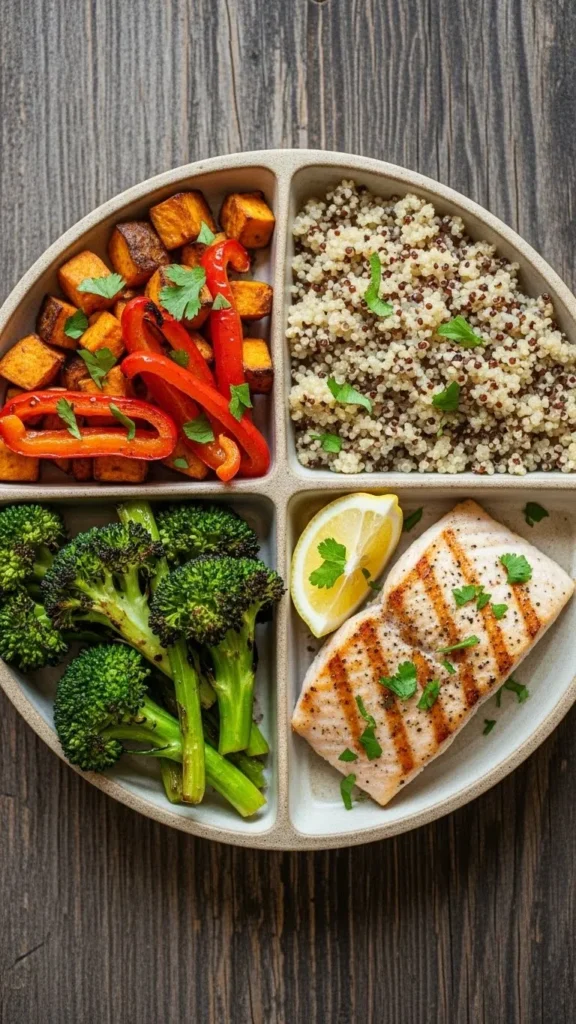
This structure naturally limits portions while keeping meals satisfying and realistic.
Eat Slowly and Let Fullness Catch Up
Diet food works best when you give your body time to respond.
Try this:
- Put your fork down between bites
- Take sips of water during the meal
- Check in with yourself halfway through
Often, portion control improves simply because you stop eating when you’re comfortably full—not stuffed.
Pre-Portion Snacks Before You Need Them
Snacking is where portions often get out of control—not because of hunger, but because of convenience.
Instead of eating straight from the package:
- Pre-portion snacks into small containers
- Choose foods with fiber and protein
Good options:
- Fruit with yogurt
- Nuts measured into small servings
- Vegetables with hummus
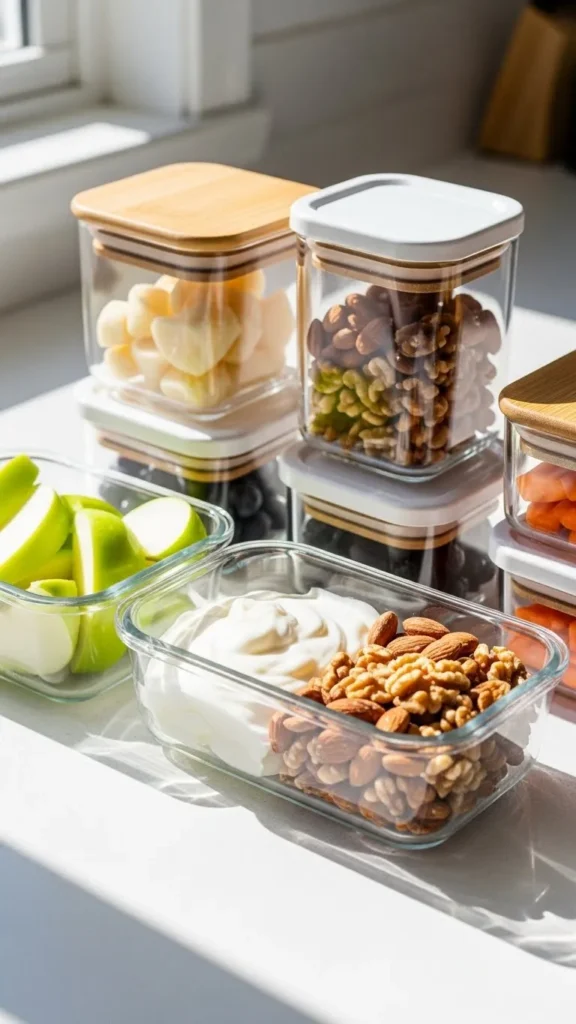
When snacks are already portioned, decisions become effortless.
Make Diet Food Look and Feel Enjoyable
You’re more likely to stick with portion control when meals feel satisfying—not “diet-like.”
Simple upgrades:
- Add herbs, spices, and citrus
- Mix textures (crunchy vegetables + creamy sauces)
- Use warm, comforting cooking methods like roasting or sautéing
Enjoyment slows eating and improves satisfaction, which naturally supports better portions.
The Big Takeaway
Portion control doesn’t mean eating less food—it means choosing foods that help you eat the right amount without stress. By focusing on volume, protein, visual balance, and simple habits, diet food becomes a tool for freedom, not restriction.
Start with one or two changes, keep it realistic, and let consistency do the work.
Save this guide for later and come back anytime you need a gentle reset on portion control!
Leave a Reply