

Eating “diet food” shouldn’t feel like a punishment. It shouldn’t be bland, tiny, or leave you hungry an hour later. The truth is, healthy cooking is less about strict rules and more about smart choices that keep flavor front and center. Once you learn a few simple techniques, diet-friendly meals can feel satisfying, comforting, and easy enough for everyday life.
Below is a realistic, stress-free approach to cooking diet food the healthy way—without complicated ingredients or boring plates.
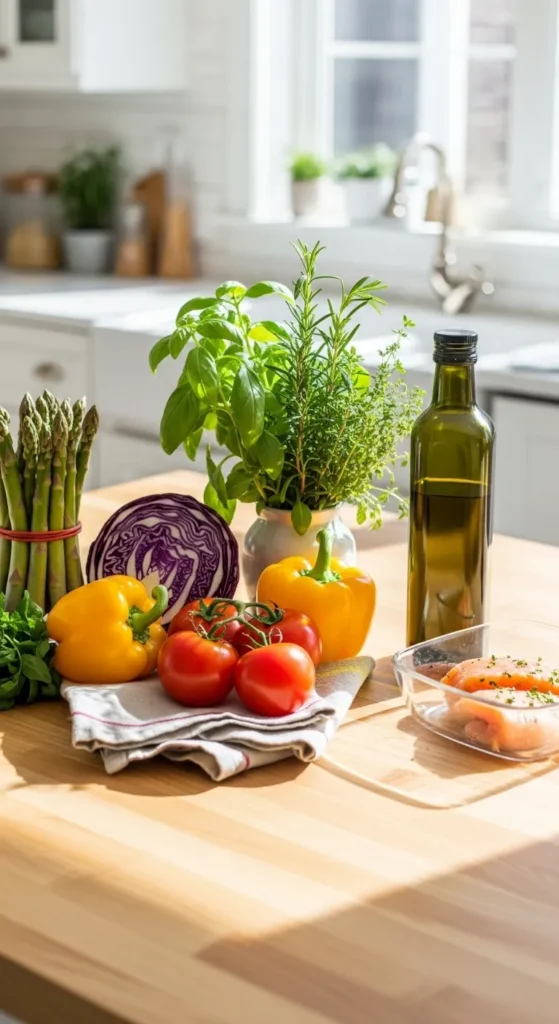
Start With Real, Simple Ingredients
Healthy cooking begins before you turn on the stove. The quality and balance of your ingredients matter more than fancy techniques.
Focus on:
- Lean proteins like chicken, fish, eggs, lentils, or beans
- Colorful vegetables for volume and nutrients
- Whole grains in reasonable portions
- Healthy fats used intentionally, not excessively
Instead of cutting foods out completely, think in terms of swaps. Choose what fuels your body while still tasting good.
Helpful mindset shifts:
- Fresh beats packaged whenever possible
- Fewer ingredients usually mean more control
- Flavor comes from seasoning, not heaviness
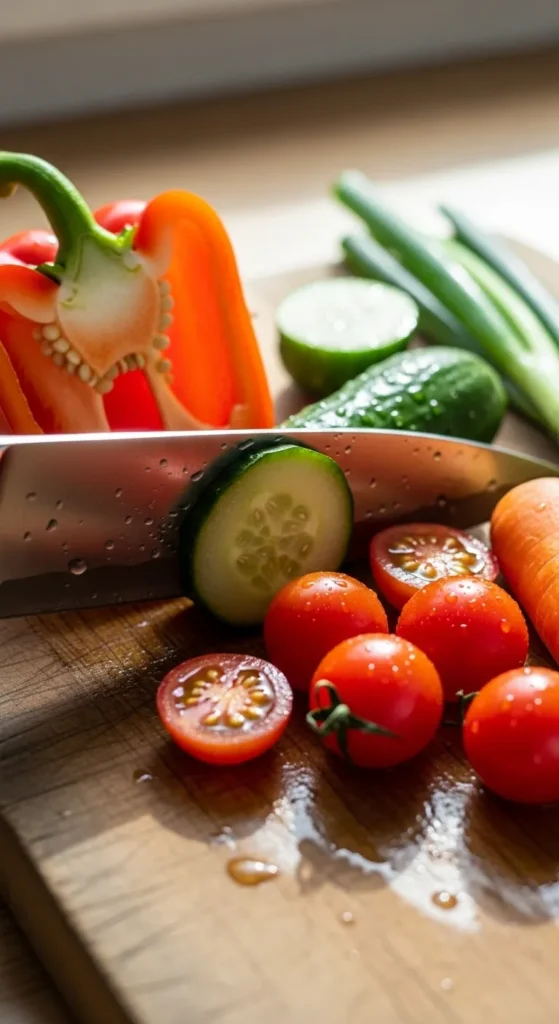
Use Cooking Methods That Keep Meals Light
How you cook your food can change everything. Some methods naturally keep calories lower while locking in flavor.
Try these go-to techniques:
- Grilling or roasting to enhance natural taste
- Sautéing with a small amount of oil instead of deep cooking
- Steaming vegetables, then finishing with seasoning
- Baking proteins for even cooking without extra fat
A good rule of thumb: if oil is pooling in the pan, you’re using too much. A light brush or spray is usually enough.
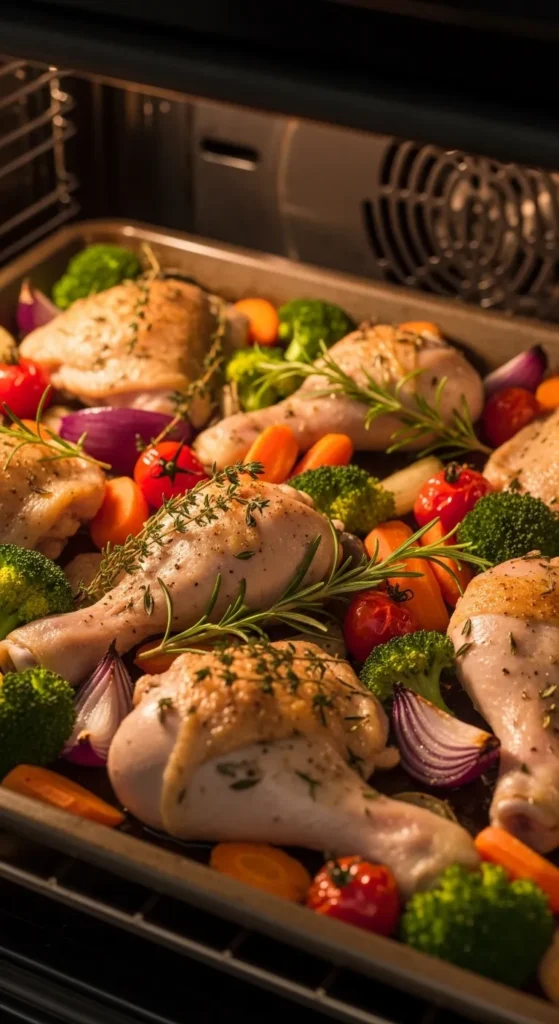
Build Flavor Without Heavy Add-Ons
Diet food only tastes boring when flavor is ignored. You don’t need rich sauces or processed extras to make meals enjoyable.
Boost flavor with:
- Garlic, onions, and fresh herbs
- Citrus zest or juice for brightness
- Spices like paprika, cumin, or black pepper
- Simple homemade sauces made with yogurt, herbs, or blended vegetables
Season as you cook, not just at the end. This layers flavor naturally and keeps food tasting full, not flat.
Quick tip: roast spices briefly in a dry pan before adding them. This wakes them up and makes meals smell incredible.
Watch Portions Without Obsessing
Healthy eating isn’t about tiny plates. It’s about balance.
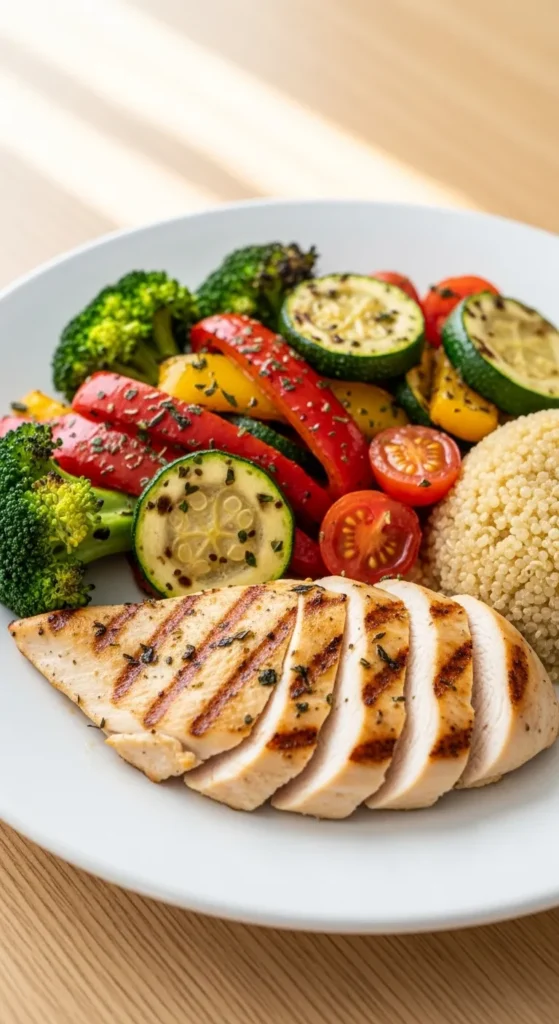
A simple visual guide:
- Half your plate: vegetables
- One quarter: protein
- One quarter: whole grains or starchy vegetables
Eating this way keeps meals filling and prevents that “still hungry” feeling that leads to snacking later.
Slow down when you eat. Diet food feels more satisfying when you actually enjoy it instead of rushing through the meal.
Make Healthy Cooking Easy to Repeat
The best diet meals are the ones you’ll actually make again. Keep your routine realistic.
Ideas that help:
- Prep vegetables once for multiple meals
- Cook extra protein to reuse later
- Keep go-to spice blends on hand
- Rotate a few favorite meals instead of chasing perfection
Healthy cooking doesn’t need daily creativity. Consistency matters more than variety.
When meals feel simple, you’re far more likely to stick with them long term.
Don’t Forget Presentation Matters
We eat with our eyes first. A little effort in plating can make diet food feel special instead of restrictive.
Try:
- Adding fresh herbs on top
- Using colorful vegetables for contrast
- Serving meals on real plates instead of containers
When food looks good, it feels more satisfying—even before the first bite.
Final Takeaway
Cooking diet food the healthy way is about smart methods, simple ingredients, and building flavor intentionally. You don’t need extremes, rules, or boring meals to eat well. Small changes add up, and once you find your rhythm, healthy cooking becomes second nature.
Save this guide for later, and start turning everyday meals into something your body and taste buds both appreciate.
Leave a Reply