

Low-carb eating sounds great… until hunger hits an hour later. If you’ve ever stared into the fridge wondering why you’re still hungry after a “healthy” meal, you’re not alone. The good news? Low-carb meals don’t have to feel light, boring, or unsatisfying. With the right approach, they can be deeply filling, comforting, and crave-worthy.
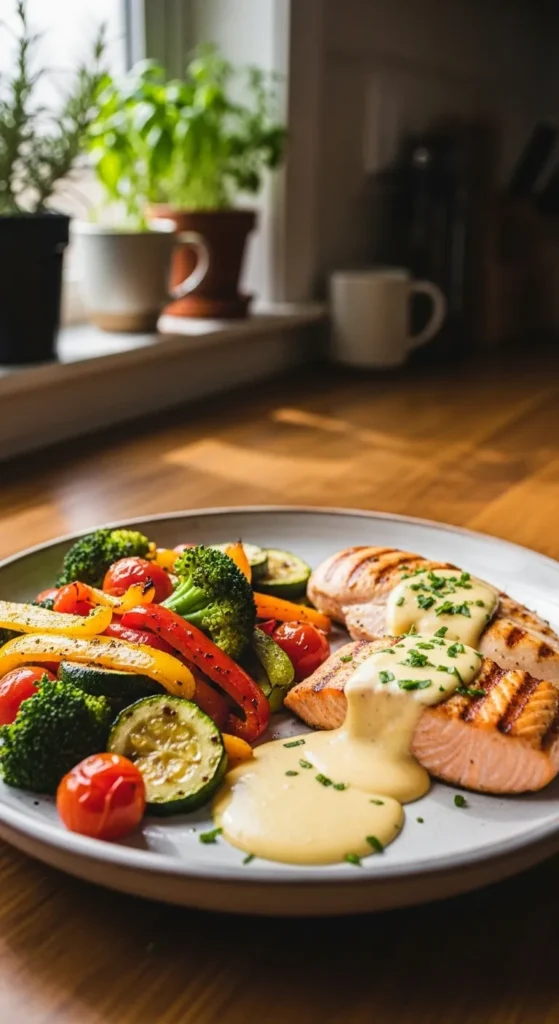
The secret isn’t eating less — it’s eating smarter. Let’s break down exactly how to cook low-carb meals that keep you full and happy.
Focus on Protein First (It’s Your Hunger Anchor)
Protein is the backbone of satisfying low-carb meals. It slows digestion, supports muscle, and helps prevent energy crashes.
When planning a meal, start by asking:
“What’s my main protein?”
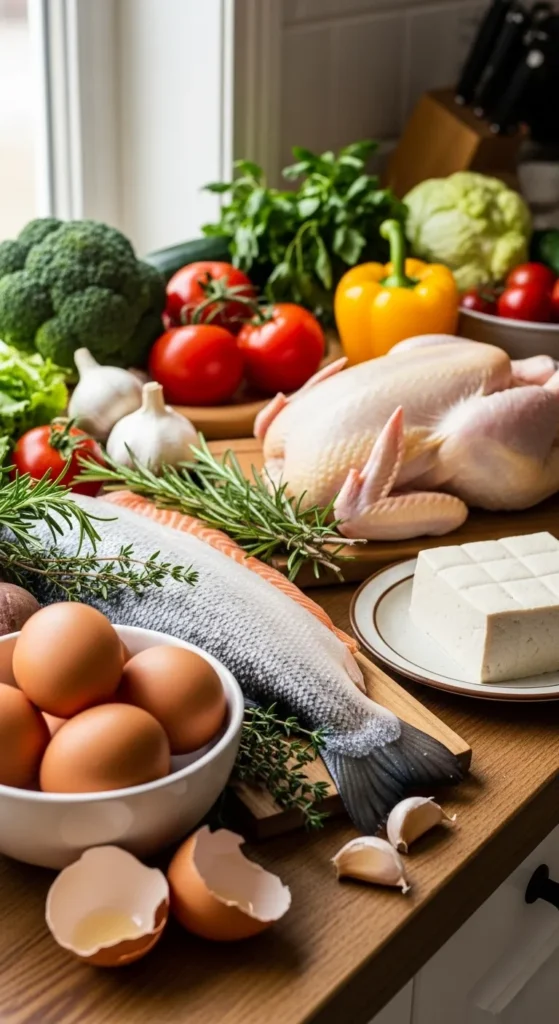
Great low-carb protein options include:
- Eggs (scrambled, baked, or folded into veggie dishes)
- Chicken breast or thighs
- Fish like salmon or white fish
- Lean ground meat
- Tofu or tempeh for plant-based meals
A helpful rule of thumb:
Every meal should feel protein-centered, not carb-centered.
Don’t Fear Healthy Fats (They Keep You Full)
Many people struggle with hunger on low-carb diets because they cut carbs and fat at the same time. That’s a recipe for constant snacking.
Healthy fats add richness and satisfaction to meals.
Use fats intentionally, not excessively:
- Olive oil for cooking and drizzling
- Avocado slices or mashed spreads
- Nuts and seeds for crunch
- Full-fat dairy like yogurt or cheese (if tolerated)
Fats help meals feel complete and prevent that “something’s missing” feeling.
Tip:
If your meal feels dry or boring, it probably needs a bit more fat.
Build Volume With Low-Carb Vegetables
Low-carb doesn’t mean low-volume. Vegetables add bulk, fiber, and texture — all key for fullness.
Best filling, low-carb veggies:
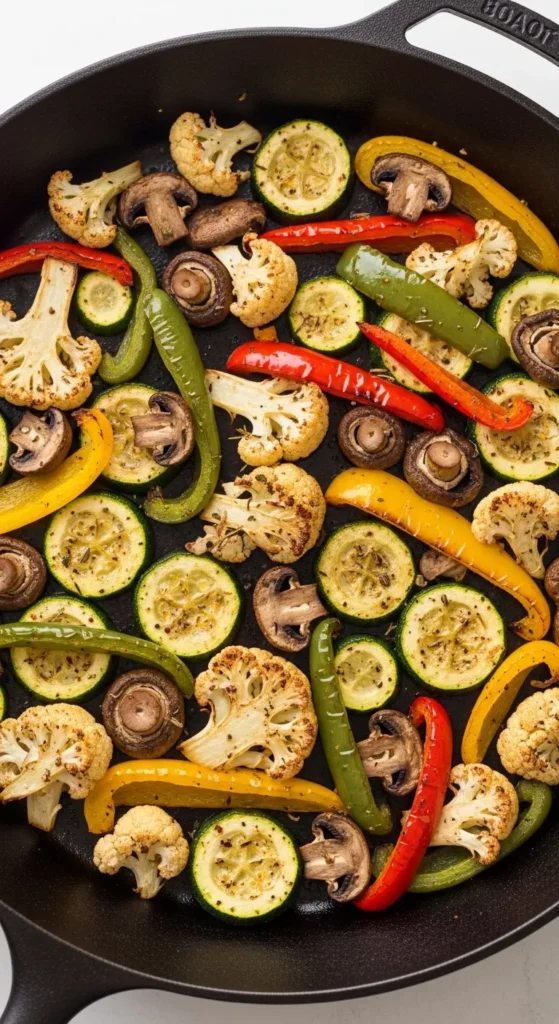
- Zucchini
- Cauliflower
- Broccoli
- Spinach
- Mushrooms
- Bell peppers
Instead of shrinking your plate, expand it with vegetables prepared in satisfying ways:
- Roast them until caramelized
- Sauté with garlic and herbs
- Blend into creamy soups or purées
Cook With Texture and Flavor in Mind
Hunger isn’t just physical — it’s sensory. If your meal lacks texture or flavor, your brain won’t feel satisfied.
Add contrast:
- Crispy + creamy
- Warm + fresh
- Soft + crunchy
Easy ways to boost satisfaction:
- Finish dishes with chopped herbs
- Add crunchy toppings like toasted seeds
- Use spices generously (smoked paprika, garlic, cumin, chili flakes)
Low-carb meals should feel indulgent, not restrictive.
Use Sauces and Creamy Elements Strategically
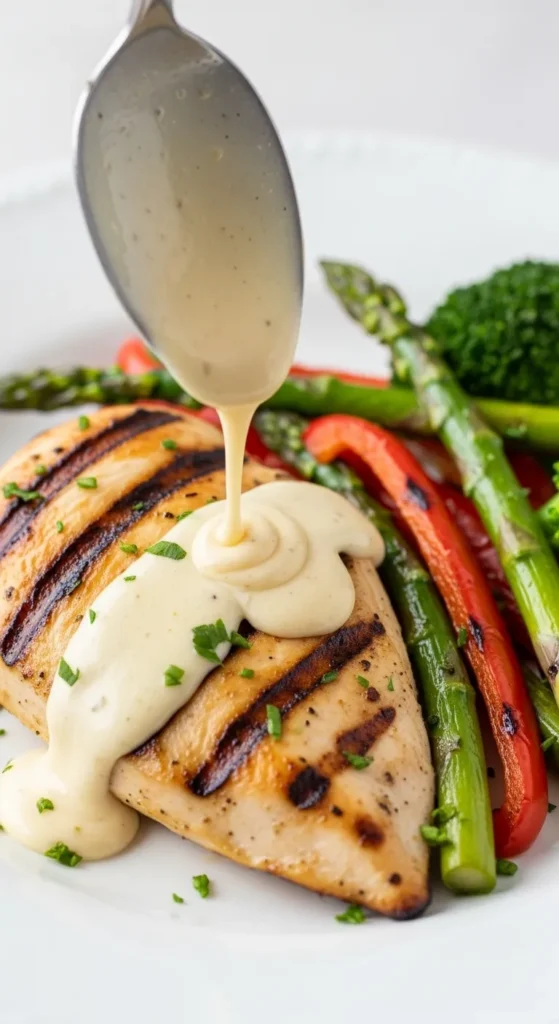
Sauces are a game-changer for low-carb cooking. They turn simple ingredients into comfort food.
Low-carb sauce ideas:
- Creamy yogurt-based sauces with herbs
- Butter-based pan sauces
- Cheese sauces made with real ingredients
- Blended vegetable sauces (like cauliflower or roasted pepper)
A drizzle of sauce can make a plate feel restaurant-worthy and deeply filling.
Eat Enough (Yes, Really)
One of the biggest mistakes people make is simply not eating enough food.
Signs your low-carb meals are too small:
- You’re hungry within an hour
- You crave random snacks
- You feel low on energy
Instead of cutting portions, adjust what you’re eating:
- More protein
- More vegetables
- Enough fat for satisfaction
Low-carb works best when meals feel abundant, not tiny.
Plan Simple, Repeatable Meals
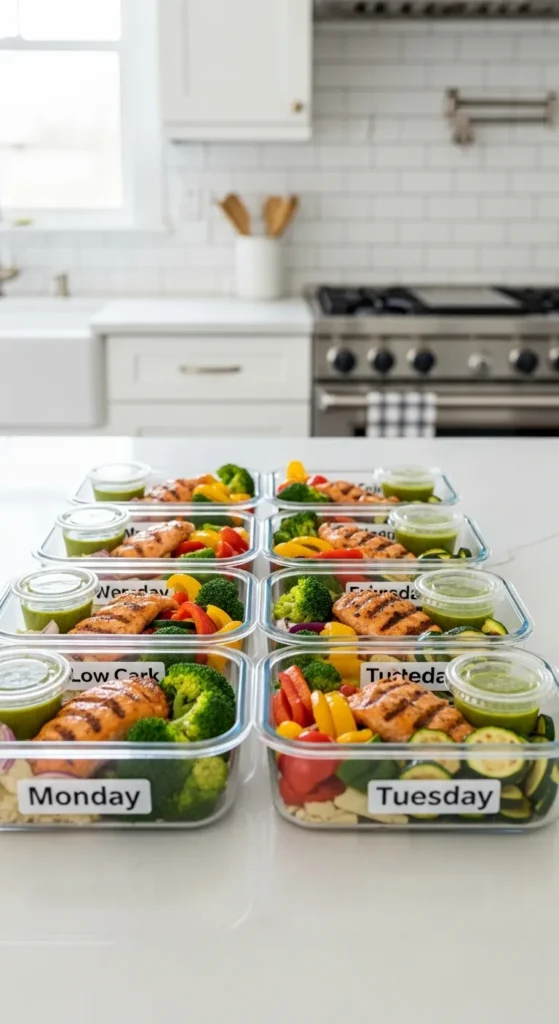
Decision fatigue can lead to poor choices or undereating. Having a few reliable low-carb meals makes consistency easier.
Create a short rotation:
- Protein + roasted vegetables + sauce
- Egg-based meals with veggies and cheese
- One-pan skillet dinners
- Big salads with protein and creamy dressing
When meals are easy, hunger stays manageable.
Final Takeaway
Low-carb meals don’t have to leave you counting minutes until your next snack. When you focus on protein, embrace healthy fats, load up on vegetables, and cook with flavor and texture in mind, hunger naturally fades.
The goal isn’t to eat less — it’s to eat better.
Save this guide for later and come back whenever low-carb meals start feeling unsatisfying.

Leave a Reply