

Eating low fat doesn’t have to mean eating boring. If you’ve ever stared at a “healthy” plate thinking it looked sad or flavorless, you’re not alone. The good news? With the right techniques, ingredients, and mindset, low fat cooking can be just as satisfying as your favorite comfort meals.
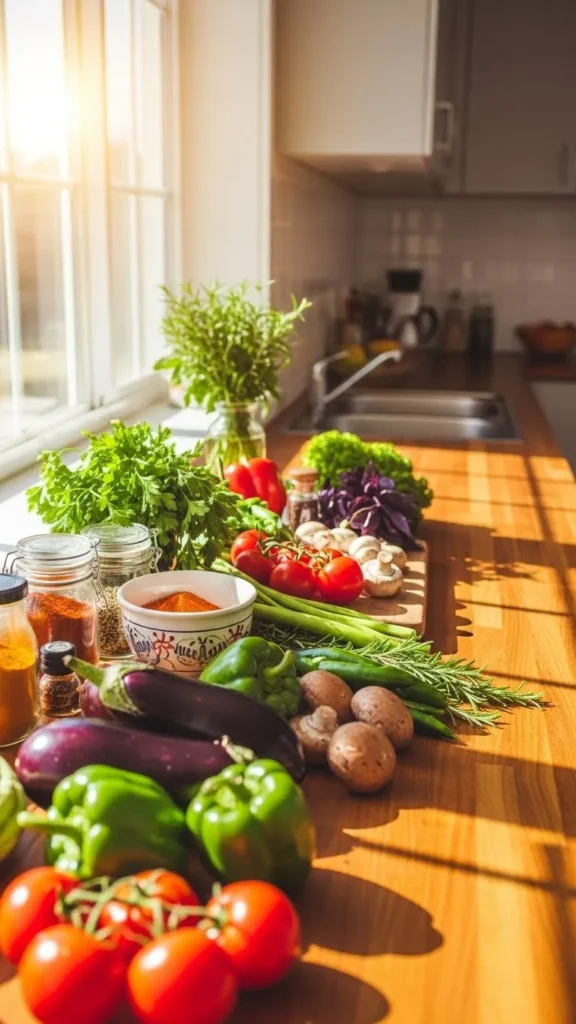
Let’s break down exactly how to cook low fat recipes that still taste amazing—without feeling like you’re missing out.
Understand Where Flavor Really Comes From
Many people assume fat equals flavor. While fat does carry taste, it’s not the only source of deliciousness. Flavor actually comes from layers working together.
Focus on:
- Aromatics like onions, garlic, ginger, and herbs
- Acidity from citrus juice or vinegar
- Natural sweetness from roasted vegetables
- Texture that makes food feel satisfying
When you build these elements intentionally, you don’t need heavy fats to make food enjoyable.
Choose Cooking Methods That Boost Taste Naturally
How you cook matters just as much as what you cook. Certain techniques naturally enhance flavor without relying on extra fat.
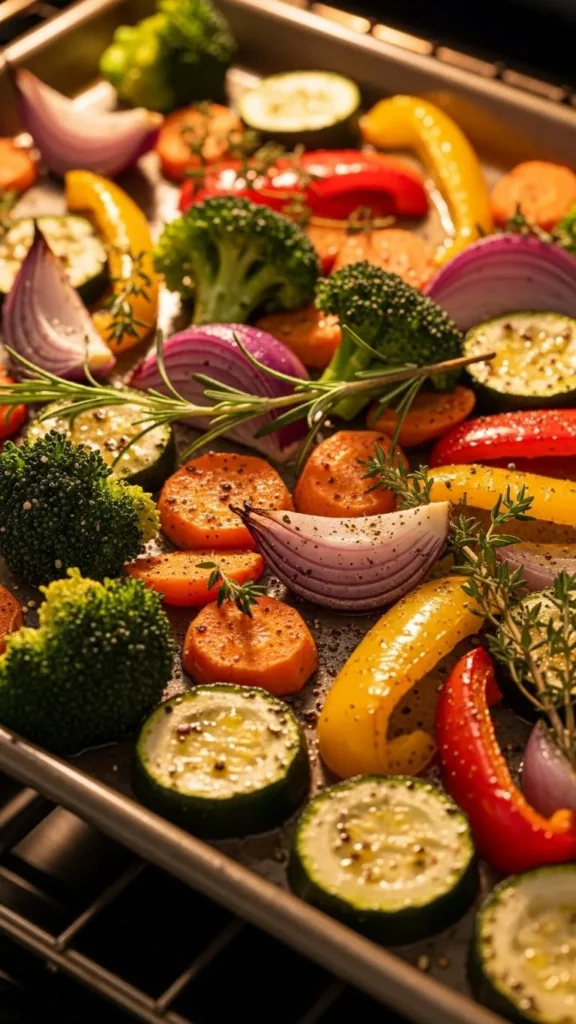
Try these methods:
- Roasting: Brings out deep, slightly sweet flavors in vegetables
- Grilling or broiling: Adds a smoky, charred taste
- Sautéing with broth: Use vegetable or chicken broth instead of oil
- Steaming + finishing: Steam first, then finish with herbs and spices
A quick tip: when roasting, spread ingredients out. Crowding causes steaming instead of caramelizing.
Use Herbs, Spices, and Seasonings Like a Pro
Seasoning is your best friend when cooking low fat. A well-seasoned dish never feels flat.
Stock your kitchen with:
- Dried spices (paprika, cumin, chili flakes, garlic powder)
- Fresh herbs (parsley, cilantro, basil, thyme)
- Citrus zest for instant brightness
- Vinegars for depth and balance
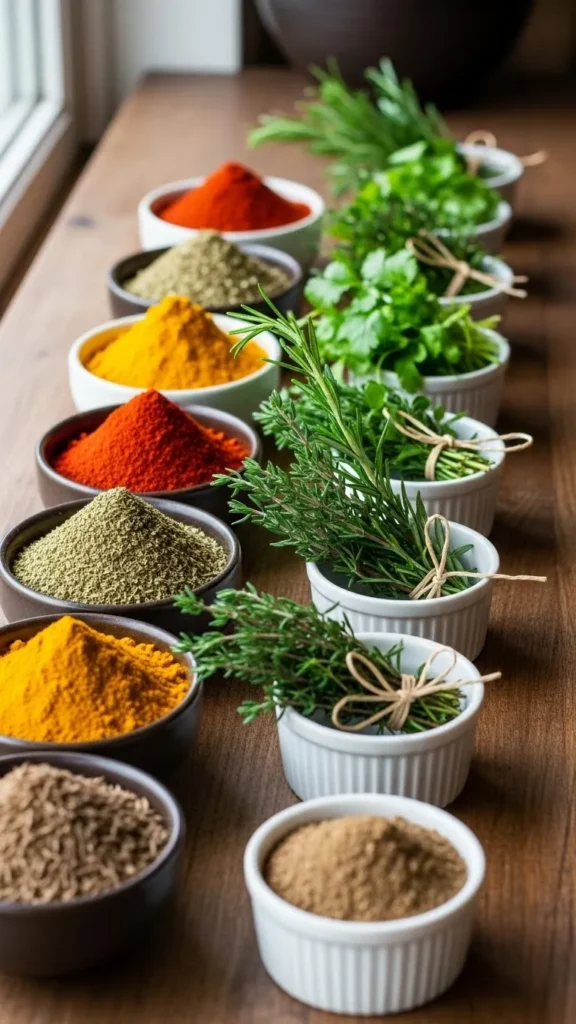
Season in layers:
- Add a little at the beginning
- Taste halfway through
- Adjust at the end
This builds complexity instead of relying on one heavy flavor source.
Swap Smart Ingredients Without Losing Satisfaction
Low fat cooking doesn’t mean removing ingredients—it means choosing better ones.
Try these swaps:
- Use Greek-style yogurt instead of cream in sauces
- Choose lean proteins like chicken breast, fish, beans, or lentils
- Replace heavy spreads with mashed avocado or pureed vegetables
- Use nonstick cookware to reduce added oils
The goal isn’t to remove richness—it’s to recreate it in smarter ways.
Build Creamy Texture Without Heavy Fats
Creaminess is often what people miss most. Luckily, there are easy tricks to get it back.
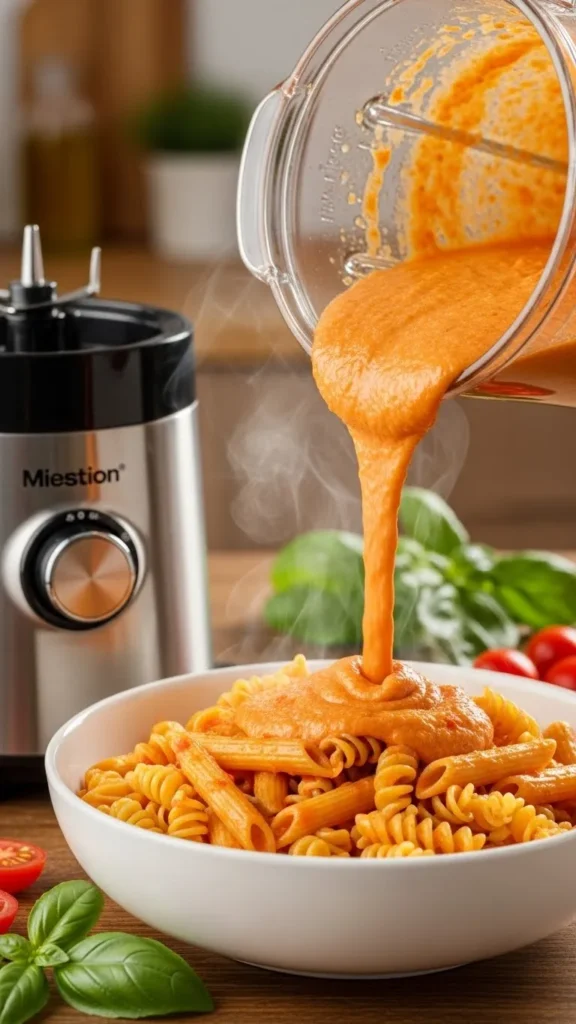
Options that work beautifully:
- Blended cauliflower or potatoes for soups
- Pureed beans for thick sauces
- Yogurt-based dressings with lemon and herbs
- Slow-simmered vegetables blended until smooth
These add body and comfort while keeping meals lighter.
Don’t Forget Texture and Crunch
A meal can taste great but still feel unsatisfying if it’s all soft. Texture makes food exciting.
Add contrast with:
- Toasted nuts or seeds (used sparingly)
- Crunchy raw vegetables
- Crispy roasted chickpeas
- Lightly toasted whole-grain crumbs
A little crunch goes a long way in making low fat meals feel complete.
Taste as You Go and Adjust
One of the biggest mistakes in low fat cooking is waiting until the end to taste. Without extra fats, seasoning becomes even more important.
Remember to:
- Taste at each stage
- Adjust salt, acidity, and spice gradually
- Add a squeeze of citrus right before serving
That final adjustment often makes the difference between “good” and “wow.”
Make Low Fat Cooking a Habit, Not a Rule
The secret to enjoying low fat recipes long-term is flexibility. Focus on balance, not perfection.
Think of low fat cooking as:
- A way to highlight real ingredients
- A chance to explore new flavors
- A skill that improves with practice
When meals are satisfying, sticking with healthier habits feels effortless.
Final Takeaway
Low fat recipes don’t have to taste bland or feel restrictive. With smart techniques, bold seasonings, and thoughtful textures, you can create meals that are both nourishing and crave-worthy.
Save this guide for later and come back whenever you need inspiration to keep your cooking light, flavorful, and enjoyable!
Leave a Reply