

Eating a high protein diet sounds simple—until you’re staring at yet another plain meal wondering how anyone sticks with this long-term. The good news? Protein-focused eating does not have to feel repetitive or restrictive. With the right strategies, it can be flavorful, flexible, and genuinely enjoyable.
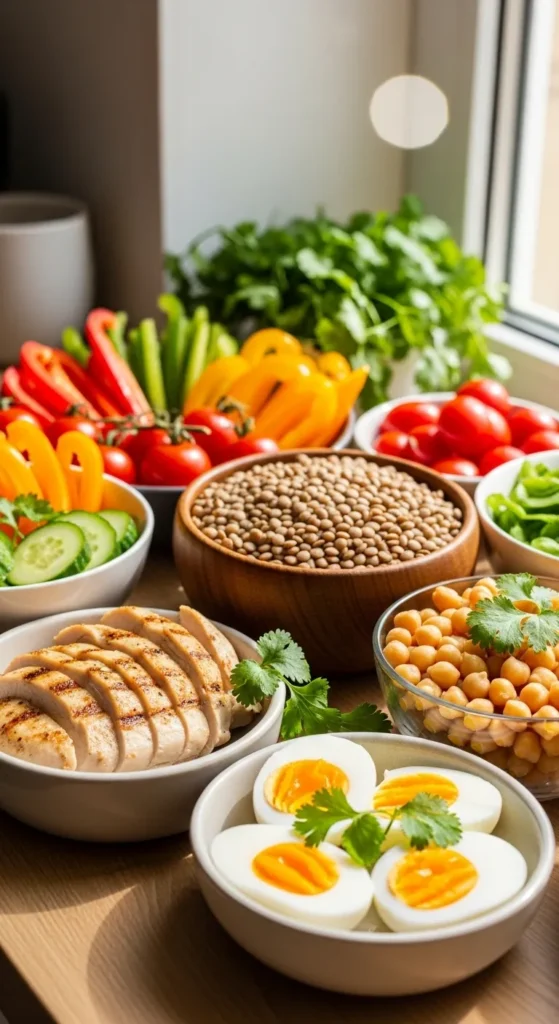
Whether your goal is staying full longer, supporting fitness goals, or just building better eating habits, this guide will show you how to keep your high protein meals exciting day after day.
Think Beyond the Same Protein Every Day
One of the fastest paths to boredom is repeating the same main ingredient. Variety is your best friend.
Rotate your protein sources throughout the week:
- Poultry, fish, and eggs
- Lentils, beans, and chickpeas
- Greek-style yogurt, cottage-style cheese, and plant-based alternatives
- Tofu, tempeh, and other soy-based options
Instead of planning meals by protein alone, try planning by texture or cooking style. One night could be crispy, another creamy, another slow-cooked and comforting.
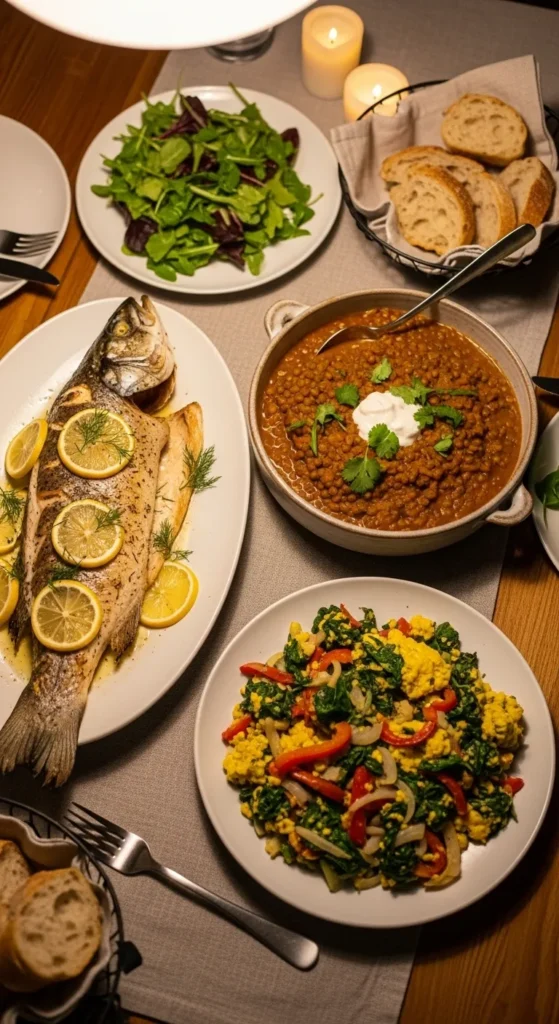
Use Seasonings, Sauces, and Marinades Wisely
Protein itself is neutral—it’s what you add that makes it exciting. The key is learning a few flavor profiles you love and rotating them.
Try building meals around themes:
- Garlic, herbs, and citrus for fresh meals
- Spices like paprika, cumin, or chili flakes for warmth
- Creamy yogurt-based sauces with herbs
- Tomato-based simmer sauces for hearty dishes
Even a simple grilled protein can feel completely new with a different marinade or finishing sauce.

Change the Way You Cook It
Eating the same protein doesn’t feel repetitive if it’s cooked differently each time.
Experiment with:
- Grilling vs. baking
- Pan-searing vs. slow simmering
- Shredding cooked protein for wraps or bowls
- Chopping it finely for patties or fillings
For example, a batch of cooked chicken can become:
- A protein bowl one day
- A warm wrap filling the next
- A hearty soup addition later in the week
Small changes in preparation can completely transform how a meal feels.
Build Protein Into Foods You Already Love
High protein eating doesn’t mean giving up comfort foods—it means upgrading them.
Look for ways to add protein naturally:
- Stir lentils or beans into soups and stews
- Add eggs or yogurt-based sauces to grain bowls
- Use cottage-style cheese blended into dips or spreads
- Pair protein with roasted vegetables and whole grains
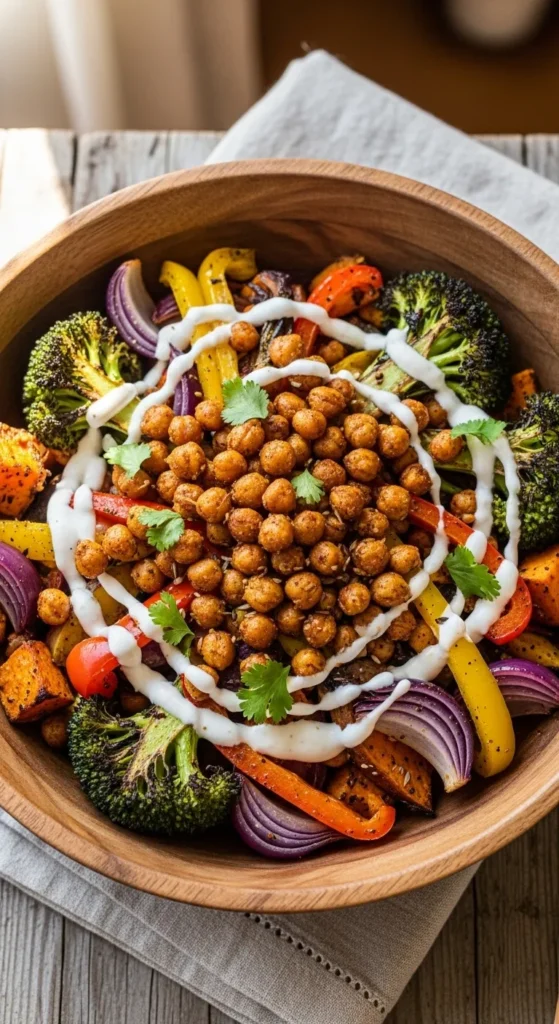
This approach keeps meals familiar while quietly increasing their protein content.
Don’t Forget Snacks and Mini-Meals
Boredom often sneaks in between meals. If snacks feel repetitive, the entire day feels dull.
Mix up your high protein snack options:
- Hard-boiled eggs with seasoning
- Yogurt with nuts and seeds
- Hummus with fresh vegetables
- Protein-packed smoothies with fruit
Think of snacks as “mini meals” with just as much care given to flavor and texture.
Use Bowls, Wraps, and Plates Creatively
Sometimes boredom has nothing to do with taste—it’s visual.
Serving the same ingredients in different formats can make meals feel brand new:
- Grain bowls
- Lettuce wraps
- Flatbread-style meals
- Layered plates instead of mixed bowls
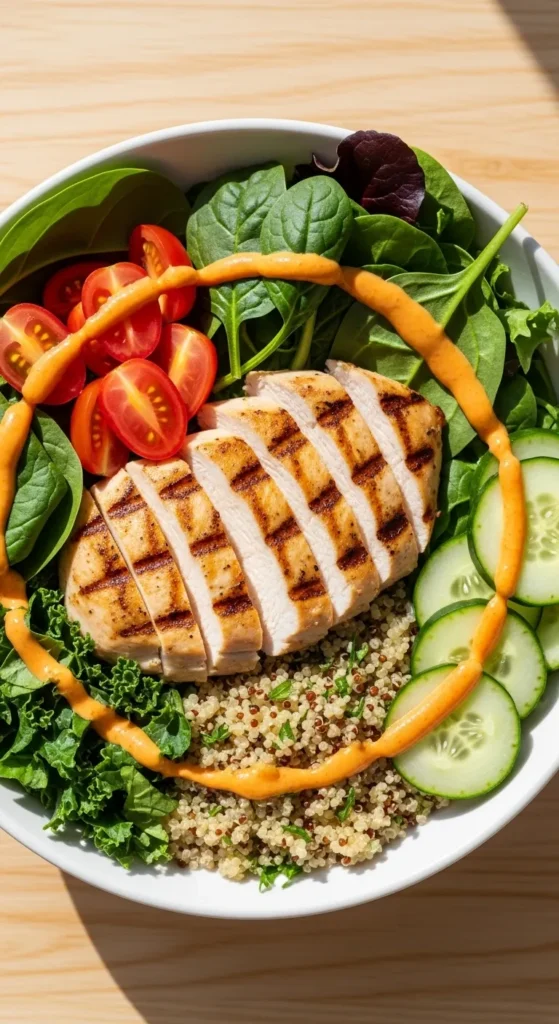
Eating with your eyes first makes a big difference in long-term consistency.
Plan for Flexibility, Not Perfection
The most enjoyable high protein diet is one you can adapt. Leave room for creativity, substitutions, and occasional shortcuts.
Helpful habits include:
- Batch-cooking plain proteins you can flavor later
- Keeping a short list of go-to sauces and spices
- Trying one new recipe or ingredient each week
When food feels flexible, boredom fades naturally.
Final Takeaway
A high protein diet doesn’t have to feel repetitive or dull. With variety, smart flavor choices, and a little creativity, it can be one of the most satisfying ways to eat.
Focus on mixing ingredients, changing cooking methods, and keeping meals visually appealing—and you’ll stay excited about what’s on your plate.
Save this guide for later and come back whenever your meals need a little inspiration

Leave a Reply