

Switching to a vegetarian diet for weight loss doesn’t mean tiny portions or bland meals. When done right, it’s colorful, filling, and surprisingly satisfying. The secret is choosing the right foods, balancing your plate, and building habits that make healthy eating feel natural—not forced.
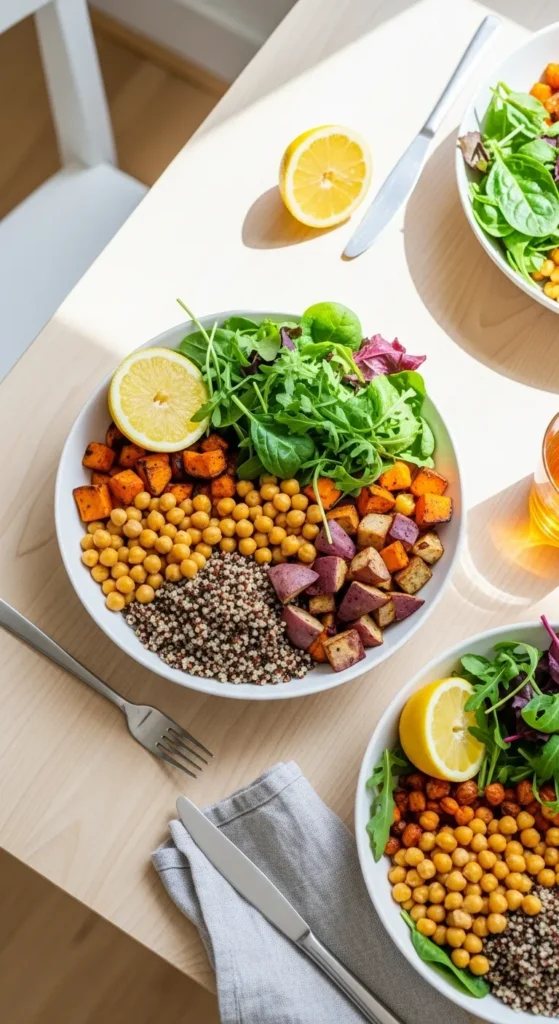
Below is a simple, realistic guide to eating vegetarian diet food in a way that supports steady, healthy weight loss.
Focus on Whole, Plant-Based Foods First
Weight loss becomes easier when most of your meals come from foods that are naturally low in calories but high in volume and nutrients.
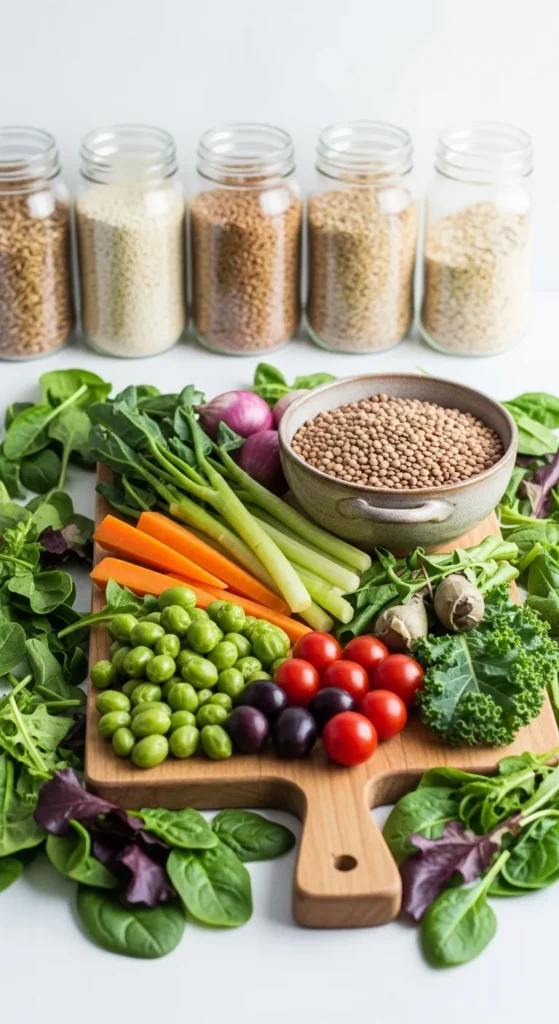
Base your meals around:
- Fresh vegetables (leafy greens, peppers, zucchini, carrots)
- Fruits in moderate portions
- Whole grains like oats, brown rice, and quinoa
- Legumes such as lentils, beans, and chickpeas
- Nuts and seeds in small amounts
These foods keep you full longer because they contain fiber, which slows digestion and reduces cravings.
Tip:
Try filling half your plate with vegetables at lunch and dinner. This alone can lower calorie intake without feeling restrictive.
Build Every Meal Around Protein
One common mistake in vegetarian weight loss is not eating enough protein. Protein helps preserve muscle, boosts metabolism, and keeps hunger in check.
Great vegetarian protein sources include:
- Lentils and split peas
- Chickpeas and beans
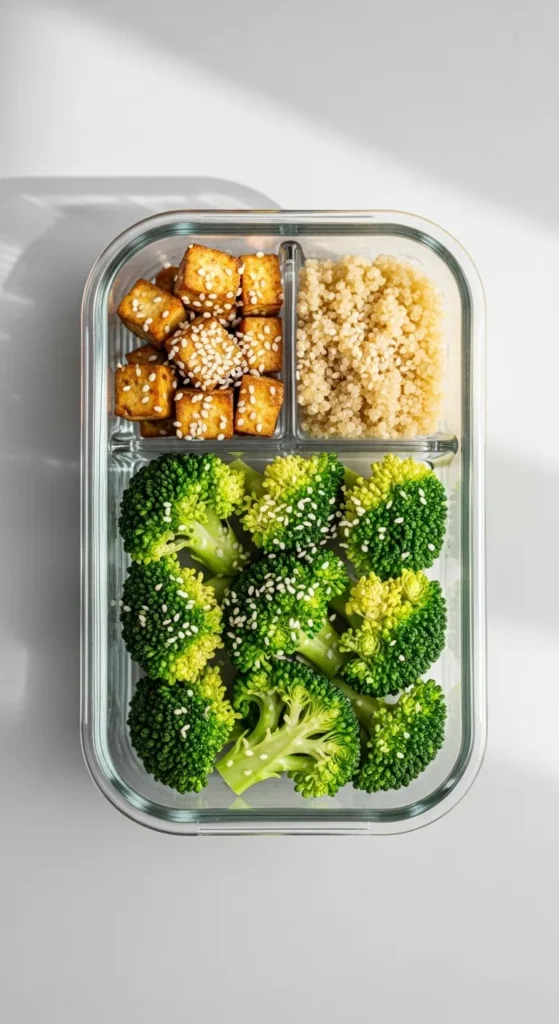
- Tofu and tempeh
- Greek-style yogurt or cottage cheese (if dairy fits your plan)
- Eggs
- Edamame
Instead of treating protein as a side dish, make it the anchor of your meal.
Simple rule:
Aim for a clear protein source at every meal and snack.
Watch Portions Without Counting Every Calorie
You don’t need to weigh food or track numbers obsessively. Visual portion control works well for vegetarian eating.
Use this easy plate method:
- ½ plate: vegetables
- ¼ plate: protein
- ¼ plate: whole grains or starchy vegetables
- Add a small amount of healthy fat (olive oil, seeds, or nuts)
This structure keeps meals balanced and prevents overeating, even with healthy foods.
Helpful portion cues:
- Grains: about the size of your fist
- Fats: about the size of your thumb
- Nuts/seeds: a small handful
Cook Smarter, Not Heavier
Vegetarian food can become calorie-heavy if it’s cooked with too much oil or creamy sauces. Cooking methods matter.
Better options for weight loss:
- Roasting with light oil spray
- Steaming or sautéing with broth
- Grilling vegetables or tofu
- Using spices, herbs, citrus, and garlic for flavor
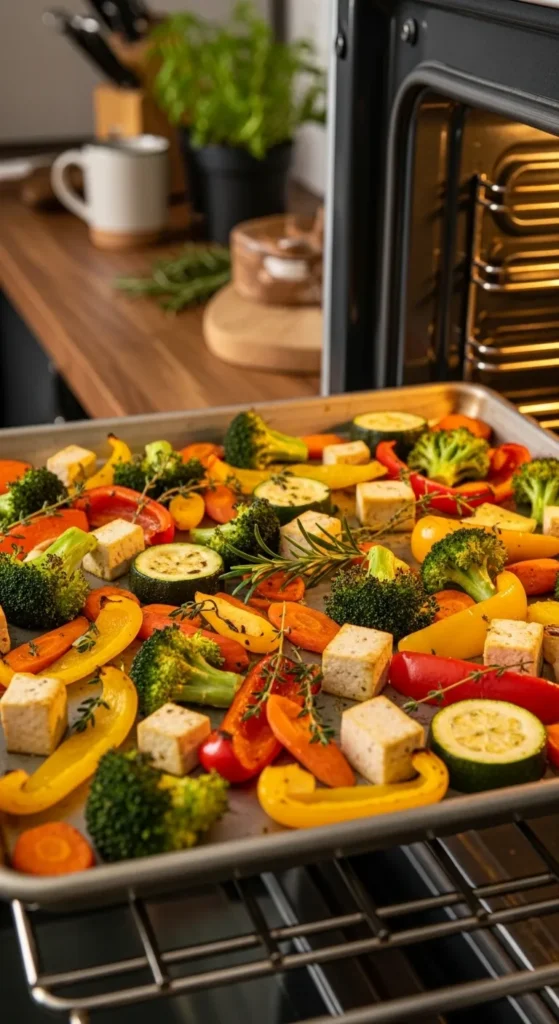
Flavor doesn’t have to come from heavy additions. Seasoning well makes simple food crave-worthy.
Plan Simple, Repeatable Meals
Consistency beats variety when weight loss is the goal. Having a few go-to meals saves decision fatigue and prevents last-minute choices.
Easy vegetarian meal ideas:
- Lentil soup with side salad
- Vegetable stir-fry with tofu and brown rice
- Chickpea salad with cucumbers and lemon dressing
- Egg and vegetable scramble
- Yogurt bowl with fruit and seeds
You can rotate vegetables and spices to keep things interesting without changing the structure.
Snack With Intention
Snacking isn’t the enemy—mindless snacking is. Choose snacks that combine fiber and protein.
Better vegetarian snack ideas:
- Apple slices with nut butter
- Yogurt with berries
- Roasted chickpeas
- Cottage cheese with cucumber
- A small handful of mixed nuts
Avoid grazing straight from packages. Plate your snack and enjoy it.
Stay Full With Fiber and Volume
Fiber is a powerful tool for weight loss. It helps control appetite and improves digestion.
High-fiber vegetarian foods:
- Beans and lentils
- Vegetables, especially leafy greens
- Berries
- Chia and flax seeds
- Whole grains
Drinking enough water also helps fiber do its job. Sometimes hunger is just thirst in disguise.
Be Patient and Eat Enough
Undereating can slow progress and increase cravings. Vegetarian weight loss works best when meals are satisfying, not skimpy.
Signs you’re eating enough:
- You feel full after meals
- Cravings decrease over time
- Energy stays steady throughout the day
Weight loss doesn’t need extremes. Small, repeatable habits add up.
Final Takeaway
A vegetarian diet for weight loss works when meals are balanced, filling, and built around whole foods. Focus on protein, load up on vegetables, cook smart, and keep things simple. You don’t need perfection—just consistency.
Save this guide for later and start building vegetarian meals that actually support your goals.

Leave a Reply