

Ever finished a “healthy” meal only to feel hungry again 20 minutes later? You’re not alone. Many diet meals fail not because they’re unhealthy—but because they’re built wrong. The good news? Feeling satisfied and staying on track is completely possible with a few smart tweaks.
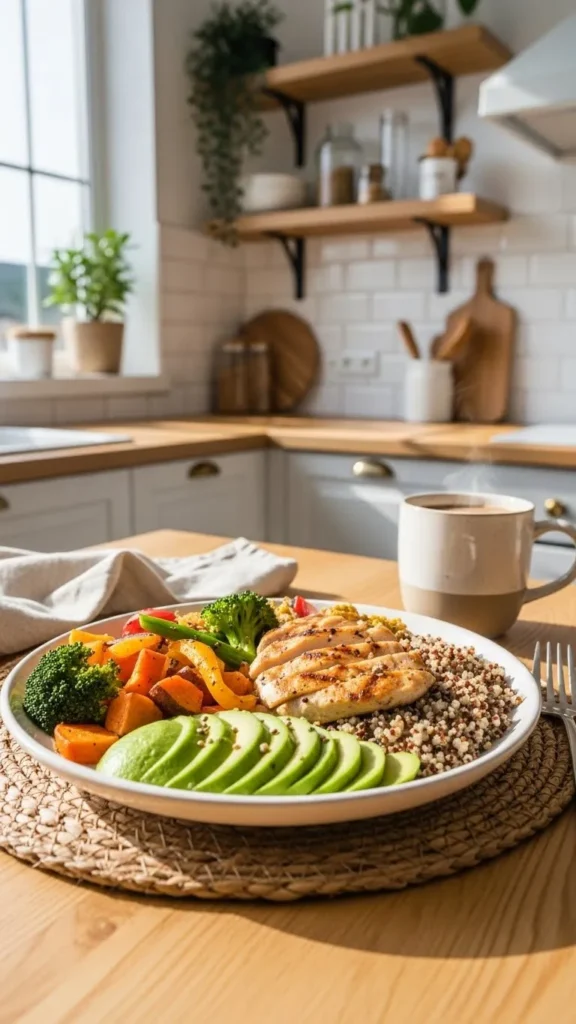
This guide breaks down exactly how to make diet meals that keep you full, energized, and happy—without complicated rules or extreme restrictions.
Understand What Actually Keeps You Full
Before cooking anything, it helps to know why some meals satisfy you longer than others.
The most filling meals usually include:
- Protein to slow digestion
- Fiber to add bulk
- Healthy fats to increase satisfaction
- Volume foods that let you eat more for fewer calories
When one of these is missing, hunger sneaks back fast.
Think of fullness like a team effort—no single ingredient does all the work.
Start With Protein at Every Meal
Protein is the backbone of filling diet meals. It helps stabilize energy levels and reduces cravings later in the day.
Good protein options include:
- Eggs
- Greek-style yogurt
- Lentils and chickpeas
- Chicken, fish, or turkey
- Cottage cheese
- Tofu or tempeh
Aim to include protein in every meal, even breakfast and snacks.
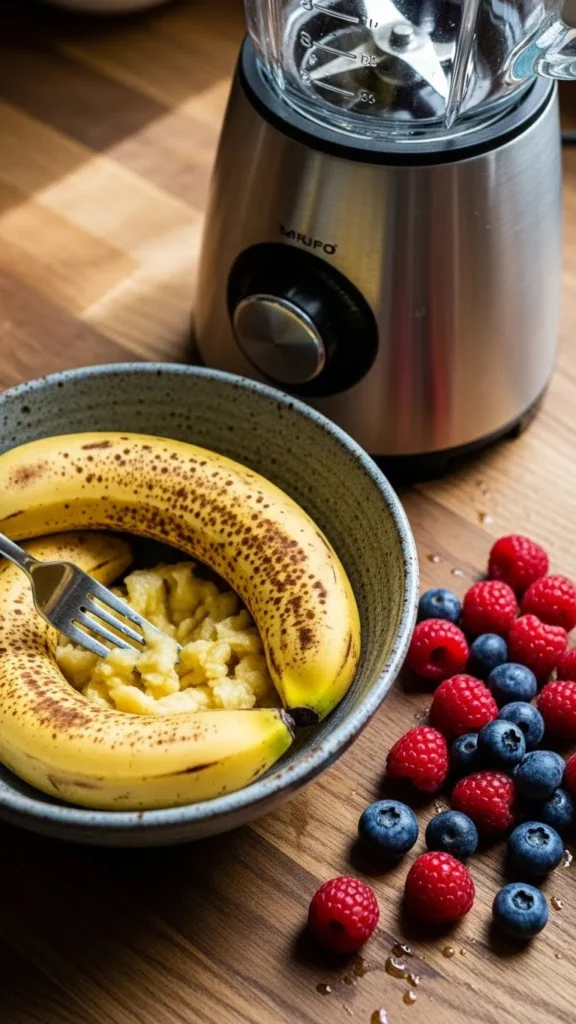
Easy tip:
Build your plate by placing protein first, then adding everything else around it.
Bulk Up Meals With High-Fiber Foods
Fiber adds volume to your meals without adding many calories—and it slows digestion so you feel full longer.
High-fiber foods to lean on:
- Leafy greens
- Beans and lentils
- Oats
- Sweet potatoes
- Berries
- Whole grains
Instead of shrinking your portions, expand them with fiber-rich ingredients.
Examples:
- Add spinach to eggs or wraps
- Mix beans into salads or soups
- Swap refined grains for whole grains
Don’t Fear Healthy Fats
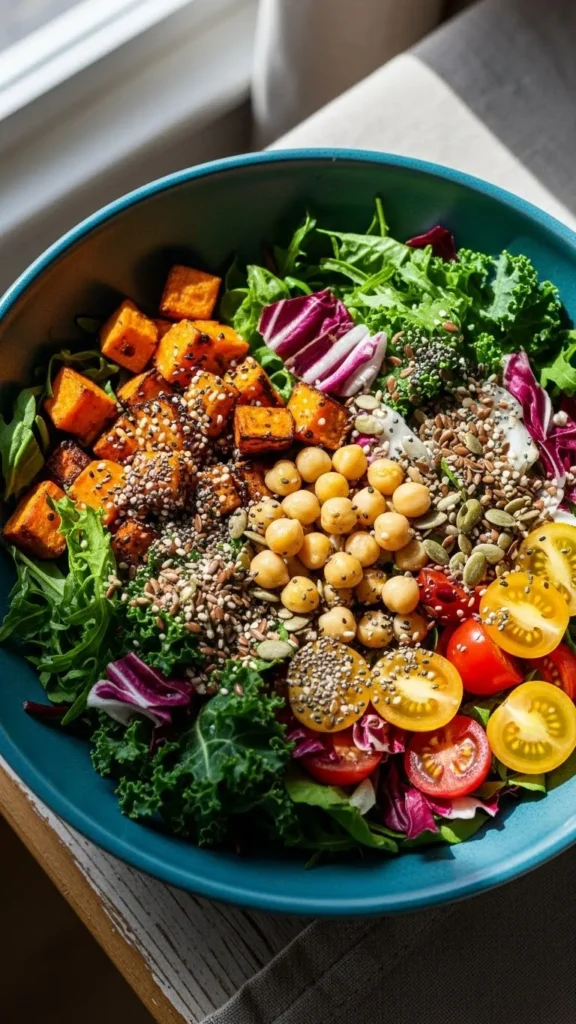
Cutting all fat is a common mistake that leads to unsatisfying meals. Healthy fats help meals feel rich and satisfying, even in small amounts.
Smart fat choices:
- Avocado
- Olive oil
- Nuts and seeds
- Nut butters
You don’t need much—just enough to enhance flavor and fullness.
Try this:
- Drizzle olive oil over roasted vegetables
- Add avocado slices to bowls
- Sprinkle seeds on salads or yogurt
Meals feel more complete when fat is included intentionally.
Build Meals With Volume, Not Just Calories
Volume eating is a game-changer. It means choosing foods that take up more space on your plate and in your stomach.
Low-calorie, high-volume foods include:
- Zucchini
- Cauliflower
- Mushrooms
- Cabbage
- Broth-based soups
You can eat a generous portion and still stay within your goals.
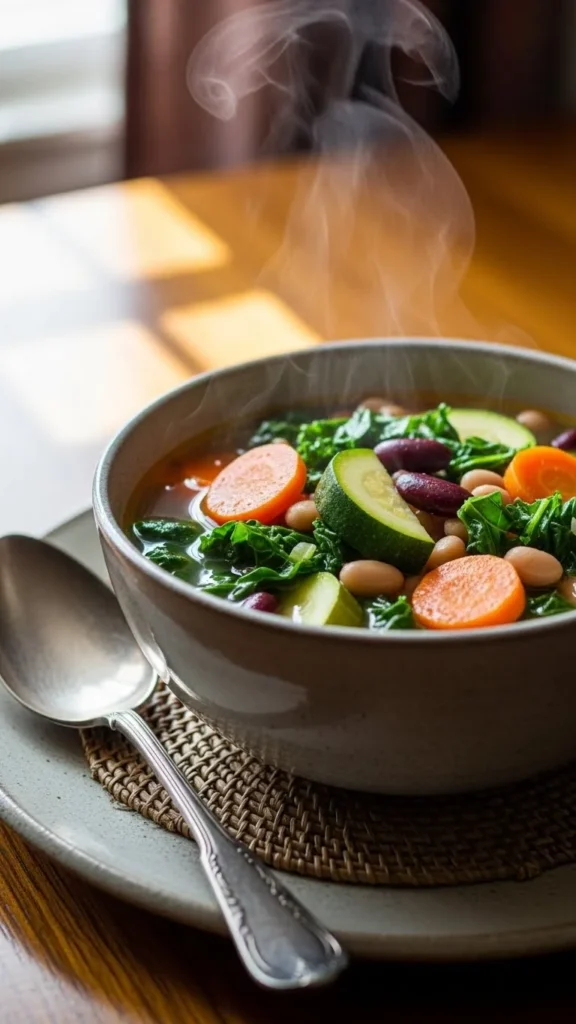
Pro tip:
Start meals with a salad or soup—it naturally reduces overeating later.
Balance Your Plate Every Time
Instead of counting everything, use a simple plate formula:
- ½ plate vegetables
- ¼ plate protein
- ¼ plate whole grains or starchy vegetables
- Add a small amount of healthy fat
This approach works for lunches, dinners, and even breakfast bowls.
It removes guesswork and keeps meals satisfying without strict tracking.
Slow Down and Eat With Intention
Fullness isn’t just about food—it’s also about how you eat.
Try to:
- Sit down for meals
- Chew slowly
- Avoid scrolling while eating
- Pause halfway through to check hunger
Your body needs time to register fullness. Rushing meals often leads to overeating later.
Plan Snacks That Actually Satisfy
If snacks leave you hungrier than before, they’re missing balance.
Filling snack combos:
- Yogurt with berries and seeds
- Apple slices with nut butter
- Cottage cheese with fruit
- Hummus with vegetables
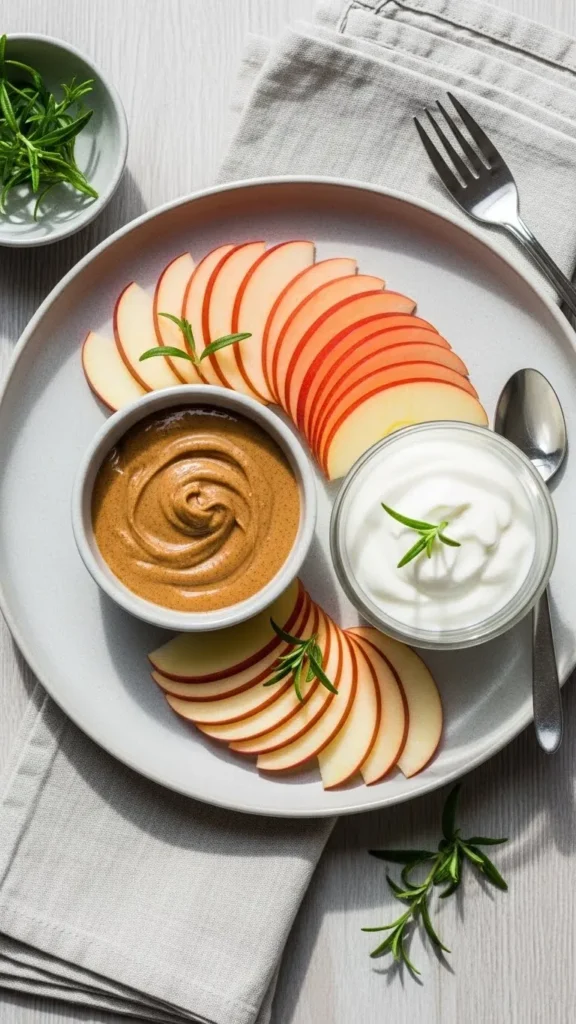
Pair protein + fiber to avoid the snack-and-crash cycle.
Final Takeaway
Diet meals don’t have to feel small, boring, or unsatisfying. When you focus on protein, fiber, healthy fats, and volume, your meals naturally keep you full longer—and make healthy eating feel easier.
Start with one change at your next meal and build from there.
Save this guide for later and come back whenever your meals need a little more staying power.
Leave a Reply