

Pasta gets a bad reputation when you’re trying to eat lighter. People assume it’s all heavy sauces, oversized portions, and instant regret. But here’s the truth: pasta can absolutely fit into a balanced, feel-good diet when you make a few smart swaps and cook it with intention.
You don’t need to give up your favorite comfort food. You just need a better approach.
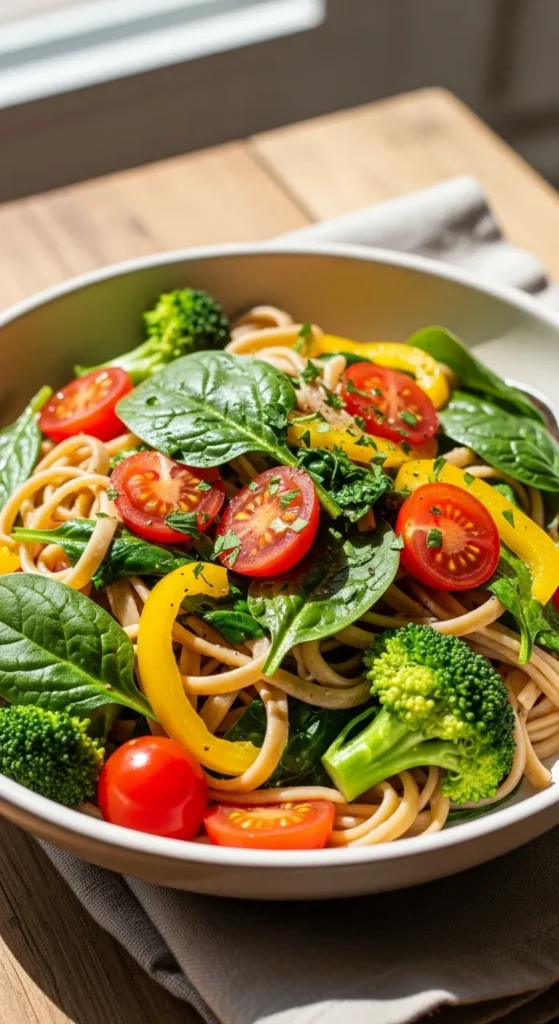
This guide walks you through simple, realistic ways to make diet pasta that feels satisfying—not restrictive.
Choose the Right Pasta Base
The first step to guilt-free pasta starts before you even boil water. Not all pasta is created equal, and small changes here make a big difference.
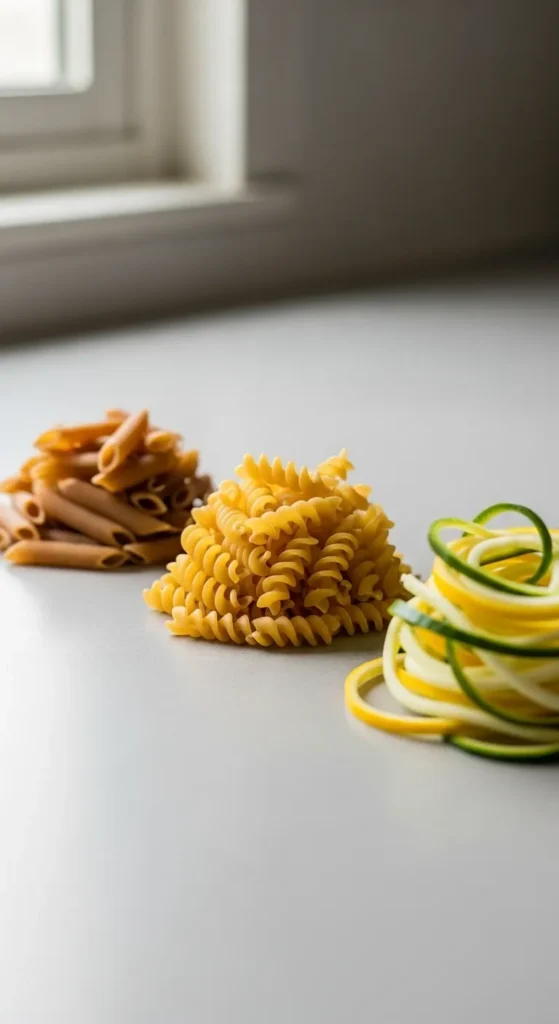
Better pasta options include:
- Whole wheat pasta for more fiber and longer fullness
- Chickpea or lentil pasta for extra protein
- Vegetable-based pasta made from zucchini, hearts of palm, or squash
- High-protein pasta blends that keep portions satisfying
You don’t have to cut pasta out. You just want a version that works with your goals instead of against them.
Tip:
If you’re new to alternative pasta, mix half regular pasta with half high-fiber pasta. The texture stays familiar, but the nutrition improves instantly.
Watch Portions Without Feeling Deprived
Portion size is where most pasta guilt comes from—not the pasta itself.
A realistic serving of dry pasta is:
- About one small fist or
- Roughly 1 cup cooked
That may sound small, but here’s the trick: you bulk up the bowl with vegetables, protein, and sauce that adds flavor without heavy calories.
Helpful portion tips:
- Use a smaller bowl to make servings feel larger
- Fill half the bowl with vegetables before adding pasta
- Slow down while eating—pasta is filling when you give it time
Diet pasta isn’t about tiny meals. It’s about building a bowl that feels generous without being heavy.
Build Flavor With Light, Smart Sauces
Heavy cream-based sauces are where pasta often goes off track. The good news? You can get just as much flavor without them.
Light sauce ideas:
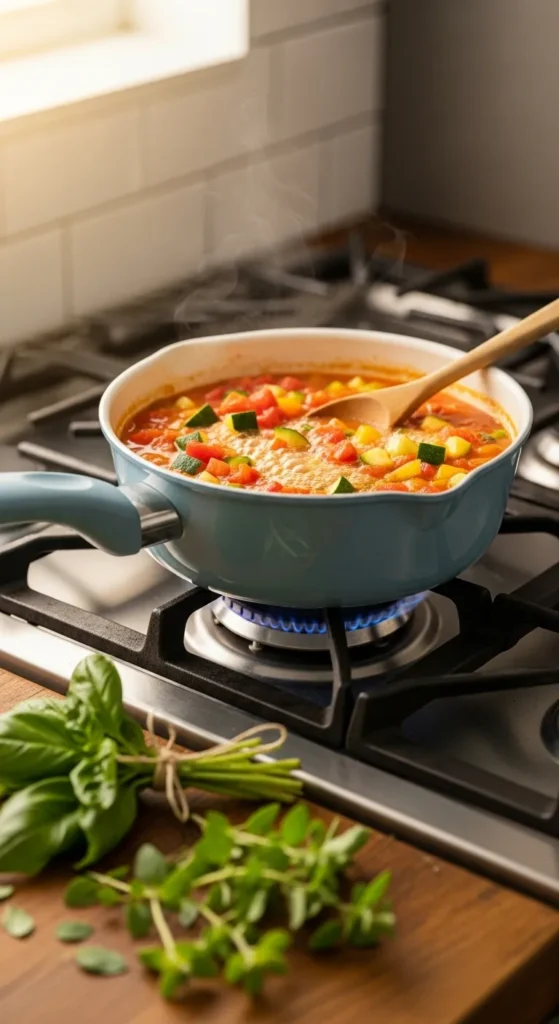
- Tomato-based sauces with garlic and herbs
- Blended vegetable sauces made from roasted peppers or zucchini
- Greek yogurt-based sauces for creamy texture without heaviness
- Olive oil + garlic + herbs for a simple, satisfying finish
Focus on seasoning instead of richness. Fresh herbs, citrus zest, and spices can completely change a dish.
Load Up on Vegetables for Volume
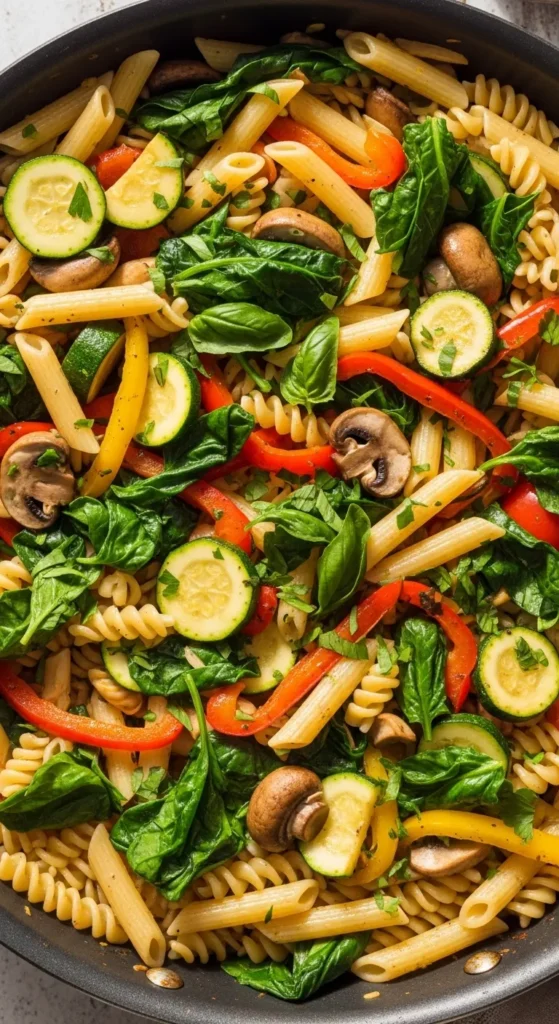
Vegetables are the secret weapon of guilt-free pasta. They add color, texture, and volume—so your bowl looks and feels abundant.
Great vegetables for pasta:
- Spinach or arugula
- Zucchini or summer squash
- Bell peppers and onions
- Mushrooms
- Cherry tomatoes
- Broccoli or asparagus
Roast, sauté, or lightly steam them before adding to your pasta. This keeps flavors bold and textures satisfying.
Pro tip:
Aim for more vegetables than pasta in your bowl. You’ll still get the pasta comfort, just with better balance.
Add Lean Protein to Stay Full Longer
One reason diet pasta sometimes feels unsatisfying is missing protein. Adding the right protein helps prevent cravings later.
Good protein additions include:
- Grilled or shredded chicken
- Shrimp or fish
- Eggs (soft scrambled or poached)
- Tofu or tempeh
- Beans or lentils
Protein turns pasta from a snack into a real meal. It also helps control portions naturally because you feel full sooner.
You don’t need a lot. Even a small portion mixed throughout the dish makes a big difference.
Finish With Texture, Not Heavy Extras
The final step is what makes diet pasta feel special—not boring.
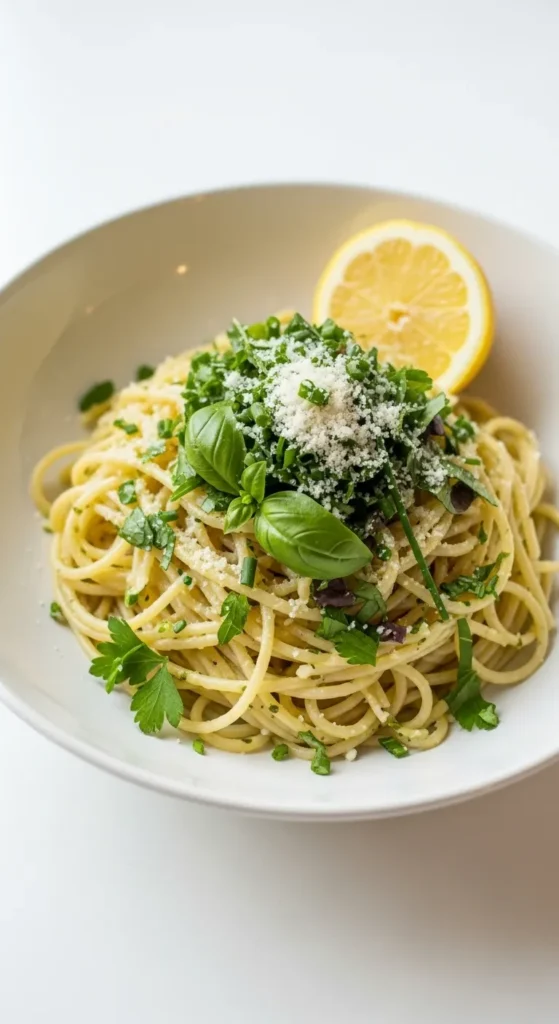
Instead of heavy toppings, try:
- Fresh herbs for brightness
- A small sprinkle of grated cheese
- Toasted seeds or nuts for crunch
- Lemon juice or zest for freshness
These finishing touches add satisfaction without overwhelming the dish.
Make Diet Pasta Part of Your Routine
The biggest mindset shift is realizing that pasta doesn’t have to be a “cheat” meal. When you build it thoughtfully, it can be part of your weekly routine.
Remember:
- Choose better pasta bases
- Balance portions with vegetables
- Use light, flavorful sauces
- Add protein for staying power
Diet pasta isn’t about rules. It’s about feeling good after you eat.
If you’ve been avoiding pasta out of guilt, it might be time to invite it back—this time, with confidence.
Save this guide for later and start building pasta bowls you actually enjoy eating.
Leave a Reply