

Ever open your fridge, stare at your favorite comfort foods, and think, “I want to eat better… but I don’t want sad meals”? Good news: eating lighter doesn’t mean giving up flavor. Small swaps can make a big difference—and most of the time, you won’t even miss the original.
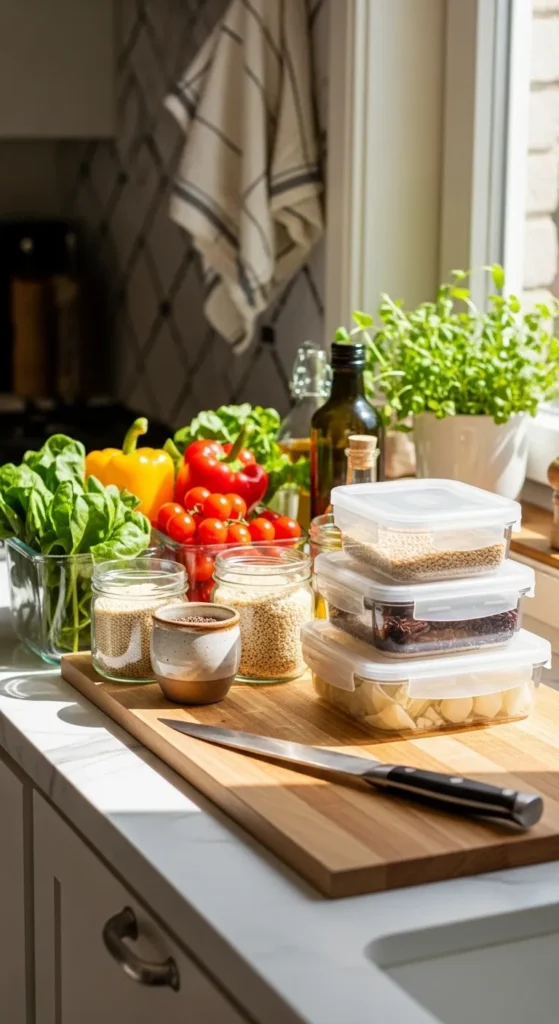
This guide is all about easy, realistic food swaps you can actually stick with. No extreme rules. No complicated cooking. Just smarter choices that feel good and taste good.
Why Simple Food Swaps Actually Work
Diets often fail because they ask for too much, too fast.
Food swaps work because they:
- Feel familiar
- Reduce calories without shrinking portions
- Keep meals satisfying
- Fit into real life
Instead of removing foods you love, you gently upgrade them.
Swap Refined Grains for Whole Options
White bread, white rice, and regular pasta are easy go-tos—but they digest quickly and leave you hungry again.
Try this instead:
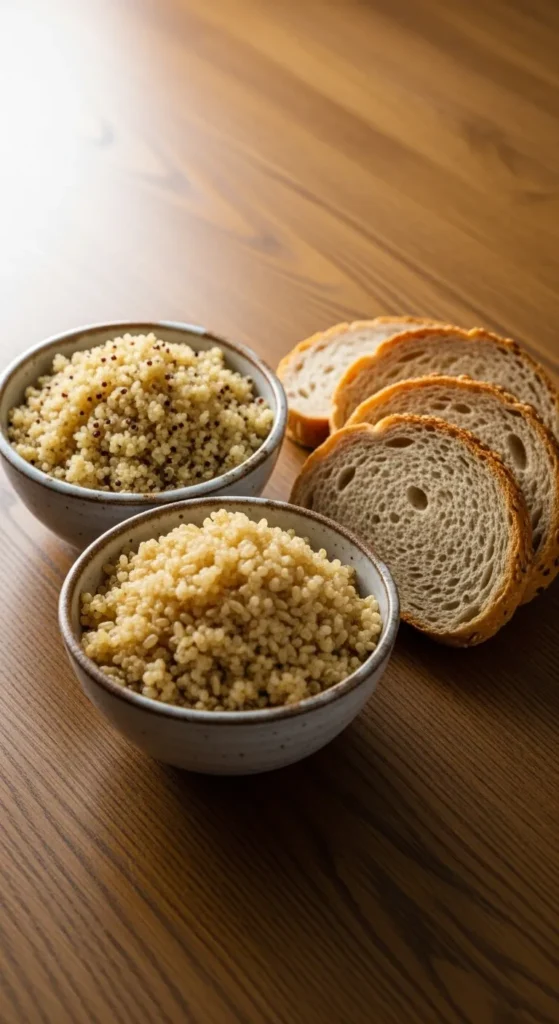
- White rice → brown rice or quinoa
- Regular pasta → whole wheat or lentil-based pasta
- White bread → whole-grain or seeded bread
These options:
- Keep you fuller longer
- Add fiber without changing your meals much
Tip:
Start with a 50/50 mix if the texture feels new. Half white rice, half brown rice still counts.
Upgrade Your Proteins Without Feeling Restricted
Protein helps with fullness and steady energy—but not all sources feel the same.
Lighter protein swaps:
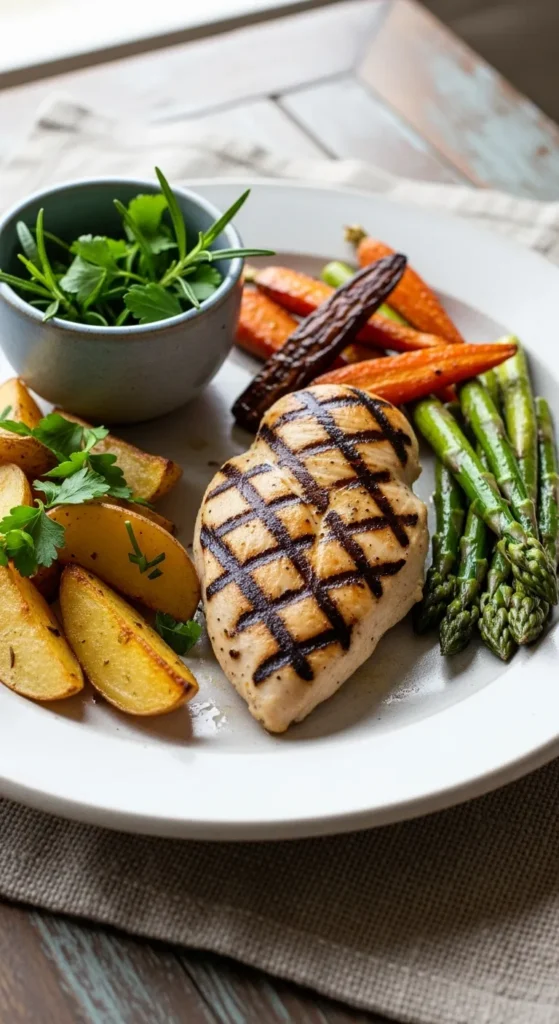
- Fried proteins → grilled, baked, or air-cooked versions
- High-fat cuts → lean cuts or plant-based proteins
- Heavy sauces → simple seasoning, herbs, or yogurt-based sauces
You’ll still get that hearty bite—just without the extra heaviness.
Quick win:
Season generously. Flavor matters more than cooking method when it comes to satisfaction.
Replace Heavy Snacks with Smart Crunch
Snacking doesn’t have to disappear. It just needs a small reset.
Easy snack swaps:
- Chips → roasted chickpeas or popcorn
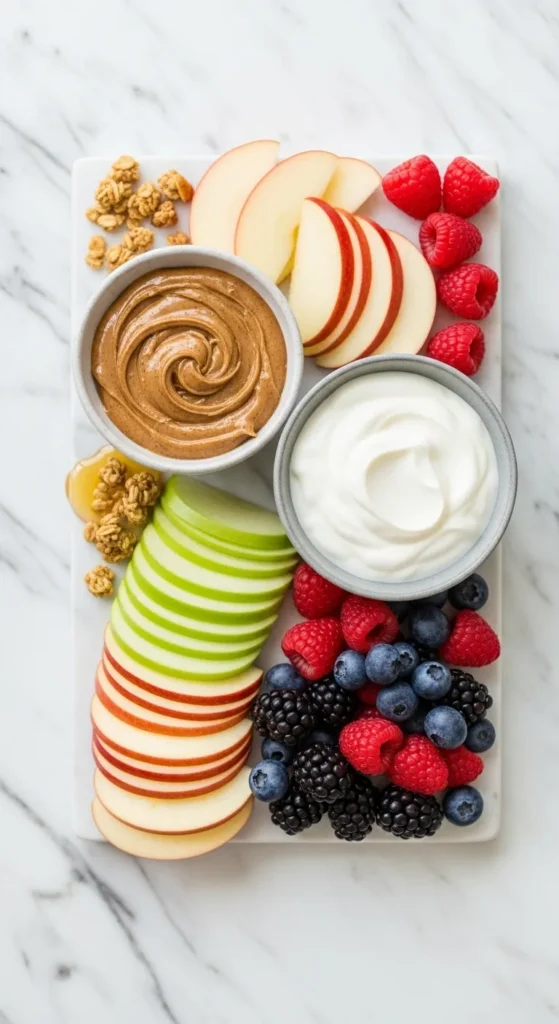
- Sweet pastries → fruit with nut butter
- Sugary bars → Greek-style yogurt with berries
These swaps:
- Control portions naturally
- Balance carbs, protein, and fats
Rule of thumb:
Pair carbs with protein or fiber to stay full longer.
Lighten Up Sauces and Spreads
Sauces are often the hidden reason meals feel heavier than expected.
Smarter swaps:
- Creamy dressings → olive oil + lemon
- Mayo-based spreads → mashed avocado or yogurt
- Thick store-bought sauces → homemade quick blends
You still get creaminess—just with better balance.

Shortcut:
Mix yogurt with garlic, salt, and herbs for an instant all-purpose sauce.
Choose Better Drinks Without Feeling Deprived
Drinks can quietly add more calories than meals.
Refreshing swaps:
- Sugary sodas → sparkling water with citrus
- Sweet bottled drinks → infused water
- Creamy coffee drinks → lighter homemade versions
These swaps hydrate you while keeping flavors interesting.
Flavor ideas:
Lemon, mint, cucumber, berries—simple and refreshing.
Make Desserts Feel Lighter (Not Boring)
You don’t need to give up dessert—just rethink it.
Try this:
- Large portions → smaller servings, better quality
- Heavy desserts → fruit-based treats
- Store-bought sweets → simple homemade versions
A few mindful bites often beat a full plate eaten on autopilot.
How to Start Without Overthinking
You don’t need to swap everything at once. Start small.
- Pick one meal a day
- Change one ingredient
- Stick with it for a week
Once it feels normal, move to the next swap.
Consistency beats perfection—every time.
Final Takeaway
Diet-friendly eating isn’t about restriction. It’s about smarter choices that still feel comforting, familiar, and enjoyable. When you swap instead of eliminate, healthy habits stick longer—and feel easier.
Save this guide for later, and try just one swap today. Small changes really do add up.

Leave a Reply